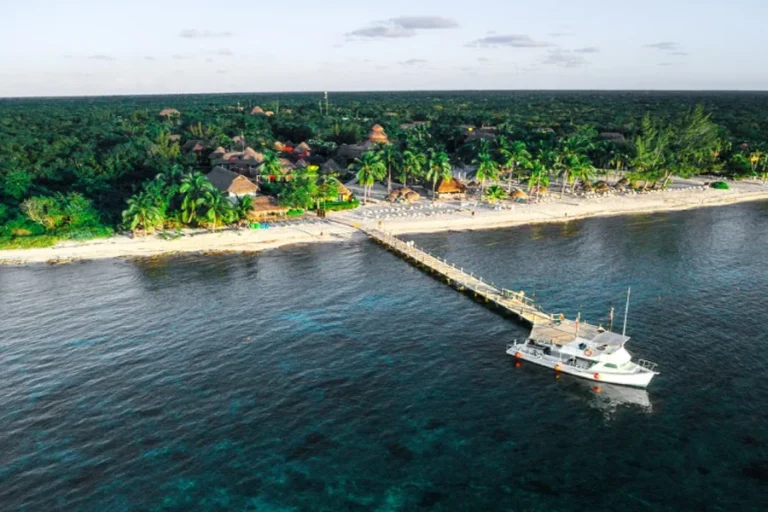
What Defines an Eco Park in Punta Cana
 Johnathan Parker |
May 17, 2026 |
8:00 pm
Johnathan Parker |
May 17, 2026 |
8:00 pm
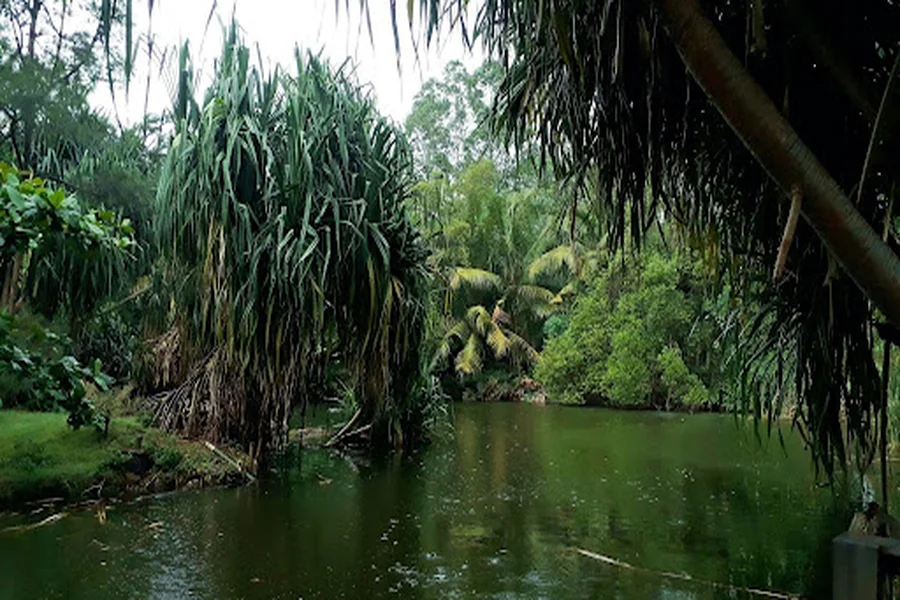
Sustainable tourism isn’t about giving up comfort or fun — it’s about traveling mindfully. When you’re researching an eco park in Punta Cana, you’re likely looking for more than marketing promises.
You want to know which environmental practices actually distinguish a conservation-focused park from a standard attraction that simply uses green language. Understanding these differences helps you make informed decisions that align with your values while experiencing the natural beauty of the Dominican Republic.
The region offers genuine opportunities to support educational experiences that allow you to learn about the local flora, fauna, and culture in a respectful way. Before booking, consider exploring options through eco park Punta Cana experiences that prioritize verifiable conservation efforts over superficial claims.
Observable Conservation Practices That Matter
Real environmental stewardship shows up in daily operations, not just promotional materials. Reforestation projects recover degraded areas and protect local biodiversity, while many hotels and resorts have begun using solar panels and other clean energy sources to reduce their carbon footprint.
When evaluating any nature-based attraction, look for visible infrastructure that demonstrates commitment: solar panels on buildings, clearly marked recycling stations throughout the property, and educational signage explaining native species protection.
Protecting marine and terrestrial ecosystems, managing waste responsibly, optimizing water and energy use, and supporting social, educational, and community initiatives form the foundation of authentic sustainable tourism operations. You can verify these practices by observing whether staff actively educate visitors about ecosystem protection, whether trails show signs of erosion control measures, and whether the facility maintains natural vegetation buffers around sensitive areas.
Water management systems reveal significant information about environmental priorities. Facilities committed to conservation standards typically implement greywater recycling, rainwater harvesting, and low-flow fixtures throughout their operations. Ask about water sources and treatment processes during your visit—transparent operations will readily share this information.
Native Flora Protection and Habitat Preservation
Punta Cana is home to several endemic and protected species, making it a crucial destination for conservation. The solenodon and hutia are endangered mammals that natural parks protect by providing safe environments. Genuine eco-friendly attractions maintain indigenous plant species rather than replacing them with ornamental alternatives that require excessive irrigation and chemical treatments.
Walk the trails and observe the vegetation. Protected areas prioritize:
- Native tree species that provide habitat for local wildlife
- Minimal landscaping intervention in natural zones
- Educational markers identifying endemic plants and their ecological roles
- Buffer zones that separate high-traffic areas from sensitive habitats
- Visible efforts to control invasive species
Sustainable agriculture initiatives produce fresh, organic produce for local consumption and high-quality soils for landscaping, demonstrating how conservation extends beyond preservation into regenerative practices. Facilities that grow their own food reduce transportation emissions while supporting biodiversity through organic farming methods.
Low-Impact Infrastructure You Can Identify
Construction methods and materials tell you whether a facility prioritizes environmental protection or simply profits from natural settings. Eco-lodges often incorporate sustainable practices, such as using locally sourced materials and ingredients, reducing waste, and conserving water and energy. Look for structures built with natural materials that blend into the landscape rather than dominating it.
Infrastructure signals include elevated walkways that protect ground vegetation, permeable surfaces that allow water infiltration, and buildings positioned to minimize tree removal. Lighting should be minimal and directed downward to reduce impact on nocturnal wildlife. Facilities practicing low-impact tourism avoid concrete barriers along waterways, instead using natural stone or vegetation to prevent erosion.
Energy systems provide clear evidence of commitment. Solar installations, wind power integration, and energy-efficient cooling systems demonstrate investment in reducing carbon footprint. Ask whether the facility generates renewable energy on-site or purchases renewable energy credits—both indicate environmental prioritization beyond basic compliance.
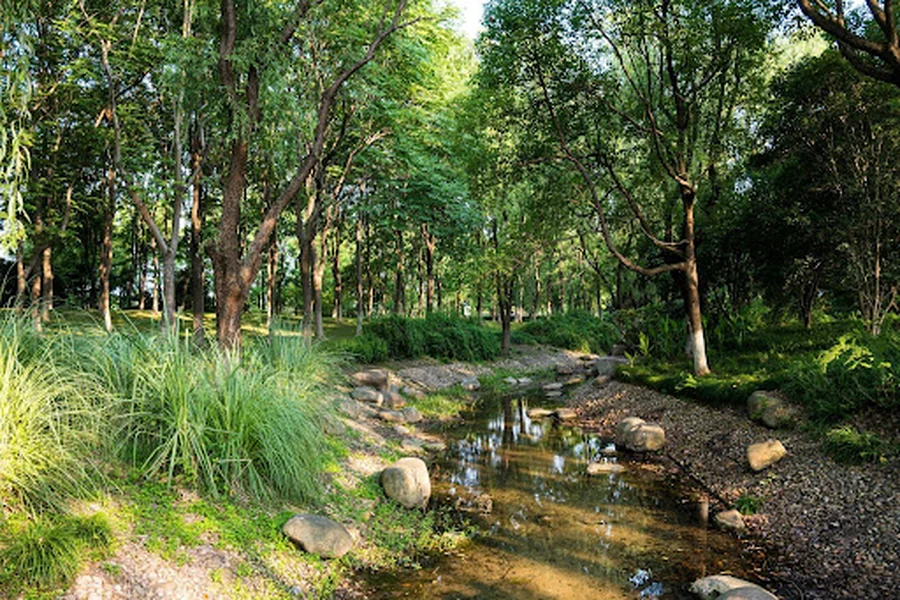
Responsible Wildlife Interaction Standards
Avoid excursions that involve animal exploitation or harm to natural habitats, and instead choose tours that promote conservation and respect for wildlife. Ethical wildlife experiences never involve touching, feeding, or disrupting natural behaviors of wild animals. Observation should occur from appropriate distances that don’t cause stress or behavioral changes.
Red flags include animals performing tricks, wildlife kept in small enclosures without enrichment, or opportunities to handle animals for photos. Legitimate conservation facilities prioritize animal welfare over visitor entertainment, maintaining spacious habitats that mimic natural environments and limiting human interaction to educational observation.
Sport fishing follows a catch-and-release model, protecting species such as marlin and sailfish, with protocols in place to safeguard sensitive species like manatees, including speed limits, monitoring systems, and communication with vessels. These specific, verifiable practices demonstrate genuine commitment to marine conservation.
Community Engagement and Local Benefit
Local communities play a key role in sustainable tourism. Thanks to their knowledge of the environment, they can identify best practices to protect it while taking advantage of economic opportunities. Authentic eco parks employ local residents, source supplies from nearby businesses, and contribute to community development projects that extend beyond their property boundaries.
Ask whether the facility partners with local schools for environmental education, supports community health initiatives, or trains residents in conservation skills. The not-for-profit Fundación Grupo Puntacana was created in 1994 to develop solutions to tourism’s most complex environmental and social challenges, developing innovative projects that serve as living examples of sustainable tourism.
Genuine community integration means local residents benefit economically and socially from conservation efforts, creating incentives for long-term environmental protection that extends beyond park boundaries into surrounding areas.
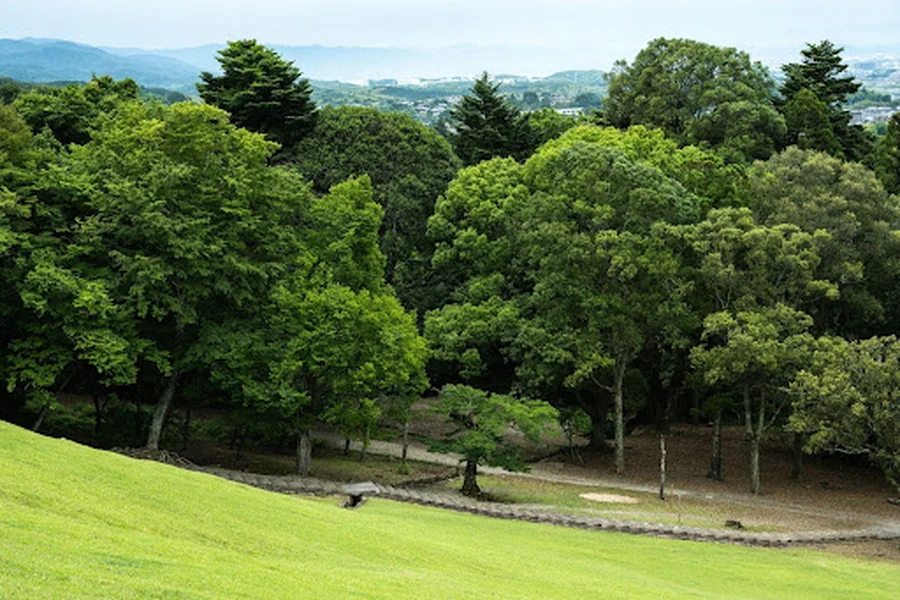
Distinguishing authentic eco park in Punta Cana from those practicing greenwashing requires attention to observable details rather than marketing claims. Verifiable conservation practices—from renewable energy systems and native habitat protection to responsible wildlife protocols and community partnerships—provide concrete evidence of environmental commitment.
Your choices as a traveler directly influence which operations thrive, making informed evaluation essential for supporting genuine conservation efforts in this biodiverse region.