Building the Ultimate Off-Grid Ute for Weekend Adventures
 Johnathan Parker |
August 20, 2026 |
3:52 pm
Johnathan Parker |
August 20, 2026 |
3:52 pm
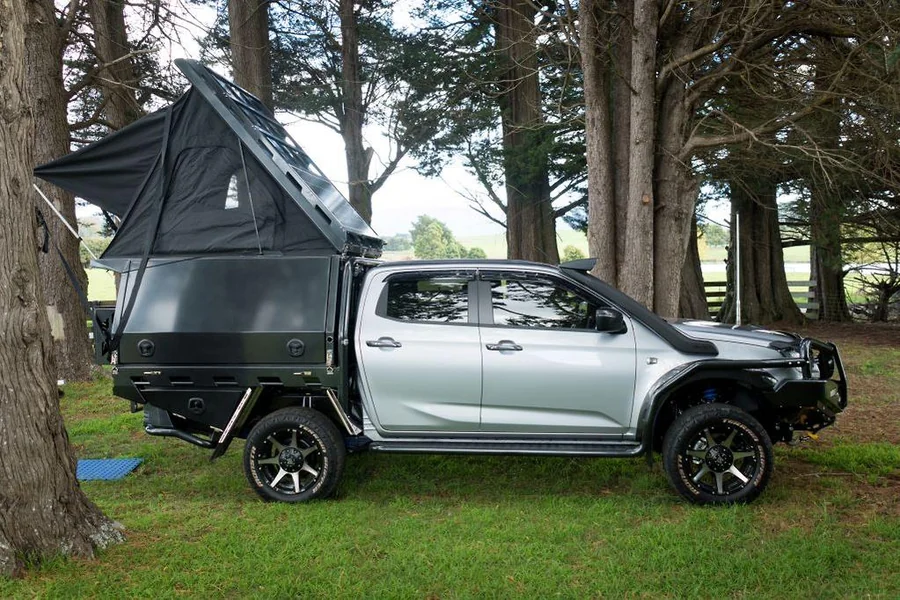
Australians have always had a deep appreciation for the great outdoors, but recent years have seen an unprecedented boom in domestic exploration. With Tourism Research Australia reporting a record 17.3 million domestic caravan and camping trips taken recently, more drivers than ever are swapping city weekends for remote bush escapes. Currently, there are more than 5.5 million four-wheel drives registered on Australian roads, representing a massive demographic of drivers interested in off-road upgrades. The vast distances between outback towns and stunning coastal campsites require vehicles that are built to handle extreme conditions. At the heart of this movement is the dual-cab ute. Models like the Ford Ranger and Toyota HiLux continue to dominate national sales charts, serving as the perfect blank canvas for building a highly capable, off-grid touring setup.
Understanding Weight Limits and Payload Safety
Before bolting on heavy accessories, it is crucial to understand your vehicle’s legal limits. A typical dual-cab four-wheel drive has a legal payload capacity ranging from 900kg to 1,200kg, which must account for passengers, fuel, bullbars, roof racks, and your packed camping gear. Recent joint awareness campaigns by local police and transport departments found that up to 90 percent of vehicles at targeted holiday checkpoints were operating over their legal weight limits. Exceeding Gross Vehicle Mass limits severely compromises driving dynamics, leading to increased stopping distances and a higher risk of a rollover on outback terrain. Furthermore, operating an overweight vehicle can void your comprehensive insurance if you are involved in an accident.
Optimising Tray Space for Utility and Storage
Balancing secure storage with weight management is the absolute key to a successful touring build. A standard dual-cab ute tray typically measures around 1800mm in length. Filling this entire footprint with a full-length metal box often results in unnecessary weight hanging far behind the rear axle, which negatively impacts off-road handling dynamics and fuel efficiency. Instead, many modern tourers are opting for a half-length storage setup to optimise their load distribution. Equipping your vehicle with a high-quality 1200 canopy offers the ideal compromise between security and practicality. Because these premium units generally weigh around 90 kilograms empty, they help preserve your critical payload capacity while offering robust, weather-proof protection for your expensive camping equipment, electrical setups, and pantry supplies.
By adopting this shorter canopy setup, you are also retaining highly functional exterior tray space. Leaving about 600mm of exposed rear tray space creates the perfect open-air zone for carrying bulky, oversized items that simply do not require weather protection. This dedicated area is ideal for securely strapping down spare mud tyres, dirt bikes, dirty recovery gear, firewood gathered on the tracks, or a custom-built dog box for your pets. This modular approach ensures that your heaviest items are positioned correctly over the axle while still allowing you to carry everything required for a comfortable and self-sufficient stay completely off the grid.
Essential Upgrades for Remote Touring
Transforming a standard workhorse into a reliable basecamp requires careful planning and the right equipment. To ensure your vehicle is ready for corrugated dirt roads and harsh coastal environments, consider prioritising the following modifications:
- Durable Storage Solutions: Look for boxes constructed from 2.5mm or 3.0mm marine-grade aluminium. Features like three-point locking mechanisms and heavy-duty weather seals are essential for protecting expensive gear from dust and rain.
- 12V Electrical Systems: A reliable power setup allows you to run touring fridges, camp lighting, and charging stations for days at a time. Keeping these electrical components housed within a sealed space prevents devastating dust ingress.
- Suspension Enhancements: Upgrading your springs and shock absorbers helps carry the constant weight of your touring gear while drastically improving ride comfort and vehicle control on unpredictable outback tracks.
- Recovery Equipment: No off-grid vehicle is complete without basic recovery gear. High-quality rated recovery points, a reliable winch, and a set of recovery boards will ensure you can safely extract your vehicle if you get bogged down in sand or mud.
Building the ultimate touring vehicle is entirely about finding the perfect balance between comfort, utility, and absolute safety. By keeping a close eye on your payload limits and investing in practical storage layouts, you can create a versatile setup that handles both the daily urban commute and rugged weekend adventures with total ease. The right combination of equipment ensures that you are prepared for whatever the Australian landscape throws your way. Once your vehicle is properly equipped, balanced, and safely packed, the only thing left to do is start researching remote destinations and reading reliable outdoor adventure guides to properly map out your next unforgettable journey across the country.