What Makes the Best Portable Power Stations Last Longer?
 Johnathan Parker |
October 22, 2026 |
3:20 pm

The best portable power stations last longer because their batteries, control systems, and thermal design work together to slow wear. Long service life is not just about a large battery. It depends on how well the unit handles repeated charging, discharge depth, internal heat, and storage conditions over time. Buyers should look beyond runtime and output and focus on battery chemistry, cycle ratings, and protection features. Everyday use also matters. Sensible charging habits, moderate temperatures, and proper storage help preserve battery capacity and keep a power station reliable for backup, travel, and outdoor use.
Which Design Features Support a Longer Service Life?
Battery Chemistry and Capacity Retention Across Charging Cycles
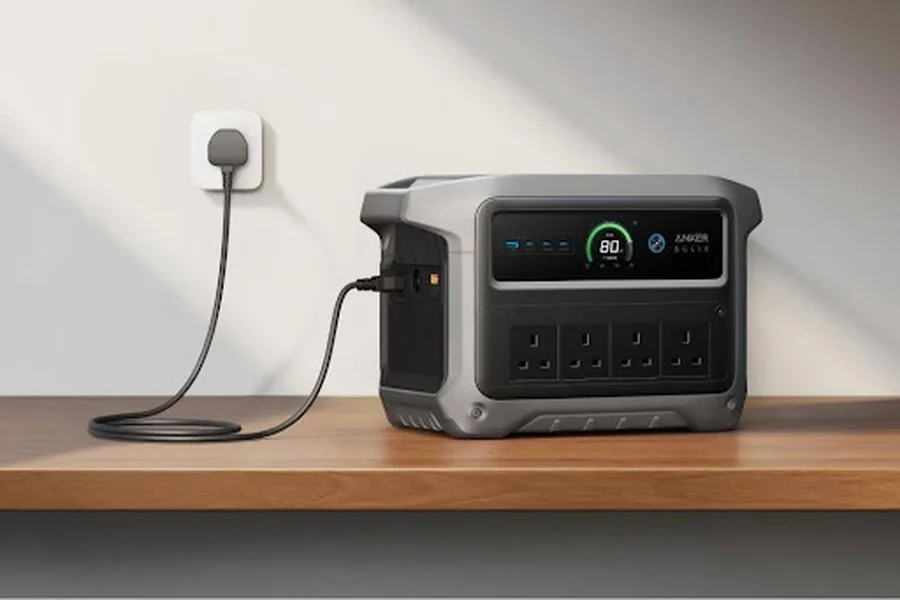
Battery chemistry is one of the strongest predictors of lifespan. Lithium iron phosphate, or LFP, usually delivers better cycle durability and greater thermal stability than chemistries optimized mainly for smaller size or lower weight. That matters for users who recharge often or rely on a unit for routine backup. For example, the Anker SOLIX C1000 Gen 2 uses an LFP battery and is rated for 10 Years of InfiniPower™, with at least 80% capacity after 4,000 cycles. A high cycle rating paired with strong capacity retention gives a clearer picture of long-term usefulness than battery size alone for most buyers.
Battery Management That Controls Charging and Discharging
The best portable power stations also need smart battery management systems. This system monitors voltage, current, temperature, and charging status to keep the battery operating within safe limits. Good management reduces stress from overcharging, deep discharge, high current draw, and cell imbalance, all of which can shorten service life. It also helps the unit deliver steady output without pushing components beyond healthy operating conditions. Better battery management usually means more consistent performance over years of use, not just during the first few months. When evaluating design quality, these invisible protections matter as much as battery chemistry itself.
Cooling and Construction That Protect Internal Components
Heat is a major cause of battery and electronics wear, so cooling design directly affects longevity. Well-designed portable power stations manage airflow, spread heat efficiently, and prevent hotspots around the battery, inverter, and charging circuitry. Strong construction also helps by shielding internal parts from vibration, dust, and minor impacts during transport and outdoor use. Quality materials, secure assembly, and thoughtful internal layout reduce mechanical stress over time. A unit built for longer service life does more than survive occasional use. It protects sensitive components during regular charging, discharging, storage, and movement, which helps preserve capacity and overall reliability.
How Should You Read Battery Lifespan Claims?
Check the Remaining Capacity Behind the Cycle Rating
Cycle numbers mean little unless you know what remains after those cycles. A claim of thousands of cycles usually refers to the battery still holding a stated percentage of its original capacity, not performing like new. That percentage matters because it tells you how useful the power station should remain after years of charging and discharging. For practical buying decisions, look for a clear statement such as 80% remaining capacity after a specific cycle count. Transparent claims are more meaningful than large numbers alone. They show whether the battery should still deliver dependable runtime instead of simply remaining functional.
Distinguish Cycle Life From Ageing Over Calendar Years
Cycle life and calendar ageing measure different forms of battery wear. Cycle life tracks how capacity declines with repeated charging and discharging. Calendar ageing describes the gradual loss that happens simply with time, even if the power station is used lightly. Heat, high state of charge, and poor storage conditions can speed calendar ageing significantly. That means a rarely used unit can still lose capacity if it sits fully charged in a hot garage for long periods. To judge lifespan accurately, read both the cycle claim and the care guidance. Long life depends on use patterns and time-based ageing together.
Which Everyday Habits Help Preserve Your Power Station?
Manage Heat and Use Charging Modes Appropriately
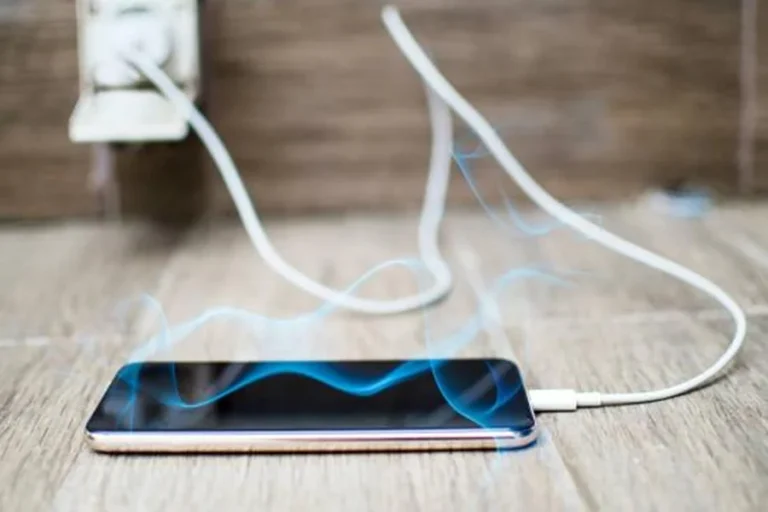
Daily habits strongly influence battery health. Keep the power station out of direct sun, avoid leaving it in a hot vehicle, and place it where ventilation is not blocked during charging or heavy output. Heat raises internal stress and speeds capacity loss, especially when combined with high charge levels. If your unit offers different charging modes, use the setting that matches your needs instead of always choosing the fastest option. Slower or optimized charging can reduce heat and strain during routine use. Fast charging is useful when necessary, but moderate charging habits generally support better long-term battery preservation over time.
Follow Storage Guidance and Check the Battery Between Uses
Proper storage helps preserve a portable power station when it is not in regular use. Follow the manufacturer’s guidance for storage charge level rather than leaving the battery completely full or fully depleted for long periods. Store the unit in a cool, dry place and avoid damp, freezing, or excessively hot environments. If the power station will sit unused for weeks or months, check the battery periodically and recharge to the recommended level when needed. This routine helps prevent over-discharge and unnecessary stress. Good storage practices are simple, but they play a major role in protecting long-term capacity.
Conclusion
The best portable power stations last longer when they combine durable battery chemistry, effective battery management, and strong thermal and physical design. Clear lifespan claims should explain both cycle count and the remaining capacity after those cycles. Buyers also need to remember that years of ageing and daily habits affect battery health, not just charging frequency. Choosing an LFP-based model, understanding what the numbers actually mean, and following sensible charging and storage practices will do the most to preserve capacity. Long service life comes from good engineering matched with consistent, careful everyday use.