Sailing the Mexican Caribbean: Catamaran experiences near Cancun
 Johnathan Parker |
July 28, 2026 |
11:29 pm
Johnathan Parker |
July 28, 2026 |
11:29 pm
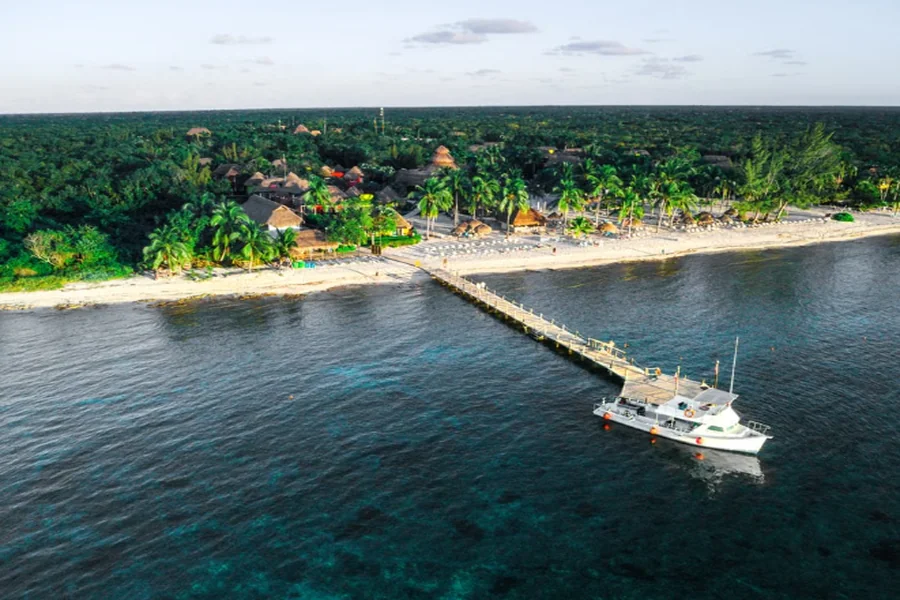
Among the many ways to experience Mexico’s Caribbean coast, catamaran experiences near Cancun offer one of the most relaxed perspectives. Once the marina fades behind you, the coastline looks quieter, the water shifts through different shades of turquoise and the steady movement of the boat creates a welcome change of pace from days spent sightseeing on land.
Travelers interested in booking an organized outing can compare catamaran tours in Cancun according to their duration, departure point, group size and included activities. Reviewing those details in advance is important because some trips focus primarily on sailing and snorkeling, while others dedicate more time to island exploration, onboard entertainment or a leisurely meal.
Why explore the Mexican Caribbean by catamaran?
A catamaran provides an open, social setting without requiring travelers to follow a demanding activity schedule. Its wide deck and stable design offer room to sit in the shade, stretch out near the front of the vessel or simply watch the water as the boat leaves the mainland.
Unlike speedboat outings, which often emphasize movement and adrenaline, sailing tours in Cancun usually encourage passengers to settle into the rhythm of the day. There may be music and conversation onboard, but there is also time to enjoy the horizon, feel the sea breeze and observe the coastline from a distance.
This type of experience can suit:
- Couples looking for a peaceful day away from busy beaches
- Families with children who are comfortable spending time on a boat
- Groups of friends interested in combining social time with swimming
- Solo travelers who enjoy shared activities
- Visitors who want light adventure rather than a physically demanding excursion
What a typical catamaran day includes
Most departures begin at a marina in or near Cancun, where passengers check in, meet the crew and receive basic safety instructions. Once everyone is aboard, the boat heads toward open water and the day unfolds through a combination of sailing, swimming and downtime.
Time to relax onboard
A significant part of the experience takes place on deck. Depending on the vessel, passengers may have access to shaded seating, open areas for sunbathing or netting suspended above the water at the bow.
Drinks and light refreshments are commonly served during navigation, although inclusions vary. Travelers should verify whether food is provided, whether towels are available and whether the vessel has accessible restrooms before confirming a reservation.
Snorkeling in Caribbean waters
Many itineraries include a guided snorkeling stop over a reef or in a designated swimming area. The crew generally distributes masks, snorkels, flotation equipment and instructions before passengers enter the water.
Travelers should confirm:
- Whether snorkeling is suitable for beginners
- How long the swimming stop lasts
- Whether entering the water is optional
- What flotation devices are provided
- Whether children must meet an age or height requirement
- Whether weather conditions can change the snorkeling location
Those who prefer not to swim can usually remain onboard and enjoy the scenery while the rest of the group is in the water.
Island time
Some itineraries include Isla Mujeres in catamaran as part of the day, with a scheduled period for exploring the island. Depending on the tour, passengers may visit a beach club, walk through the town center, have lunch or spend free time near the shore.
The amount of island time can differ considerably. Travelers who want to explore independently should choose an itinerary with a longer stop, while those mainly interested in being on the water may prefer a route that keeps the land portion brief.

When to sail and what to bring
There is no single ideal departure time for every traveler. Morning and afternoon outings provide different advantages, and the best choice depends on weather, energy levels and the type of light travelers hope to experience.
Morning departures
Morning sails often begin when temperatures feel milder and the day is just getting started. They are a practical option for families, travelers sensitive to heat and anyone who wants to return to the hotel with part of the afternoon still available.
Earlier departures may also provide more flexibility if weather conditions change later in the day. However, pickup and check-in can take place early, particularly when transportation from a hotel is included.
Afternoon and sunset departures
Afternoon sails tend to feel warmer and may offer softer light on the return journey. Sunset-focused itineraries are particularly suited to couples and travelers more interested in the atmosphere onboard than in spending a long time snorkeling.
These trips may be shorter, and some do not include swimming because of their departure time. The itinerary should make clear whether the outing is designed around water activities, sunset views or both.
Essential items for a catamaran outing
A small, securely closed bag is generally enough for a day on the water. Useful items include:
- Swimwear worn under light clothing
- A quick-drying towel
- A hat that fits securely
- Polarized sunglasses with a strap
- A lightweight cover-up or rash guard
- A waterproof case for a phone
- A change of clothes
- Any personal motion-sickness medication
- Reef-conscious sun protection, when permitted
Sun exposure can feel stronger on the water because there is limited shade and light reflects from the sea. Applying protection before boarding and bringing clothing that covers the shoulders can be more practical than relying only on sunscreen.
Understanding sea conditions and boat comfort
Catamarans are generally more stable than narrow boats because their two hulls create a wider base. Even so, passengers may still feel movement when the water is choppy or the wind becomes stronger.
Anyone prone to seasickness should eat a light meal beforehand, stay hydrated and choose a place on the boat with fresh air and a clear view of the horizon. Medication should be taken according to its instructions rather than after discomfort has already started.
Weather may also influence the route. Crews can relocate a snorkeling stop, reduce time in open water or adjust the itinerary when safety requires it. Flexible expectations are important because a responsible operator will prioritize sea conditions over following the original schedule exactly.
Half-day or full-day: which option is right for you?
The duration of the outing can have a major effect on its pace. Rather than choosing based only on how many activities are listed, travelers should consider how much time they actually want to spend in transit, onboard and away from their accommodation.
Choose a half-day outing when:
- You want to combine sailing with another activity
- You prefer a lighter vacation schedule
- Younger family members may tire after several hours
- Your main interests are snorkeling and time onboard
- You do not need an extended island visit
Half-day trips can provide a satisfying introduction to sailing without using the entire day. However, shorter itineraries may move more quickly between check-in, snorkeling and the return journey.
Choose a full-day outing when:
- You want more unstructured time on the water
- The itinerary includes a meaningful island stop
- You prefer not to rush through lunch or swimming
- Sailing is intended to be the main activity of the day
- Your group is comfortable with an early departure and later return
A full-day experience can feel more immersive, but it also demands more energy. Families and travelers staying farther from the marina should include transfer time when calculating the true length of the outing.
Frequently asked questions
How long does a typical catamaran outing last?
Most shared outings range from several hours to a full day, depending on the itinerary. Half-day options generally include sailing and one main swimming or snorkeling stop, while longer experiences may add lunch, island time or another coastal stop. Travelers should review the check-in and return times rather than relying only on labels such as “half day” or “full day.”
Do I need to know how to swim?
Swimming ability is not usually required to remain onboard, but it is helpful for passengers who want to snorkel. Operators commonly provide life jackets or flotation aids, and entering the water is often optional. Travelers who are not confident swimmers should tell the crew before the activity begins and confirm whether guided assistance is available.
Are catamaran outings suitable for children?
Many are family-friendly, but suitability depends on the child’s age, the length of the trip and the sea conditions. Parents should ask about life jackets, shaded areas, restroom access and minimum requirements for snorkeling. A shorter morning departure may be more comfortable for younger travelers.
A slower way to experience the coast
A day at sea offers something that land-based sightseeing cannot: the chance to see the Mexican Caribbean without moving constantly from one scheduled stop to another. There may be reefs to explore and islands to visit, but some of the most memorable moments are often the simplest—watching the water beneath the bow, drying off in the sun or seeing the mainland gradually reappear on the horizon.
By comparing departure times, group sizes, onboard facilities and the balance between sailing and land activities, travelers can choose an itinerary that fits their own pace. The most rewarding catamaran experiences near Cancun are not necessarily those with the longest list of inclusions, but those that leave enough room to enjoy the sea rather than rush across it.