When a Vehicle Breaks Down in an Active Traffic Lane
 Johnathan Parker |
November 11, 2026 |
10:21 am
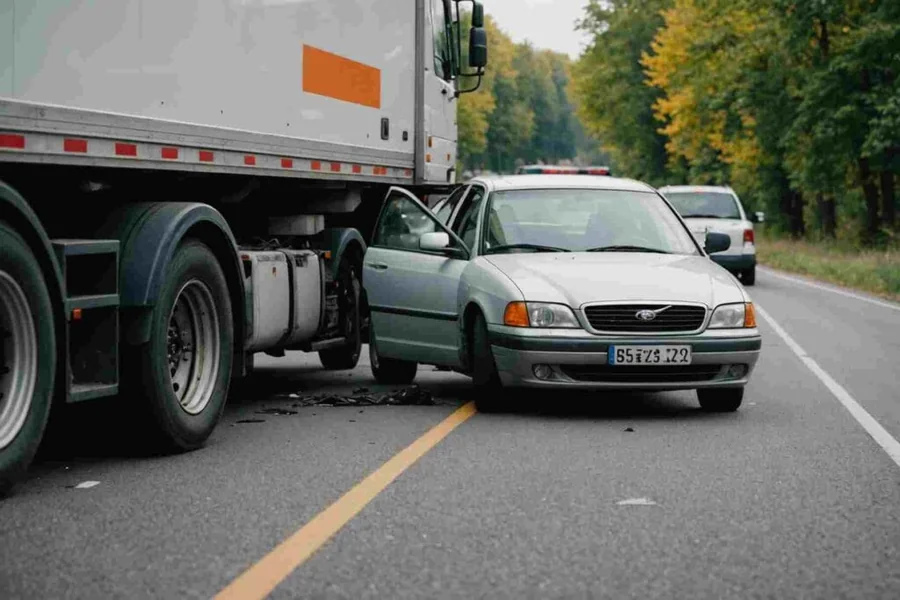
A car that suddenly loses power may stop before reaching the shoulder. Approaching motorists may not expect stationary traffic, particularly at highway speeds or after dark. An ordinary breakdown can quickly endanger occupants, other drivers, and emergency responders.
These incidents raise two questions: how to protect people while the lane remains blocked, and what happens if another vehicle crashes into the disabled car. Visibility, mechanical condition, and driver reactions all matter on busy roads around Midland.
1. A Sudden Loss of Power Can Leave Drivers Exposed
An engine failure, electrical problem, or damaged tire may prevent a vehicle from maintaining speed. If the driver cannot move to the shoulder, the car may stop where approaching motorists still expect traffic to be flowing. Curves, hills, and poor lighting can make the obstruction harder to recognize.
The Federal Highway Administration (FHWA) treats lane-blocking vehicles as traffic incidents requiring prompt attention. Its guidance prioritizes protecting motorists and safely clearing hazards. A breakdown is not automatically evidence of careless driving; the circumstances require investigation.
2. Moving the Vehicle May Be Impossible
If the vehicle remains operable, moving entirely out of the lane when safe reduces exposure. Otherwise, activate hazard lights and contact emergency services. Never attempt a dangerous maneuver merely to clear the lane. If the car cannot be moved under its own power, explain that clearly when requesting assistance so responders know the lane remains obstructed.
Texas Transportation Code § 545.301 generally restricts stopping on the traveled portion of highways outside business or residential districts, but includes an exception for a disabled vehicle when avoiding the stop is impossible. If a collision follows, a Midland car accident attorney can examine whether the breakdown was unavoidable and how the other driver’s conduct affected the outcome. The legal issue cannot be decided simply because one vehicle was stationary.
3. Occupant Safety Depends on the Surroundings
Staying beside a stranded car exposes occupants to passing traffic. The Texas Driver Handbook advises getting everyone off the road when the vehicle cannot be moved. Exit only when a safe path exists; stepping into a live lane can create immediate danger. If leaving safely is impossible, tell the emergency dispatcher exactly where occupants are and follow the instructions provided.
Call 911 when a disabled vehicle obstructs moving traffic, and describe the lane, travel direction, nearest exit, and whether anyone needs medical help. Texas DPS also operates a motorist assistance helpline at 1-800-525-5555 for stranded drivers, but that nonemergency service is not a substitute for 911 when a lane is blocked.
4. Approaching Motorists Must Respond Before the Last Moment
Approaching drivers need room to identify the hazard, slow down, and change lanes safely. Following closely or looking away reduces that opportunity. Swerving into an occupied lane may cause a sideswipe or multi-vehicle crash.
Texas DOT advises drivers to adjust speed for traffic conditions, remain attentive, and maintain room to stop. If emergency personnel or tow trucks arrive with qualifying warning lights activated, Texas’s Move Over or Slow Down law imposes specific requirements. That statute does not automatically apply to every private disabled vehicle, although exercising caution around any obstruction remains essential.
5. Warning Others Should Not Create Another Hazard
Hazard flashers can alert approaching drivers that the vehicle is stopped unexpectedly. If the car is safely off the roadway, reflective devices and other emergency supplies may improve visibility while assistance is arranged. The priority changes when the vehicle is stranded in a moving lane.
Never enter active traffic to place triangles, inspect the engine, or attempt repairs. Warning equipment is useful only when it can be deployed safely. A driver must prioritize personal safety over preserving the car or trying to direct traffic. FHWA guidance describes the specialized traffic-control procedures available to professional responders.
6. A Breakdown Can Trigger More Than One Collision
The first approaching motorist may stop, but the slowdown can spread backward. Other drivers may encounter an unexpected queue without seeing the stalled car. Attempts to merge around it can create further conflicts.
FHWA identifies secondary incidents as a concern when stalled vehicles and crashes interrupt normal traffic flow. Investigators may need to determine which collision occurred first, whether approaching drivers had adequate sight distance, and how traffic conditions developed. The stalled car is not necessarily responsible for later impacts. Poor visibility, excessive speed, and unsafe following distances may influence what happens after the original breakdown.
7. The Mechanical Failure Requires Its Own Investigation
A driver might report that their car just stopped, but this doesn’t explain the cause. Investigators will check the battery, fuel system, tires, engine parts, and diagnostic data. They will also consider recent repairs or warning signs. Inspectors need to distinguish between damage from a later crash and the initial issue that stopped the car.
Records that may help include:
- Maintenance invoices and inspection findings
- Dashboard warnings reported before the stop
- Photographs showing the disabled vehicle’s position
- Dashcam footage and witness accounts
- Vehicle damage and available electronic data
These materials may distinguish an unexpected malfunction from an unaddressed defect. Conclusions require reliable evidence.
8. Liability Depends on the Full Sequence of Events
After impact, insurers may dispute the disabled driver’s precautions, an approaching motorist’s reaction, or a repair provider’s responsibility. Texas law does not automatically assign fault to the stopped vehicle.
Medical records, repair reports, photographs, and witness details can document the injuries and event sequence. Preserve this evidence after immediate hazards are addressed. Responsibility requires examining the facts, not assumptions. Questions about the driver’s knowledge of a defect, the time available to activate warnings, and the approaching motorist’s lookout may be central to the analysis.
The Safest Outcome Starts With Early Recognition
A breakdown in an active lane can become an emergency before anyone is injured. Moving to safety when possible, activating warnings, and requesting assistance reduce exposure. Nearby motorists must remain alert and avoid unsafe maneuvers.
After a collision, the questions go beyond why the car stopped: Was it visible? What precautions were possible? How did surrounding traffic respond? The answers help establish whether preventable conduct contributed to the harm.