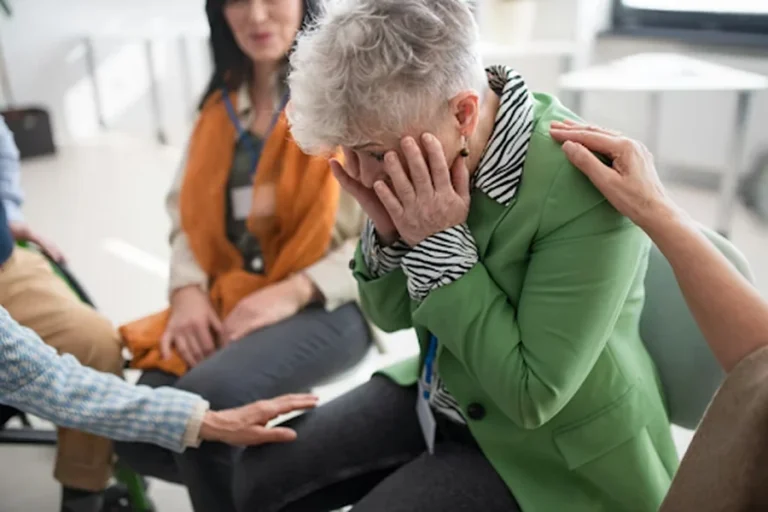
Understanding the Emotional Impact of Elder Isolation
 Johnathan Parker |
July 3, 2026 |
8:40 pm
Johnathan Parker |
July 3, 2026 |
8:40 pm

We often focus on the physical frailties that come with aging, but the quiet ache of loneliness can be just as damaging. As neighborhoods shift and families scatter, millions of older adults find themselves cut off from regular human contact—a deep isolation that leaves them highly vulnerable to neglect or exploitation. When this profound disconnect crosses into systemic mistreatment, consulting an attorney for serious elder abuse claims becomes a critical step to safeguard their rights and restore their dignity.
This level of disconnection isn't just a bittersweet side effect of growing older. It is a quiet public health crisis, and understanding how deeply these emotional wounds cut is the first step toward doing something about it.
What Drives Elder Isolation in Modern Society?
Major life transitions, physical limitations, and shrinking social circles are the primary reasons older adults lose their connection to the world. As people age, they routinely outlive spouses, lifelong friends, and the neighbors who once formed their daily support system.
Data from the National Academies of Sciences, Engineering, and Medicine (NASEM) reveals a stark reality: more than one-fourth of community-dwelling Americans aged 65 and older live in isolation. It is a massive statistic hiding right in plain sight.
Physical Barriers to Connection
Losing your driver's license, dealing with hearing loss, or navigating chronic pain makes socializing incredibly difficult. When a simple trip to the local market or community center becomes an exhausting logistical hurdle, staying home becomes the default option.
The Digital Divide
While the rest of the world moved its social life online, a massive portion of the older demographic got left behind. Lacking the tech skills or the right devices means missing out on the video calls, group chats, and community updates that keep the rest of us connected.
The Hidden Emotional Toll of Loneliness
Prolonged isolation acts as a toxic, low-grade stressor that fundamentally alters how an older adult experiences the world. When human beings are cut off from meaningful interaction, the brain operates in a state of persistent hyper-vigilance, interpreting the lack of connection as a threat.
This survival mode changes everything, turning what should be moments of comfort into sources of anxiety.
"Loneliness acts like a chronic stressor, flooding the body with cortisol and gradually eroding a person's sense of self-worth and security."
A Deep-Seated Sense of Worthlessness
When days blur together without a single meaningful conversation, it is easy for seniors to feel like they are just a burden to their families or entirely forgotten by society. That lack of everyday validation chips away at their identity, causing many to withdraw even further.
Accelerated Cognitive Decline
There is a direct, measurable link between a lack of social life and how fast the brain ages. Without the mental stimulation of regular conversation, debate, and shared storytelling, the brain loses its regular workout, which can accelerate memory loss and confusion.
The Physical Consequences of Emotional Pain
Emotional isolation regularly triggers physical decline, mirroring the damage caused by chronic disease. Loneliness is not a vague sentiment; it actively damages the body by driving up systemic inflammation and wearing down the immune system.
Comprehensive research made available through the National Institute on Aging highlights that the health risks of prolonged social isolation are roughly equal to smoking 15 cigarettes a day.
● Cardiovascular Risks: Isolated individuals show a 29% higher risk of heart disease and a 32% spike in stroke risk.
● Sleep Disruption: Chronic loneliness ruins sleep quality, leaving seniors too fatigued for physical recovery.
● Weakened Immunity: Persistent stress responses lower the body's defenses, making older adults highly susceptible to viruses and infections.
When Vulnerability Opens the Door to Harm
Extremely isolated older adults face a much higher risk of falling through the cracks of a busy world. Without a reliable network of friends, neighbors, or family checking in, subtle changes in a senior’s living conditions, financial habits, or physical safety go completely unnoticed.
This lack of oversight creates a dangerous vacuum where predatory actors or overwhelmed caregivers can easily exploit a senior's dependency. When isolation leaves someone without a voice, regular outside advocacy is often the only real shield they have left.
How Communities Can Bridge the Connection Gap
Combating elder isolation takes proactive, intentional outreach that meets seniors where they are. We cannot expect isolated individuals to always make the first move, especially when depression, mobility issues, or foundational changes in mental health and well-being have already set in.
Small, consistent adjustments in how we interact with the older adults around us can change the trajectory of their health.
Simple, Actionable Ways to Help
● Initiate Micro-Interactions: A quick chat over the fence or a brief wave across the driveway keeps an older neighbor from feeling invisible.
● Organize Intergenerational Programs: Bringing local students into senior spaces injects new energy into the environment while giving younger generations access to a wealth of life experience.
● Support Volunteer Transport: Simply helping a senior get to a book club, church service, or community garden eliminates the single biggest barrier to their social life.
Final Thoughts: Restoring a Culture of Connection
Reversing elder isolation is a collective responsibility, not just a family problem. By acknowledging the heavy emotional and physical toll of loneliness, we can change our daily habits to ensure older adults remain woven into our communities. No one who spent a lifetime building the neighborhoods we live in should have to spend their final years feeling forgotten by them.