How Seniors Benefit Most from All‑in‑One Connected EHR Systems
 Johnathan Parker |
July 2, 2026 |
2:45 pm
Johnathan Parker |
July 2, 2026 |
2:45 pm
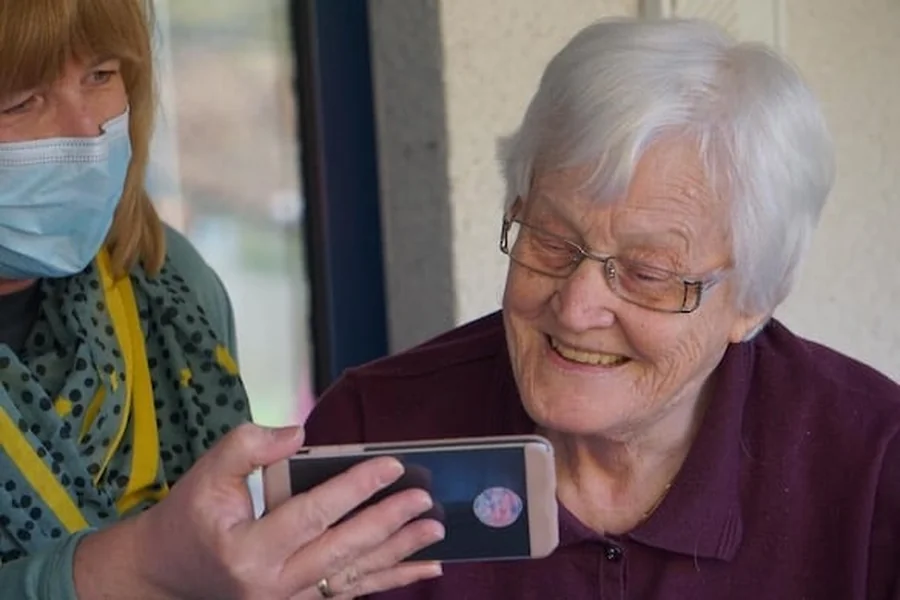
Seniors are no longer patients who rely on paper files and in-person visits. Nearly 90 to 92% of adults over 50 now own smartphones, and more are saying that technology helps them feel independent. Telehealth and online portals are now common. According to a recent report, 87% of older adults have tried telehealth at least once, and almost half use wearables or health apps to track things like blood pressure, heart rate, or daily steps.
However, many seniors deal with a patchwork of records because long-term care facilities and geriatric services are often slow to adopt EHRs. This leaves information spread out across paper charts and separate systems. When digital records are used well, they help track nutrition, mobility, and medication use, but their effect on other outcomes depends on how people use the system every day.
The main question is whether technology really makes care safer, easier to understand, and more personal for elders. All-in-one connected Electronic Health Record (EHR) systems try to do this by bringing together appointments, clinical notes, medication lists, lab results, remote monitoring data, and secure messaging in one place.
This write-up looks at how seniors can get the most out of these systems and what providers should focus on to support healthy aging without making things more complex.
Core Health Benefits for Seniors
1. Better Care Coordination and Fewer Gaps
Seniors often visit several providers, such as a primary care doctor, specialists, therapists, and sometimes home-care or long-term care teams. Each time care changes hands, there is a risk that information gets lost. Connected EHRs give all providers access to one record with a senior’s diagnoses, allergies, medications, and recent test results.
A review of EHR use in residential aged-care facilities found that these systems helped address issues such as weight loss, malnutrition, mobility, and weight tracking. The same study found that using EHRs to guide and document care led to less inappropriate use of antipsychotic medicines. This suggests that better data help care teams avoid overmedicating vulnerable older adults.
2. Safer Medications and Procedures
Keeping medications safe is a major challenge in senior care. Many older adults take several prescriptions, often from different doctors, which increases the risk of dangerous drug interactions, duplicate medicines, or dosing mistakes. All-in-one EHRs put medication lists and allergy information in one place, making it easier for providers to check for problems and keep records up to date.
Latest research shows that how easy EHRs are to use really matters. One study of older adults with dementia found that when nurses said the EHR was easy to use, fewer patients died after surgery. Put simply, when staff can use the EHR without trouble, they are less likely to miss important details, so outcomes improve for seniors who need extra care.
3. More Human, Patient‑Centered Communication
Many seniors say their top priority in healthcare is to feel listened to and well-informed. EHRs and patient portals can either support or get in the way of this goal.
A 2025 study found that older adults who use EHRs and portals feel they get better care. This is mostly because digital access helps make communication more focused on the patient.
When seniors or their caregivers can log in to see visit summaries, lab results, and upcoming appointments, they come to appointments better prepared. They can also review instructions at home instead of trying to remember everything, which is especially helpful for managing conditions like heart failure or diabetes.
4. Support for Healthy Aging at Home
Healthy aging increasingly means staying at home as long as possible, with support from remote monitoring and digital tools. Studies of senior technology use show that about 45% of adults over 50 wear a device or use an app for health monitoring, and remote monitoring pilots in older populations report high acceptance and reductions in emergency department visits.
All-in-one EHRs connect these devices to real clinical care by turning their data into useful information. When blood pressure, heart rate, or weight trends go straight into the EHR, doctors can notice problems sooner and adjust treatment before a hospital visit is needed.
What Providers Need to Get Right
Even so, technology by itself does not always lead to better results. Studies in aged care show that EHRs help track some health measures, but their effect on things like falls and depression is mixed. Success often depends on how well the systems are set up and how easy they are for staff and seniors to use. So, what should providers focus on?
- First, usability is important. The hospital study that found better nurse-reported EHR usability led to lower death rates after surgery in older adults with dementia shows that hard-to-use systems are more than just annoying—they can be unsafe. Providers need systems with clear steps, easy navigation, and as few extra clicks as possible, especially in places like surgery and intensive geriatric care.
- Second, design should meet seniors’ needs. Research shows that older adults find portals helpful when they are simple and easy to use, but see them as barriers when they are confusing or hard to read. Using larger fonts, plain language, easy-to-read layouts, and clear privacy controls can help more seniors use these tools.
- Third, training and support matter too. Older adults and their families do better when clinics and facilities take time to show them how to use portals, secure messaging, and shared access, ideally with printed instructions and in-person demonstrations.
Where All‑in‑One Systems Fit In
For providers serving more seniors, picking the right all-in-one EHR is now a clinical decision, not just an IT matter. The best systems for older adults have a few things in common. They are cloud-based, secure, designed for special needs, and fully integrated across clinical, administrative, and communication tasks.
Geriatric-focused platforms offer tools to manage several chronic conditions, record functional and cognitive assessments, work with caregivers, and make documentation easier with AI-assisted note support. They also have built-in billing and revenue features, which help smaller practices stay financially stable and spend more time on complex senior visits.
For seniors and families, the best and the easiest EHR to use is the one they hardly notice because it makes care easier. This means fewer repeated questions, clearer instructions, safer medications, and better follow-ups.
Making Digital Health Work With Seniors
All said, modern EHR systems can help close gaps in care, make medications safer, support proactive health monitoring, and encourage better communication between seniors, families, and providers. To achieve these benefits, systems need to be thoughtfully set up, easy to use, and focused on what older adults really need from their healthcare.
For seniors, families, and caregivers. If you are a senior, family member, or caregiver, a good next step is to ask your medical facility how their EHR supports older adults. Can different specialists see the same information? How do they use remote monitoring data?
The answers to these questions will show if digital health tools are really helping seniors get the most from connected care, or if there is still room for improvement.