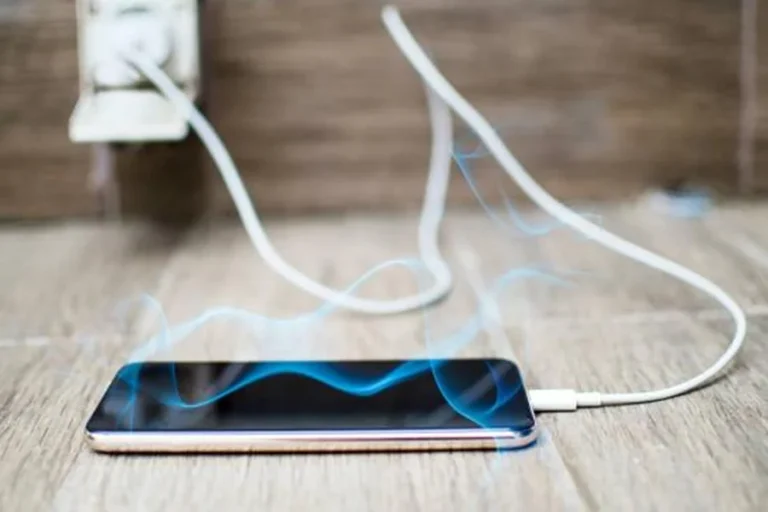
Why Electrical Insulation Is Becoming a Design Priority in Compact Systems
 Johnathan Parker |
July 21, 2026 |
9:03 pm
Johnathan Parker |
July 21, 2026 |
9:03 pm
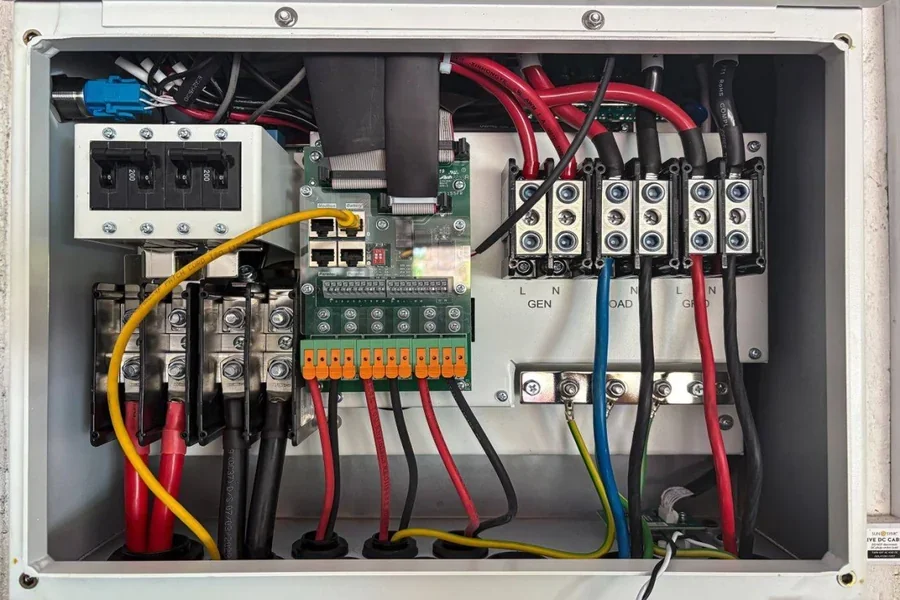
Modern devices and industrial systems are becoming smaller, denser and more connected. From industrial electronics to automation equipment, sensors, control units and compact machinery, designers are often asked to place more functions inside limited spaces. This creates new opportunities, but also new challenges.
One of the most important is electrical insulation. When wires, cables and components are positioned close to one another, insulation is no longer just a basic safety measure. It becomes part of the overall design strategy, influencing reliability, maintenance, performance and long-term durability.
In compact systems, every millimeter matters. Good design is not only about fitting components into a smaller space, but making sure they can operate safely and consistently once the product is in use.
Compact Design Creates New Electrical Challenges
The demand for compact products affects many industries. Devices are expected to be lighter, easier to install and more efficient, while still offering high performance. This trend can be seen in automation, robotics, electronic assemblies, mobility applications, medical equipment and industrial control systems.
As systems become smaller, cable routing becomes more complex. Wires may need to pass through narrow spaces, bend around mechanical parts, or remain close to heat sources, moving elements or sensitive electronic components.
In this context, poor insulation choices can create problems over time. A cable may be exposed to abrasion. A conductor may be too close to another component. Heat may accelerate wear. A lack of organization inside the system may make inspection or maintenance more difficult.
These issues do not always appear immediately. They often emerge after repeated use, vibration, temperature changes or long operating cycles. That is why electrical insulation must be considered early in the design process, not treated as an afterthought.
Insulation Is More Than a Safety Detail
The first purpose of insulation is clear: it helps protect people, components and systems from unwanted electrical contact. But in modern engineering, its role goes further.
Good insulation helps preserve the stability of signals, separates electrical paths, protects cables from mechanical stress and supports better internal organization. It can also help reduce the risk of damage caused by friction, heat or contact with nearby parts.
In compact designs, this matters even more because components are often closer together. A small failure in insulation can affect a larger part of the system, especially when electrical, mechanical and thermal factors interact.
For this reason, insulation materials are selected not only for their electrical properties, but also for how they behave in real operating conditions. Flexibility, wall thickness, resistance to heat and compatibility with the surrounding environment can all influence performance.
Heat, Flexibility and Dielectric Strength
When choosing insulation for demanding applications, engineers often look at several characteristics at the same time. One of these is dielectric strength, which describes the ability of a material to resist electrical stress without breaking down.
Another key factor is temperature resistance. In industrial and electronic environments, cables and components may be exposed to heat generated by motors, circuits, machinery or external conditions. Insulation materials are rated according to thermal classes for electrical insulation, which define how much heat they can tolerate over their service life. If the insulation material cannot tolerate these conditions, its performance may decline over time.
Flexibility is also important. Some systems require wires or control elements to move, bend or pass through restricted areas. A rigid solution may be difficult to install or may create stress points. A more flexible material can help support cleaner routing and easier integration.
This is why materials such as PTFE are often valued in technical applications. Their combination of thermal resistance, electrical properties and chemical stability can make them suitable for environments where ordinary insulation may not be enough.
Where Small Insulation Components Make a Difference
In many systems, insulation components are small and easy to overlook. Yet they can play a decisive role in how the product performs over time.
They may be used to protect wires in electronic assemblies, guide cables inside compact equipment, isolate conductive elements, or support mechanical control systems. In some cases, insulation must also work alongside moving parts, where friction and repeated motion can become part of the design challenge.
Applications can include industrial electronics, control panels, sensors, automation systems, push-pull cables, compact machinery and devices where electrical protection must be achieved without adding unnecessary bulk.
The smaller the system, the more important these details become. A large machine may offer room for separation and cable management. A compact device may require insulation that fits tightly, bends correctly and performs reliably in a constrained layout.
Choosing the Right Protection for Limited Spaces
Not every insulation solution is suitable for every design. The right choice depends on several factors: electrical requirements, available space, operating temperature, flexibility, wall thickness, mechanical exposure and expected service life.
In designs where wires, cables or control elements must be protected without adding unnecessary bulk, spaghetti tubing can provide a compact insulation solution for demanding electrical and industrial applications.
Its value lies in its ability to support protection in confined spaces while remaining adaptable to different routing needs. For engineers and designers, this can make it easier to manage internal layouts without compromising electrical protection or creating unnecessary complexity.
The goal is not simply to cover a cable. It is to choose a form of insulation that works with the design, the environment and the expected behavior of the system.
Small Insulation Choices, Long-Term Reliability
Reliability in compact systems is often shaped by small decisions. The way a cable is routed, the material chosen for insulation, the thickness of a protective sleeve and the ability to resist heat or wear can all affect performance over time.
These choices may not be visible to the end user, but they influence how safely and consistently a product works. In industrial environments, they can also affect downtime, maintenance and the ease of inspection.
As technology becomes more compact and more integrated, electrical insulation will continue to play a larger role in product design. It is not the most visible part of a system, but it helps protect the connections that allow the system to function.
In the end, compact design is not only about saving space. It is about making every part of that space work intelligently. And in many modern systems, reliable insulation is what allows dense, complex and high-performance designs to operate with confidence.