Why Skipping Routine Maintenance Costs More Than the Service Itself
 Johnathan Parker |
July 27, 2026 |
11:15 pm
Johnathan Parker |
July 27, 2026 |
11:15 pm
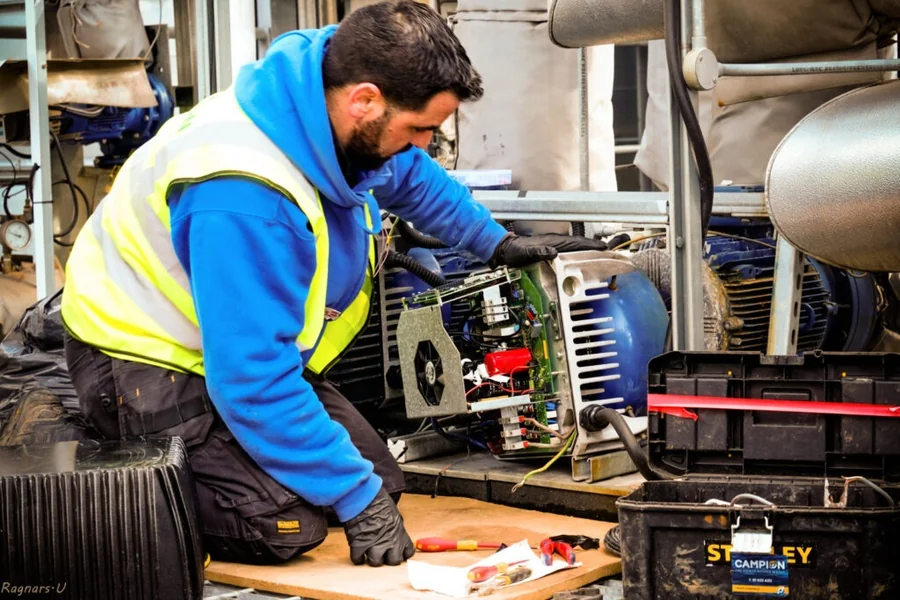
Water heaters get treated as invisible appliances until something goes wrong, and this out-of-sight mentality leads most homeowners to skip maintenance entirely until a failure forces attention. Sediment accumulates at the bottom of tank water heaters continuously, insulating the heating element from the water above it and forcing the unit to work harder to reach set temperatures. Regular water heater service that includes tank flushing removes this buildup before it significantly reduces efficiency, but many homeowners never schedule this simple maintenance step until sediment has already caused visible performance problems or unusual noises during operation.
This sediment issue compounds over time rather than staying static. A tank left unflushed for years accumulates enough sediment to reduce effective tank capacity, meaning a homeowner might notice their hot water running out faster than it used to, without realizing sediment buildup rather than actual equipment failure is causing the shortened supply. In harder water areas, this process accelerates considerably, making regular flushing even more important than in regions with naturally softer water that produces less mineral accumulation.
Anode Rods Fail Silently and Take the Tank Down With Them
Most homeowners have never heard of an anode rod, yet this inexpensive sacrificial component determines how long a tank water heater lasts before corrosion causes failure. The rod attracts corrosive elements in the water, deteriorating itself specifically so the tank’s steel lining doesn’t corrode instead. Once the anode rod fully depletes, this protection disappears, and the tank itself begins corroding from the inside, a process that’s invisible from outside the unit until it eventually causes a leak or catastrophic failure.
Replacing an anode rod costs a small fraction of what replacing an entire water heater costs, making this one of the highest-value maintenance items a service visit typically addresses. Yet because the rod sits inside the tank, invisible during normal operation, most homeowners have no way of knowing their rod needs replacement without a technician actually checking it. Water heaters that receive regular service, including anode rod inspection, frequently last years longer than identical units that never receive this attention, simply because the internal corrosion process that normally shortens tank life gets interrupted before it starts.
Warranty Requirements Often Depend on Documented Service History
Many water heater manufacturers include maintenance requirements within their warranty terms, a detail buried in paperwork that most homeowners never read closely at purchase. Failing to meet these documented service intervals can void warranty coverage entirely, leaving a homeowner responsible for the full cost of a covered repair or replacement that would otherwise have been handled under warranty. This becomes a costly surprise specifically when a major failure occurs and a homeowner discovers, only at that point, that their lack of documented maintenance history disqualifies them from coverage they assumed still applied.
Keeping consistent records of service visits protects against this scenario, providing documentation if a warranty claim ever becomes necessary. Homeowners who use different providers for each service visit, or who skip service for a year or two between appointments, sometimes struggle to produce a complete maintenance history when a manufacturer requests it during a claim dispute. Working with a consistent provider that maintains service records on a homeowner’s behalf removes this documentation burden, ensuring that if a covered failure does eventually occur, the paperwork trail supporting a warranty claim already exists rather than needing to be reconstructed after the fact.