What Busy Sushi Kitchens Should Automate First
 Johnathan Parker |
July 27, 2026 |
9:59 pm
Johnathan Parker |
July 27, 2026 |
9:59 pm
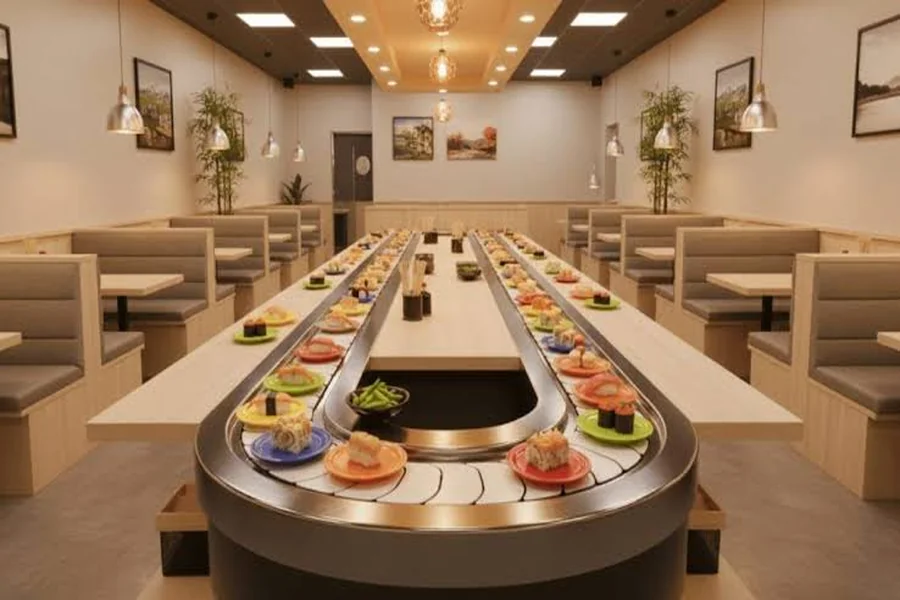
Automation works best when it removes repetitive tasks that slow service, create inconsistent results or place unnecessary strain on staff. Busy sushi kitchens should therefore prioritise high-volume preparation processes before investing in technology for occasional or highly specialised tasks. The right sequence protects food quality while allowing skilled employees to focus on knife work, presentation and customer orders.
Start With Rice Mixing and Portioning
Rice preparation should usually be the first area considered. During a busy service, employees must repeatedly mix cooked rice with seasoning, cool it correctly and divide it into consistent portions. Automating these stages can reduce handling time while helping the kitchen maintain a uniform texture and flavour across multiple batches.
When comparing commercial sushi machines and food processing equipment, restaurants should begin with their daily rice volume and peak production rate. A rice mixer, cooling unit or portioning machine must match the kitchen’s actual output without occupying more preparation space than necessary. Consistent portions also support yield control, meaning the kitchen can produce a more predictable number of servings from each batch.
Automate Nigiri Rice Forming Next
Nigiri production involves a simple but highly repetitive movement: forming seasoned rice into pieces of a consistent weight, shape and density. When order volumes rise, doing this entirely by hand can create a bottleneck and contribute to wrist and hand fatigue.
A nigiri-forming machine can prepare rice bases at a steady rate while chefs retain responsibility for slicing and placing the topping. This division of labour preserves the judgement required for delicate seafood while automating the standardised part of the process. Restaurants should still check that formed pieces hold together without becoming overly compressed.
Speed Up High-Volume Roll Production
Roll production is another strong candidate for automation, particularly when a menu contains large volumes of standard maki or takeaway rolls. Sushi sheet makers can spread rice evenly across nori, while roll cutters divide completed rolls into uniform pieces. Some systems combine several of these functions.
The priority should be the stage causing the greatest delay. A kitchen that rolls quickly but struggles to spread rice evenly may benefit from a sheet maker before purchasing a complete rolling system. Maintaining portion consistency at this stage can improve presentation and help control ingredient costs across hundreds of servings.
Introduce Automated Cutting Carefully
Cutting automation is most useful for repetitive, standardised products such as completed sushi rolls or prepared vegetables. Uniform cuts can improve presentation and make plating or packaging faster during peak periods.
However, automation should not replace skilled knife work where ingredient quality requires human assessment. Fish fillets differ in grain, firmness and fat distribution, so experienced chefs remain better placed to adjust their technique. Machines should handle predictable cutting tasks, while trained staff manage ingredients that require precision and judgement.
Streamline Packaging and Labelling
Restaurants serving takeaway orders, catering trays or retail-ready sushi may find that packaging becomes the final production bottleneck. Tray sealing, date labelling and order identification can take considerable time when several orders leave the kitchen at once. Larger retail operations may also use modified atmosphere packaging (MAP) to help preserve packaged maki sushi, although it requires suitable equipment and carefully controlled refrigeration.
Simple labelling or sealing systems can reduce repetitive work and improve batch traceability, which is the ability to identify when and how a food item was prepared. Any system introduced must support the restaurant’s food safety procedures, including appropriate allergen information, storage instructions and use-by controls.
Choose Automation Around the Bottleneck
The best first investment is not necessarily the largest machine. Managers should observe a full service period and identify where orders queue, staff wait or products need frequent reworking. Equipment should address that specific constraint and fit the available bench space, cleaning routine and staffing model.
Restaurants should also consider throughput, the amount of product a machine can process within a set period. A unit with excessive capacity may offer little practical benefit, while an undersized machine can simply move the bottleneck elsewhere.
Build a Faster Kitchen Without Losing Craft
Busy sushi kitchens should automate rice preparation first, followed by repetitive forming, rolling, cutting and packaging tasks according to their most persistent bottleneck. This approach delivers practical time savings while keeping skilled chefs focused on seafood handling, flavour, presentation and quality control. Automation is most valuable when it supports sushi craftsmanship rather than attempting to replace it.