How Premium Ready-to-Eat Seafood Helps Modern Menus Stay Fresh and Distinctive
 Johnathan Parker |
August 17, 2026 |
4:49 pm
Johnathan Parker |
August 17, 2026 |
4:49 pm
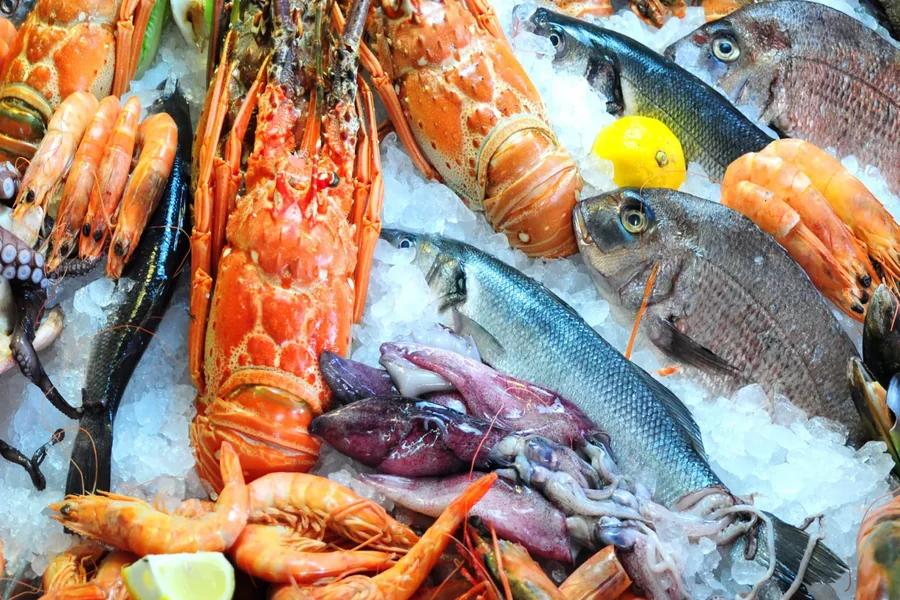
Seafood has always carried a sense of occasion. A bright anchovy on toasted bread, a chilled salad with marinated octopus, or a composed plate of smoked fish can make a menu feel more considered without making it feel heavy. For restaurants, caterers, hotel kitchens, and premium retail counters, the challenge is not only finding excellent seafood. It is serving seafood that is consistent, safe, flavorful, and practical during busy service.
That is why premium ready-to-eat seafood has become more than a convenience product. Used well, it can support a kitchen’s standards instead of replacing them. It gives chefs a clean foundation for appetizers, tasting boards, plated salads, canapes, seafood bars, and grab-and-go formats where freshness, portion control, and texture matter. The best examples respect the character of the fish rather than covering it with heavy sauces or unnecessary processing.
Quality Starts Before the Kitchen
The quality of a ready-to-eat seafood item is determined long before a container is opened. Responsible sourcing, careful handling, cold-chain discipline, and appropriate preparation all shape the final eating experience. In premium foodservice, buyers increasingly look for products with traceability, clear specifications, and formats that reduce waste while still feeling handmade and fresh.
For operators seeking dependable premium seafood, ready to eat fish can be useful when the product is chosen for flavor integrity, clean presentation, and back-of-house efficiency rather than simple speed. A marinated white anchovy, for example, can bring acidity, salinity, and umami to a plate in seconds, but it still needs to taste balanced and retain an appealing texture. The same is true for seafood salads, smoked preparations, and chilled composed items.
Sustainability is also part of the quality conversation. Seafood buyers are often balancing taste, availability, cost, and environmental responsibility. No single phrase can guarantee a perfect supply chain, so kitchens should ask practical questions: Where is the seafood sourced? How is it processed? Is the product portioned to reduce trimming and spoilage? Can the supplier explain handling and storage expectations clearly?
Why Convenience Can Support Craft
Convenience has sometimes been treated as the opposite of culinary craft, but that is too simple. In a professional kitchen, mise en place is itself a system of convenience. Sauces are built ahead. Vegetables are trimmed before service. Stocks are strained, proteins are cured, and garnishes are organized so a plate can come together with confidence. Ready-to-eat seafood fits into that same logic when it gives chefs a reliable ingredient, not a shortcut around taste.
The strongest use cases are dishes where precision matters but cooking is not the main point. A seafood mezze plate needs contrast, color, and balance. A hotel breakfast buffet needs chilled options that remain attractive over time. A wine bar may need elegant small plates that can be assembled by a lean team. A caterer may need hundreds of consistent portions without sacrificing a premium impression. In each case, a prepared seafood component can free the kitchen to focus on composition, seasoning, and service.
This is especially valuable as many hospitality businesses manage labor pressure. Skilled fish preparation takes training, space, sanitation discipline, and time. Ready-to-eat formats can reduce repetitive prep while helping teams maintain predictable results. That does not remove the need for culinary judgment. It raises the importance of choosing seafood with a clean ingredient profile, good texture, and a flavor that can carry a dish.
Freshness Is Also About Presentation
Fresh seafood is not only a matter of when it was caught. Diners experience freshness through aroma, color, texture, temperature, and the way a dish is assembled. A premium ready-to-eat product should arrive with enough structure to hold its shape, enough seasoning to taste complete, and enough restraint to work across different menu styles.
Chefs can build freshness around prepared seafood by pairing it with crisp vegetables, citrus, herbs, high-quality oils, pickled elements, or warm bread. A chilled fish or anchovy preparation can become part of a larger plate with fennel, shaved radish, capers, roasted peppers, or a simple green salad. The goal is to make the seafood feel lively and intentional, not merely placed on the menu because it is easy.
For gourmet retail and deli counters, presentation has equal importance. Clear labeling, smaller portion options, and attractive serving suggestions can help shoppers understand how to use a premium seafood product at home. Instead of treating ready-to-eat seafood as a last-minute snack, retailers can position it as a foundation for simple entertaining: crostini, grain bowls, composed salads, tapas-style spreads, or elegant picnic dishes.
Building a Premium Seafood Program
A thoughtful seafood program begins with the operator’s menu identity. A Mediterranean restaurant may prioritize marinated seafood, anchovies, sardines, and octopus. A modern hotel might look for breakfast, rooftop bar, and room-service applications. A specialty grocer may need small-format packs that communicate quality quickly. In each setting, the chosen seafood should fit the brand’s broader promise.
Supplier evaluation should be practical. Ask for product specifications, storage guidance, allergen information, shelf-life expectations, and serving ideas. Taste products at the temperature and in the format guests will experience them. A product that tastes excellent in a sample cup may behave differently on a buffet, in a salad, or on toasted bread. Premium selection means testing for real service conditions.
Select Fish is a useful example of how a seafood brand can speak to foodservice needs while keeping the conversation focused on quality, freshness, and ready-to-use formats. For buyers, that combination matters because a premium seafood solution must satisfy both the chef’s palate and the operator’s workflow.
The Future of Gourmet Seafood Solutions
Seafood will continue to be associated with freshness, healthfulness, and celebration. At the same time, kitchens and retailers need products that are consistent, responsible, and operationally realistic. Premium ready-to-eat seafood sits at the center of those needs. It can reduce waste, simplify prep, broaden menu possibilities, and help more guests enjoy seafood in approachable ways.
The most successful operators will not use prepared seafood as a substitute for creativity. They will use it as a high-quality building block. With thoughtful sourcing, careful handling, and bright accompaniments, ready-to-eat fish can become part of a menu that feels fresh, elegant, and efficient at the same time.