The Business of Skincare Innovation: How Research Operations Drive Cosmetic Breakthroughs
 Johnathan Parker |
August 26, 2026 |
3:54 pm
Johnathan Parker |
August 26, 2026 |
3:54 pm
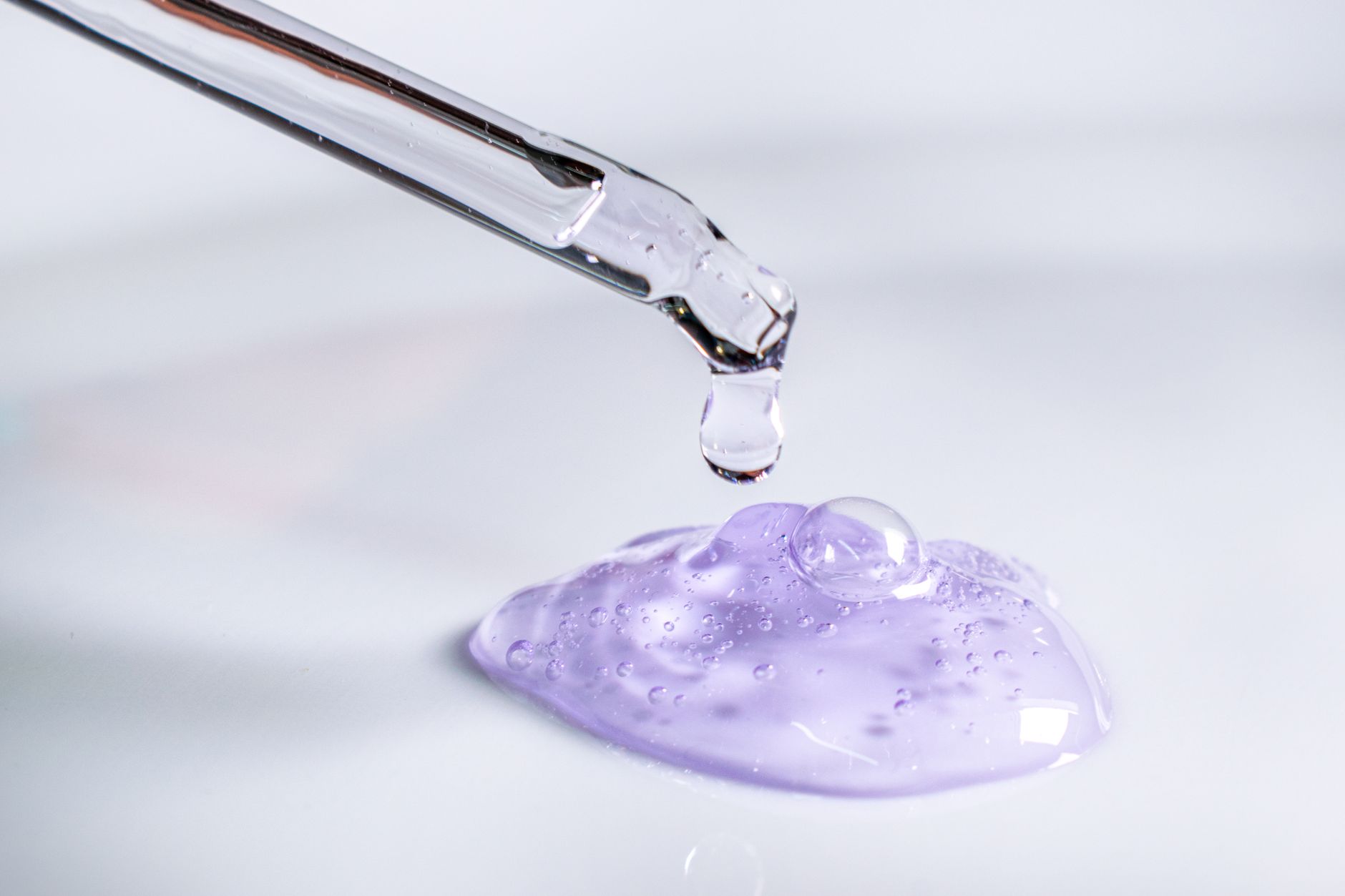
Laboratory benches look nothing like the polished glass counters in retail commercials. Pipettes click against stainless steel racks while magnetic stirrers hum beneath row after row of amber vials. Behind every topical serum claiming barrier repair or collagen preservation sits a grueling operational pipeline. Raw chemical synthesis rarely translates directly into shelf-ready cosmetic formulas. Stability trials grind forward across months of thermal stress testing, freezing cycles, and light exposure. Regulatory frameworks shift underneath formulators before batch samples even clear initial analytical panels.
Securing high-purity compounds remains the primary operational bottleneck for bench scientists. Minor impurities skew binding assays and throw off high-performance liquid chromatography peaks. Procurement managers chase certificates of analysis like rare historical artifacts. When raw synthesis yields drop below acceptable purity thresholds, entire quarterly development timelines fracture. Bench labs cannot publish data or file patent applications without reproducible baseline samples.
Supply chain friction slows down discovery cycles far more than theoretical roadblocks. Researchers studying cell-line viability need consistent lot numbers to map cellular receptor uptake accurately. Batch-to-batch variance ruins months of baseline data collection. Precision work demands identical starting materials across every single replication.
[Target Sequence Identification]
│
▼
[Analytical Purity Verification (HPLC/MS)]
│
▼
[In Vitro Cell Culture Screening]
│
▼
[Formulation Stability & Emulsion Integration]
│
▼
[Safety & Franz Cell Diffusion Testing]
Investigating subtle cellular signaling pathways requires constant access to verified experimental substrates. Investigators testing how signaling molecules interact with extracellular targets routinely order laboratory research peptides at Elivena to maintain strict purity parameters during early-stage in vitro assays. Reviewing this online catalog allows lab directors to compare molecular weights, sequence verifications, and analytical mass spectrometry profiles across available test items. Having a predictable supply of standardized research materials prevents costly experimental delays caused by degraded or unverified raw substances. Experimental validity depends entirely on knowing the exact chemical profile of every compound introduced to a culture plate.
Commercial viability demands a delicate balancing act between chemical stability and raw active performance. Peptides degrade rapidly when exposed to fluctuating pH levels or ambient room heat. Formulators must engineer complex delivery networks—or lipid carrier systems—just to keep fragile molecules intact long enough to penetrate the outer epidermal layers. These delivery mechanisms introduce their own complex manufacturing hurdles. Scaling up a batch from a fifty-milliliter glass beaker to a five-hundred-liter industrial mixing vessel completely alters thermal dissipation rates.
Regulatory bodies maintain strict oversight on claims made regarding topical formulations. The U.S. Food and Drug Administration maintains distinct statutory frameworks for cosmetics versus drug products. If a topical product claims to physically alter skin structure or function, regulators classify it as a drug, requiring full clinical testing pipelines. Marketing teams constantly push for aggressive promotional language, while regulatory compliance officers hold the line. This internal corporate friction shapes the final box label far more than most consumers realize.
Clinical investigators design double-blind studies to evaluate transepidermal water loss and skin elasticity over multi-week periods. Laser Doppler imaging measures microcirculation changes following topical application. These trials consume massive amounts of capital. Independent labs frequently partner with contract research organizations to run patch testing and human subject panels under standardized clinical conditions.
Formulating Under Regulatory and Operational Constraints
Translating cell culture success into a commercially viable skin serum involves jumping over steep financial cliffs. Venture capital partners demand rapid product iterations. Basic biochemical science, however, moves on a much slower timeline. Cultivating stable emulsions takes patience.
Dissolved active ingredients often precipitate out of solution after two weeks inside a heated freight container. Formulators must carefully adjust surfactant ratios, add chelating agents to neutralize trace metal ions, and test non-traditional preservative systems. Trace metals catalyze rapid oxidation reactions that turn clear topical solutions yellow overnight. Every minor formulation tweak alters how the final cream feels on human skin.
Consumer expectations complicate formulation chemistry even further. Buyers want clean label listings without accepting greasy textures or short shelf lives. Preserving a water-based formula without parabens forces reliance on organic acid blends. These alternative preservative systems cost significantly more and require extremely tight pH ranges to prevent bacterial growth.
Economic realities dictate that breakthrough molecules remain locked in laboratory notebooks if production costs exceed market thresholds. Chemical engineers tweak reactor temperatures and solvent ratios to drive down per-gram synthesis costs.
Intellectual property strategy protects these multi-million-dollar research investments. Competitors frequently tweak single amino acid positions to sidestep existing composition-of-matter patents. This drives a relentless cycle of incremental innovation across the industry.
True cosmetic breakthroughs occur where analytical chemistry, supply chain execution, and regulatory compliance intersect. Without reliable access to verified investigative materials, the scientific pipeline grinds to a halt. Cosmetic innovation moves forward one stable batch at a time.
Formulation and Operational Variables in Research Scaling
|
Development Variable |
Early Bench Phase |
Industrial Scale-Up Phase |
Primary Control Metric |
|
Material Purity |
Microgram synthesis runs |
Kilogram commercial lots |
High-Performance Liquid Chromatography ($>98%$) |
|
Thermal Stability |
Centrifuge & bench heat blocks |
Bulk tank jacket cooling |
Zero phase separation after 12-week cycling |
|
Active Delivery |
Direct aqueous dissolution |
Encapsulated lipid vesicles |
Franz cell diffusion depth through stratum corneum |
|
Preservation System |
Sterile bench filtering |
Multi-component organic acids |
Zero microbial growth via USP panel challenge |
|
Regulatory Clearance |
Internal safety assessments |
Statutory cosmetic vs. drug filing |
Structure-function claim compliance |
The financial risks in topical product development are concentrated heavily in the transition from benchtop assays to pilot manufacturing runs. A molecule can show exceptional promise in an isolated cell culture, only to fail completely when mixed into a complex oil-in-water emulsion. If the emulsion breaks under stress, the active ingredient settles at the bottom of the container, rendering the product useless.
Overcoming these manufacturing hurdles requires continuous testing across every phase of production. Formulators run accelerated stability trials, storing test batches at elevated temperatures to simulate months of real-world shelf storage in just a few weeks. If an active ingredient breaks down by more than five percent during these accelerated tests, the formulation goes back to the drawing board.
Navigating the regulatory landscape presents an ongoing challenge for research operations. The Personal Care Products Council offers extensive guidelines on ingredient safety assessments, yet compliance requirements differ sharply between international jurisdictions. European regulatory bodies prohibit hundreds of cosmetic ingredients that remain legal in other global markets. Global cosmetic brands must either adjust their formulations for different regions or build a single product that meets the world's strictest regulatory standards.
Ultimately, successful skincare research relies on seamless cooperation between bench scientists, chemical engineers, supply chain directors, and regulatory specialists. When these operational disciplines align, lab discoveries transition into reliable, high-performance formulations. The long journey from analytical assays to finished products underscores the rigor behind modern cosmetic science.