Microneedling Courses in Texas: A Complete Guide for Aspiring Estheticians
 Johnathan Parker |
September 18, 2026 |
3:43 pm
Johnathan Parker |
September 18, 2026 |
3:43 pm
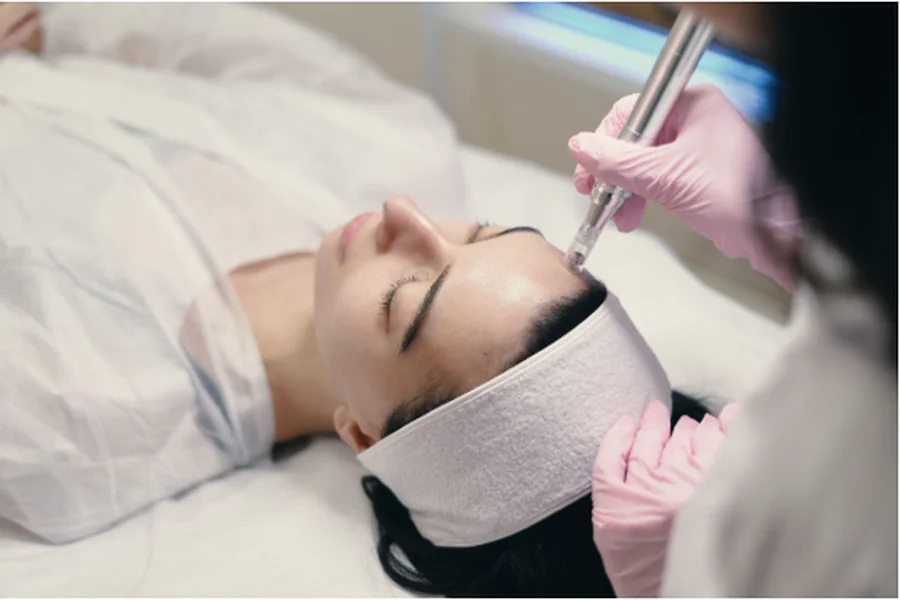
Microneedling has become one of the most requested skin treatments in Texas med spas and skincare clinics. For estheticians, nurses, and career-changers, that demand creates real opportunity, but only for those who train properly. Choosing among the many microneedling courses available today means understanding not just technique, but the legal and safety framework surrounding this treatment in Texas.
This guide breaks down what to look for in a training course, what Texas law actually requires, and how to tell a program built for long-term success apart from one that leaves you underprepared.
Why Microneedling Demand Is Rising in Texas
Consumer interest in minimally invasive skin treatments has grown steadily, and microneedling sits near the top of that list because it treats acne scarring, fine lines, and uneven texture with relatively little downtime. Texas, with its fast-growing med spa industry and large population centers, has become a hub for this kind of treatment.
The broader outlook for skincare careers supports this trend. The U.S. Bureau of Labor Statistics projects employment for skincare specialists to grow about 7 percent between 2024 and 2034, with roughly 14,500 openings expected each year nationwide. Median pay for the profession reached nearly $20 an hour in 2024, and specialists who add advanced skills like microneedling typically command higher rates than those offering facials alone.
For Texas practitioners, that growth builds a genuine business case for investing in a microneedling class, provided it’s paired with a clear understanding of what the law allows.
What Qualifications Do You Need for Microneedling?
Before enrolling in any microneedling training for estheticians, it helps to know the baseline qualifications most programs expect. Reputable schools typically require:
1.An active esthetician, cosmetology, or nursing license in good standing
2. Basic knowledge of skin anatomy and the layers of the epidermis and dermis
3. Comfort with sanitation and infection-control protocols, since microneedling breaks the skin barrier
4. Willingness to complete hands-on practice hours under supervision, not just online modules
Some programs also look for prior experience with facials or peels, since this background makes skin assessment easier to grasp. A strong microneedling training course evaluates your readiness rather than simply accepting anyone who can pay the tuition.
What Kind of License Do You Need to Do Microneedling?
This is where Texas rules get specific, and it’s an area many prospective students misunderstand. A standard Texas esthetician license, issued by the Texas Department of Licensing and Regulation after 750 hours of approved training, covers surface-level services such as facials, extractions, and superficial peels.
Microneedling is different. Because it penetrates or removes living tissue, Texas classifies it as a nonsurgical medical cosmetic procedure under Texas Medical Board oversight, not a standard cosmetology service. In practice, this means an esthetician generally cannot perform microneedling independently on a cosmetology license alone. It must be performed under a physician’s delegation and written protocol, often in a medical spa where a physician or qualified midlevel provider is available for supervision.
Registered nurses and other licensed medical professionals typically have more direct pathways to performing microneedling, though they too usually operate under a physician’s standing orders. Anyone considering this path should:
1. Confirm current TDLR and Texas Medical Board rules before enrolling in a course
2. Ask a prospective employer or training provider how physician delegation works at their facility
3. Avoid any program claiming a certificate alone grants legal authority to practice, since state rules govern scope of practice, not a training certificate
Because these rules can shift, confirm current requirements with TDLR or the Texas Medical Board directly.
How Do I Get Certified to Do Microneedling?
Getting certified generally follows a similar sequence across reputable microneedling courses, though details vary by provider. Most paths include:
1.Verifying your existing license meets the program’s prerequisites
2. Completing coursework on skin physiology, device technology, and safety standards
3. Practicing technique under instructor supervision, ideally on live models rather than synthetic skin alone
4. Learning pre- and post-treatment protocols, including how to screen for contraindications like active acne, certain medications, or pregnancy
5. Passing a competency evaluation and receiving a certificate of completion
Texas-based programs can structure microneedling training around real clinical practice rather than lecture time alone. When comparing options, ask how many live practice hours are included, since watching a demonstration is not the same as performing the procedure yourself under professional guidance.
How Long Does It Take to Get Certified in Micro Needling?
Timelines vary with program depth. A basic introductory microneedling class might run a single intensive day, while a comprehensive certification spanning device operation, skin assessment, and advanced protocols can take several days to a few weeks with practicum hours included.
Generally, students can expect:
1.One-day workshops: fast overview, best for those adding a single service to an existing skill set
2. Multi-day certifications: deeper coverage of safety, contraindications, and live-model practice
3. Extended programs with mentorship: several weeks to a few months, ideal for career-changers with no prior skincare background
Realistically, the certification is only the starting point. Building genuine confidence with the device and managing client expectations tends to take several months of supervised practice after the course ends.
What Separates a Strong Program From a Subpar One
Not all microneedling training courses are created equal, and the gap between a strong program and a weak one often shows up in the details rather than the marketing. Key factors to evaluate include:
1.Hands-on hours. Programs weighted toward live practice produce more confident practitioners.
2. Instructor credentials. Look for trainers with active clinical experience, not just a certification of their own.
3. Class size. Smaller cohorts mean more individual feedback.
4. Curriculum depth. A thorough course covers skin assessment, device settings, sanitation, and aftercare, not technique alone.
5. Post-course support. Some programs offer mentorship for questions after graduation.
A program that rushes through safety content or skips live-model practice may look cheaper upfront but often costs more later in client complications or the need for supplemental training.
Safety, Skin Assessment, and Aftercare Matter Most
Because microneedling breaks the skin barrier, safety protocols aren’t optional extras. A well-designed course spends real time on sanitation between clients, cartridge disposal, and recognizing when a client’s skin condition makes treatment inadvisable.
Aftercare education matters just as much. Clients need clear guidance on sun protection, product use, and realistic healing timelines, since poor aftercare causes bad outcomes even when the procedure itself was done correctly. Practitioners who take these fundamentals seriously build stronger client trust and steadier referrals over time.
Building a Career That Lasts
Choosing among the many microneedling courses on the market comes down to matching a program’s depth to the realities of practicing in Texas. Licensing rules, training quality, and a genuine commitment to safety matter more than a fast certificate or a low price tag.
For estheticians and nurses weighing their next step, the real question isn’t just how quickly you can get certified. It’s whether the training you choose gives you the judgment, legal clarity, and hands-on skill to serve clients safely for years to come.