What Questions Should You Ask Before Getting Liposuction?
 Johnathan Parker |
September 16, 2026 |
11:08 am
Johnathan Parker |
September 16, 2026 |
11:08 am
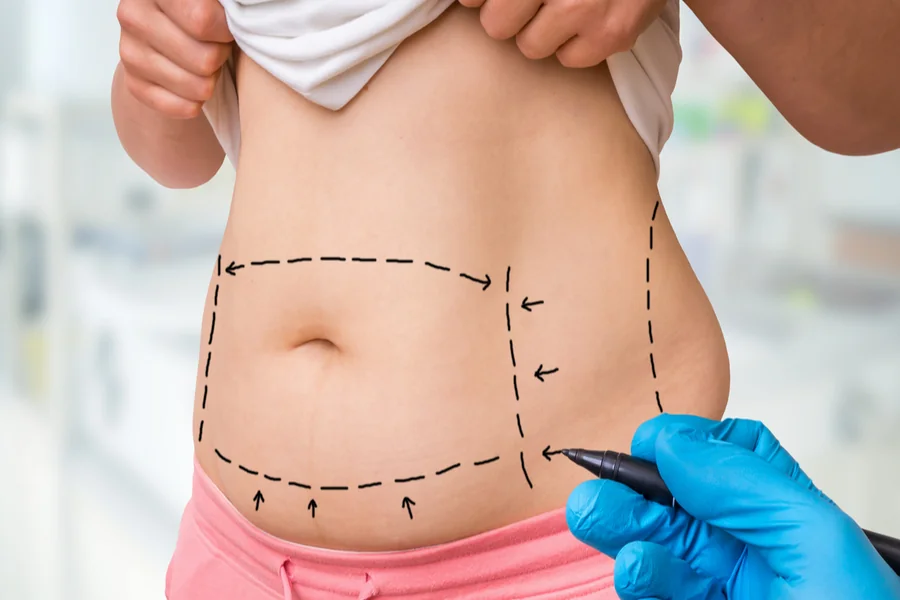
Most people walk into a liposuction consultation with a picture in their head and not much else. They know the area that bothers them, they have scrolled through before and after galleries for weeks, and they carry a rough number in mind for what the whole thing might cost. What they rarely bring is a list of questions, which is a shame, because the consultation is the one stage of the process where the patient holds real leverage.
A good surgeon expects to be interviewed. Ask enough of the right things and the appointment stops feeling like a sales meeting and turns into an honest assessment of whether the procedure suits your body, your health, and the downtime you can actually afford. Ask nothing, and you leave with a quote and a date on the calendar, but no genuine understanding of what you just agreed to.
The questions worth asking are not always comfortable, especially the ones about complications and money. Ask them anyway. A surgeon who bristles at a direct question about their own revision rate has told you something valuable, and it costs nothing to find out early.
Credentials, Case Volume, and Honest Photographs
Board certification is the first filter, and it is not interchangeable with a medical license. Plenty of physicians can legally offer body contouring without ever having completed a surgical residency in the field, so ask which board certified the surgeon, and ask what that certification actually required. Then narrow it. How many liposuction cases does this surgeon handle in a year, and how many involve the specific area you want treated? Abdomen, flanks, inner thighs, and the small pocket under the chin all behave differently, and experience with one does not automatically transfer to another.
Photographs are the second filter. Ask to see the surgeon’s own patients rather than a manufacturer’s stock gallery, and ask for people with a build and a starting point close to yours. Consistent lighting, consistent angles, no flattering posture changes between the two shots. Ask about the cases that did not go smoothly too. Every experienced surgeon has a revision rate, and the ones willing to quote theirs out loud are usually the ones worth booking.
What the Procedure Can and Cannot Change
Liposuction removes localized fat deposits that have resisted diet and training. It is not a weight loss operation, it does not treat loose skin on its own, and it will not fix a contour problem that comes from muscle separation rather than fat. Ask the surgeon to point at your body and say plainly which parts will change and which will not.
Skin elasticity deserves its own question. If the skin over a treated area no longer snaps back, removing volume underneath can leave it looking looser than before, and the honest answer may be that a different procedure suits you better. Some patients also learn during a consultation that removed fat can be purified and used elsewhere, which is the basis of fat grafting, so it helps to understand the full range of surgical techniques on offer before committing to one plan.
Anesthesia, Facilities, and Safety Planning
Ask who provides your anesthesia and what their qualifications are, because that answer varies enormously between practices. The American Society of Anesthesiologists advises patients to confirm that anesthesia care is led by a physician anesthesiologist, and to talk through medications, supplements, sleep apnea, and any past reaction to sedation well before the procedure date.
Then ask where the surgery happens. An office-based operating room is perfectly reasonable when it is properly accredited, and accreditation bodies such as QUAD A require facilities to meet defined standards for staff credentials, equipment, and emergency response before they earn recognition. Ask what emergency medications and equipment sit in the room, ask what the plan is if something goes wrong, and ask which hospital they would transfer you to. A practice that has thought this through will answer in seconds.
Recovery, Timelines, and the Complete Bill
Recovery questions get skipped constantly, then dominate the following month. Ask how long the compression garment stays on, whether drains are used, when you can drive, when you can lift, and when you can return to work. Swelling masks the outcome for a long stretch, so ask when the surgeon expects the final contour to settle, and expect an answer measured in months rather than weeks.
Money deserves the same directness. A quoted price may or may not include the facility fee, the anesthesia fee, garments, lab work, and follow-up visits, and it may or may not cover a touch-up if one is needed. Ask for the breakdown in writing. When you compare one liposuction toronto clinic with another, comparing the full figure against the full figure is the only way the numbers mean anything, and the cheapest headline price is often the one hiding the most extras.
Leaving With a Real Answer
The point of all this is not to catch anyone out. It is to leave the room with a clear, specific picture of what will happen to your body, who will be in the room while it happens, how long you will feel rough afterward, and what the entire thing costs. If you have that, you can make the decision calmly, and you can make it at home rather than under the mild pressure of a booking desk.
Write your questions down before you go, and take notes while you are there. Consultations move quickly, reassurance is easy to remember and detail is not, and a written answer is far more useful a week later when you are weighing two surgeons against each other.
Good candidates for liposuction tend to be people at a stable weight with firm skin and a specific, stubborn area they cannot shift. If that describes you and the answers you get are consistent, detailed, and unhurried, you are probably in the right place.