How Freedom Lawns Helps Create A Healthier, Greener Yard
 Johnathan Parker |
October 26, 2026 |
12:08 pm

You can water your lawn, mow it on schedule, and still wonder why it looks tired instead of fresh and green. Weeds may keep appearing, thin areas may spread, or brown patches may develop despite your efforts. Lawn health depends on more than surface care, since soil, weather, pests, and grass type all play a role.
The good news is that you do not have to keep guessing or trying random products. Freedom Lawns can assess your lawn’s needs and create a plan that supports healthier growth. From improving soil and feeding grass to managing weeds, pests, and weak areas, several steps can work together.
Here is how Freedom Lawns puts those steps into practice.
1. Nourish the Soil for Healthier and Greener Grass

If you want greener grass, start with what is happening underneath it. Grass needs healthy soil to grow strong roots, but poor nutrients, pH problems, and drainage issues can hold it back. Testing the soil can reveal more than simply looking at the grass color.
For example, Richmond lawns may face clay-heavy soil, changing weather, and drainage problems that affect growth. Once you understand the issue, you can choose treatments that fit the soil. Depending on its needs, that may include organic-based fertilizer, compost, lime, or sulfur.
This is the approach used by Freedom Lawns of Richmond, where lawn conditions are considered before creating a treatment plan. When soil gets proper support, roots can take in water and nutrients more effectively. That gives your lawn a better chance to grow thicker, stronger, and greener.
2. Strengthen Turf with Customized Fertilization
Your lawn does not need the same care every month. As seasons change, grass growth changes too, and fertilizer needs depend on grass type, soil, weather, and lawn condition. Applying more fertilizer is not always the answer when another issue is causing the problem.
A better plan begins by checking what the lawn actually needs. Regular inspections can show whether grass needs nutrients or whether another concern is limiting growth. This makes it easier to adjust care instead of treating every lawn the same way.
Freedom Lawns uses a customized approach to lawn fertilization. Giving grass the right nutrients at the right time supports healthy color and stronger roots. It can also help turf handle everyday stress, so your lawn looks healthier without guesswork.
3. Protect Grass from Weeds, Pests, and Lawn Disease
Even a well-fed lawn can struggle when weeds, insects, or disease start taking over. You might notice a few weeds along the edges at first, but they can spread and compete with grass for water and nutrients. Insects and lawn diseases can cause their own damage, sometimes before you realize there is a problem.
The important thing is to deal with each problem based on what is causing it. Pre-emergent treatments can help stop certain weeds before they appear, while post-emergent treatments deal with weeds that are already growing. Pest and disease treatments can also target issues such as grubs, chinch bugs, armyworms, fire ants, ticks, and fungal diseases.
A regular monitoring process helps identify lawn problems early and choose the right treatment for the situation. Freedom Lawns focuses on targeted care that helps protect healthy turf instead of using the same solution for every yard. When weeds, pests, and disease are managed properly, your grass has a better chance to stay thick, green, and resilient.
4. Grow Thicker Turf Through Aeration and Seeding
If your lawn has thin spots or bare patches, adding fertilizer may not be enough to bring it back. Compacted soil can make it difficult for air, water, and nutrients to reach the grass roots. Aeration helps by opening up the soil so those essentials can move more easily through the root zone.
Once the soil is ready, seeding can help fill areas where grass is too thin to spread on its own. The right seed and proper follow-up care can give new grass a better chance to take root and become part of the existing lawn. This makes aeration and seeding useful for lawns that need more than basic feeding.
By combining aeration and seeding with proper lawn care, Freedom Lawns helps improve weak areas and encourage thicker turf growth. A fuller lawn can leave less room for weeds while handling regular use and changing weather more effectively. These steps can help transform a thin-looking yard into a stronger and healthier outdoor space.
5. Maintain a Healthy Landscape with Year-Round Plant Care

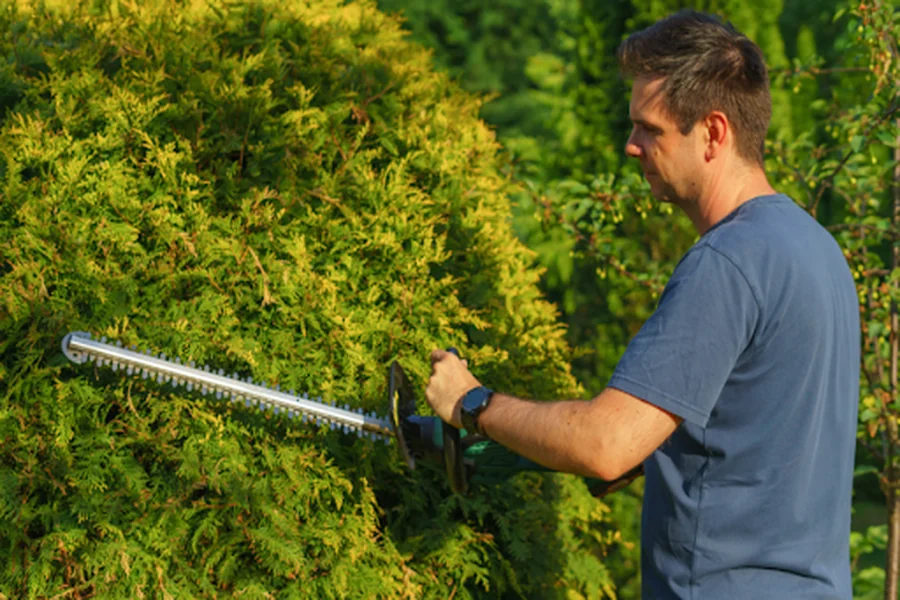
Your lawn may be the biggest part of your yard, but it is not the only part that needs attention. Trees, shrubs, and other plants can also develop problems with insects, disease, poor nutrition, or changing weather. If those plants are ignored, the overall health and appearance of your outdoor space can suffer.
That is why plant care can be an important part of a complete yard-care plan. Regular checks, fertilization, pest management, disease treatment, and soil testing can help keep plants in better shape. Seasonal attention also makes it easier to notice a problem while it is still small.
A complete approach to lawn and landscape care helps keep every part of your outdoor space working together. Freedom Lawns supports plant health by addressing the needs of trees, shrubs, and other greenery along with turf care. With consistent attention, you can maintain a healthier yard that looks better throughout the changing seasons.
Conclusion
A healthier, greener yard does not usually happen because of one quick fix. It comes from knowing what your lawn needs and taking care of those needs before small problems turn into bigger ones, which is the approach Freedom Lawns follows in its lawn and landscape care.
When you give attention to the soil, grass, pests, weeds, and plants around your home, each part can support the others. With consistent care and the right treatments from Freedom Lawns, you can build a yard that looks better, grows stronger, and stays easier to manage throughout the year.