How to Revisit Weight Goals During Menopause
 Johnathan Parker |
October 17, 2026 |
8:54 pm
Johnathan Parker |
October 17, 2026 |
8:54 pm
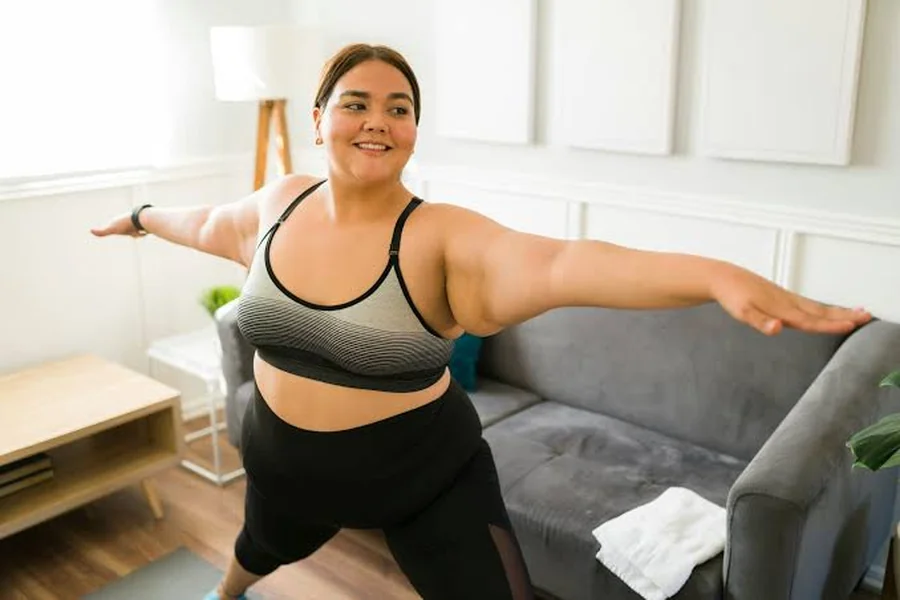
You may need to adjust your weight goals during menopause. If your weight is changing despite familiar eating and exercise habits, it can be frustrating to keep chasing a number that once felt manageable.
Menopause can affect where your body stores fat. And aging can make maintaining muscle harder. A useful reset starts with what feels realistic for your body and life now.
So, let’s explore the key ways to revisit weight goals during menopause.
Reset Your Weight Goals During Menopause
Start by asking what you want a weight change to help you do. Feeling stronger, moving comfortably, or improving a health marker gives your goal more meaning than simply wanting to return to an old clothing size.
Look at your current routines before choosing a target. Consider your activity level, eating patterns, sleep, and any symptoms that make healthy habits harder to maintain.
According to Mayo Clinic, weight changes can begin as you age, even before menopause. And muscle loss deserves attention during weight management. For you, that means a useful goal should account for strength and nourishment, rather than focusing only on losing weight.
Choose an initial goal you can review after several weeks. For instance, you might focus on establishing regular meals or completing planned workouts before deciding whether your weight target needs adjusting – and how much.
Choose the Right Support
Review whether your current support covers the concerns you have. A plan focused only on food tracking may leave you wanting help with menopause symptoms or changing nutritional needs.
When reviewing weight loss support, choose a menopause weight management support hub if you also need menopause information, rather than relying on advice that treats these concerns separately.
Weight Watchers, for example, offers tailored nutritional guidance, recipes, articles, fitness videos, and community support through its menopause support offering. Those resources provide different ways to work on habits.
Before choosing support, write down your priorities. You may need:
1.Guidance that fits your food preferences
2. Movement options suited to your starting point
3. Space to discuss menopause concerns
Use those priorities to judge whether a program fits your life. Your revised goal should feel supported by the resources available, rather than dependent on willpower alone.
Adjust Your Eating Habits to Help Maintain Muscle
Reconsider goals that reward eating as little as possible. During a weight-loss effort, maintaining muscle deserves attention alongside any change in body weight.
Adequate protein and resistance exercise can help protect muscle during weight loss. Instead of immediately setting a stricter calorie target, review whether your meals regularly include protein-rich foods such as beans, eggs, fish, tofu, or yogurt.
Choose one manageable adjustment, such as adding a protein source to breakfast. If you have dietary restrictions or a medical condition, ask a qualified clinician or registered dietitian to help personalize your approach.
Set Movement Goals That You Can Repeat
Build an activity goal around your current ability, not your most active year. A routine you can repeat is a more useful starting point than an ambitious schedule you dread.
Work toward at least 150 minutes of moderate-intensity activity each week, alongside regular resistance training. Treat that recommendation as a direction to work toward, with activities and progression suited to your health and experience.
If you are starting from little activity, choose a manageable walking routine and learn a few strength exercises. Ask for professional guidance if pain, balance concerns, or unfamiliar equipment make starting difficult.
Track actions you can control, such as completing planned sessions or gradually improving your technique. Those measures give you something concrete to recognize even when your weight stays unchanged.
Review Health Markers Beyond Your Weight
Decide in advance how you will assess progress. Weight can remain one measure without becoming the only verdict on whether your efforts matter.
Blood pressure commonly rises after menopause, with several factors potentially contributing. Ask your clinician which health markers are relevant to you, rather than assuming a particular weight tells the whole story.
You can also record practical changes, such as feeling stronger during everyday tasks or finding your meal routine easier to maintain. Keep those observations separate from promises about how quickly your body should change.
At each review, ask whether the plan remains manageable and whether your goals still fit. Adjust the approach before responding to disappointment with harsher restrictions.
Putting Revised Weight Goals into Practice
Revisiting weight goals during menopause means choosing measures that reflect your health, routines, and priorities now. Keep nourishment, strength, appropriate support, and regular reviews in the picture alongside your weight.
Hopefully this article has been helpful in assisting you to take the right first steps toward managing weight goals during the menopause. If it has been helpful, then take a moment to check out some of our other interesting and informative posts.