Portable Power Station Features That Matter Most in 2026
 Johnathan Parker |
July 9, 2026 |
9:07 pm
Johnathan Parker |
July 9, 2026 |
9:07 pm
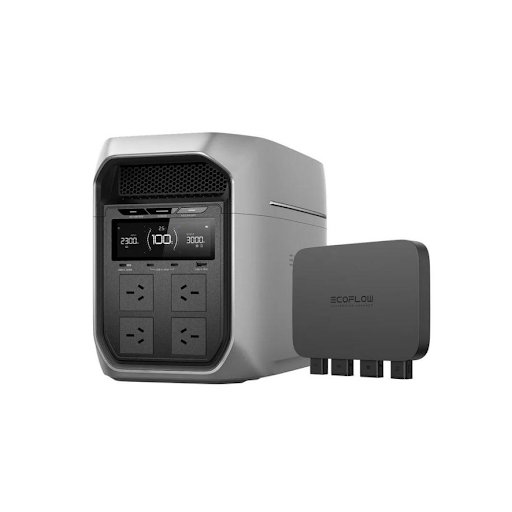
Portable power station features matter more in 2026 because buyers expect more than emergency charging or occasional campsite use. These units now support home backup planning, outdoor cooking, mobile work setups, content creation, and everyday convenience during outages or travel. That shift makes feature quality more important than headline wattage alone. A good portable power station should charge quickly, run essential devices reliably, protect batteries over years of use, and offer outputs that match real equipment. It should also fit how people actually use power: short outages, weekend trips, van travel, remote workdays, and modular backup at home. Comparing the right features helps buyers avoid paying for capacity they do not need while making sure they get performance, safety, and flexibility that still make sense several years from now.
Why Portable Power Station Features Matter More Than Ever
How User Needs Have Changed in 2026
User expectations have become more specific because portable power stations now serve very different jobs. Homeowners want quiet backup for essentials during grid interruptions. Campers and overlanders want lighter systems with fast solar input and enough output for cooking gear, lights, and portable fridges. Remote workers need clean, uninterrupted power for monitors, laptops, networking equipment, and charging accessories. Many buyers also want a product that can move between roles instead of staying locked into one scenario. That has made portability, recharge flexibility, and usable output mix more important than raw storage alone. People also pay closer attention to daily usability, such as display readability, cable management, app-based monitoring, and charging from wall, car, or solar sources without confusion.
Which Features Deliver Long-Term Value
The features that hold value best are the ones that affect performance over years, not just during the first week of ownership. Battery longevity is a leading example. Chemistries designed for higher cycle life generally support more regular use before noticeable capacity loss. Fast recharging also adds long-term value because it lets the unit recover quickly between outages, travel days, or work sessions. Safety design matters just as much, especially battery management systems, temperature control, and protection against overcharging, overcurrent, and short circuits. Expandability is another smart feature because it allows users to add capacity later rather than replacing the entire system. Finally, practical outputs and good software support keep a unit useful as device needs change. A power station that is easy to monitor, update, and adapt will usually outlast one built around a single use case.
The Essential Features Worth Comparing Before You Buy
Battery Performance, Charging Speed, and Safety
Battery performance is the foundation of any portable power station. In 2026, buyers should look closely at usable capacity, battery chemistry, cycle life, and how well the system maintains output under load. Longer-life battery designs are especially valuable for users who plan to charge and discharge regularly rather than keep the unit only for emergencies. Charging speed is equally important because a large battery is less helpful if it takes too long to refill after an outage or travel day. Multiple recharge methods, including AC, car input, and solar input, improve flexibility and reduce downtime. Safety deserves the same attention as performance. A quality battery management system should monitor voltage, current, and temperature continuously while protecting against overload, overcharge, deep discharge, and short circuits. Good thermal control helps maintain stable operation and battery health, while pure sine wave AC output is important for running sensitive electronics cleanly and reliably.
Output Options, Expandability, and Smart Controls
Output variety determines how useful a power station feels in real life. A strong port mix usually includes AC outlets, USB-A, fast-charge USB-C, and regulated DC options so users can power everything from phones and cameras to routers, lights, and appliances without extra adapters. Expandability also matters more in 2026 because many buyers want a system that can grow. A unit that supports additional battery capacity can serve as a travel solution now and a stronger home backup option later. Smart controls add another layer of value. App connectivity, remote monitoring, battery status tracking, input and output adjustment, and firmware updates make the system easier to manage and maintain. Clear screens are still important, but software can simplify charging schedules, energy monitoring, and troubleshooting. These features do not replace strong hardware, yet they make ownership smoother. The best portable power station balances useful ports, scalable design, and intuitive controls so the unit remains practical as energy needs become more complex.

Matching Features to Different Power Needs
Home Backup, Outdoor Adventures, and Remote Work
For home backup, prioritize battery longevity, strong AC output, fast wall charging, and clear safety protections. These features help the unit stay ready and recover quickly between outages. For outdoor use, portability, durable construction, solar charging compatibility, and a useful mix of DC and USB ports matter most. Campers and travelers often benefit more from efficient charging and manageable weight than from oversized capacity. For remote work, stable pure sine wave output, quiet operation, USB-C laptop charging, and enough capacity for routers, displays, and accessories should lead the decision. Smart monitoring is especially helpful here because it gives users visibility into runtime and remaining power during long sessions away from fixed power.
Choosing the Right Capacity Without Overspending
The smartest way to choose capacity is to calculate what you actually need to power and for how long. Start with essential devices, note their wattage, and estimate likely runtime. That quickly reveals whether you need a compact station for charging electronics, a mid-size unit for mixed use, or a larger expandable setup for backup duties. Output rating matters as much as capacity because some appliances need higher starting or continuous power. Buying extra capacity can be useful, but only when it supports a real use case. In many cases, faster recharging, better battery life, or more useful ports will improve ownership more than a larger battery alone. Spend first on features that increase usability and lifespan, then add capacity where it delivers clear practical benefit.
Conclusion
The portable power station features that matter most in 2026 are the ones that improve real-world performance: durable battery technology, fast and flexible charging, strong safety systems, practical outputs, expandability, and smart controls. These features determine whether a unit stays useful through outages, trips, and daily work instead of feeling limited after a few months. Buyers should compare how a power station charges, what it can run, how safely it operates, and whether it can grow with future needs. When features are matched to actual power habits, the result is better value, better reliability, and a system that works when it matters most.