Best eSIM for Japan: How to Choose the Right Plan Before You Land
 Johnathan Parker |
July 3, 2026 |
12:22 pm
Johnathan Parker |
July 3, 2026 |
12:22 pm
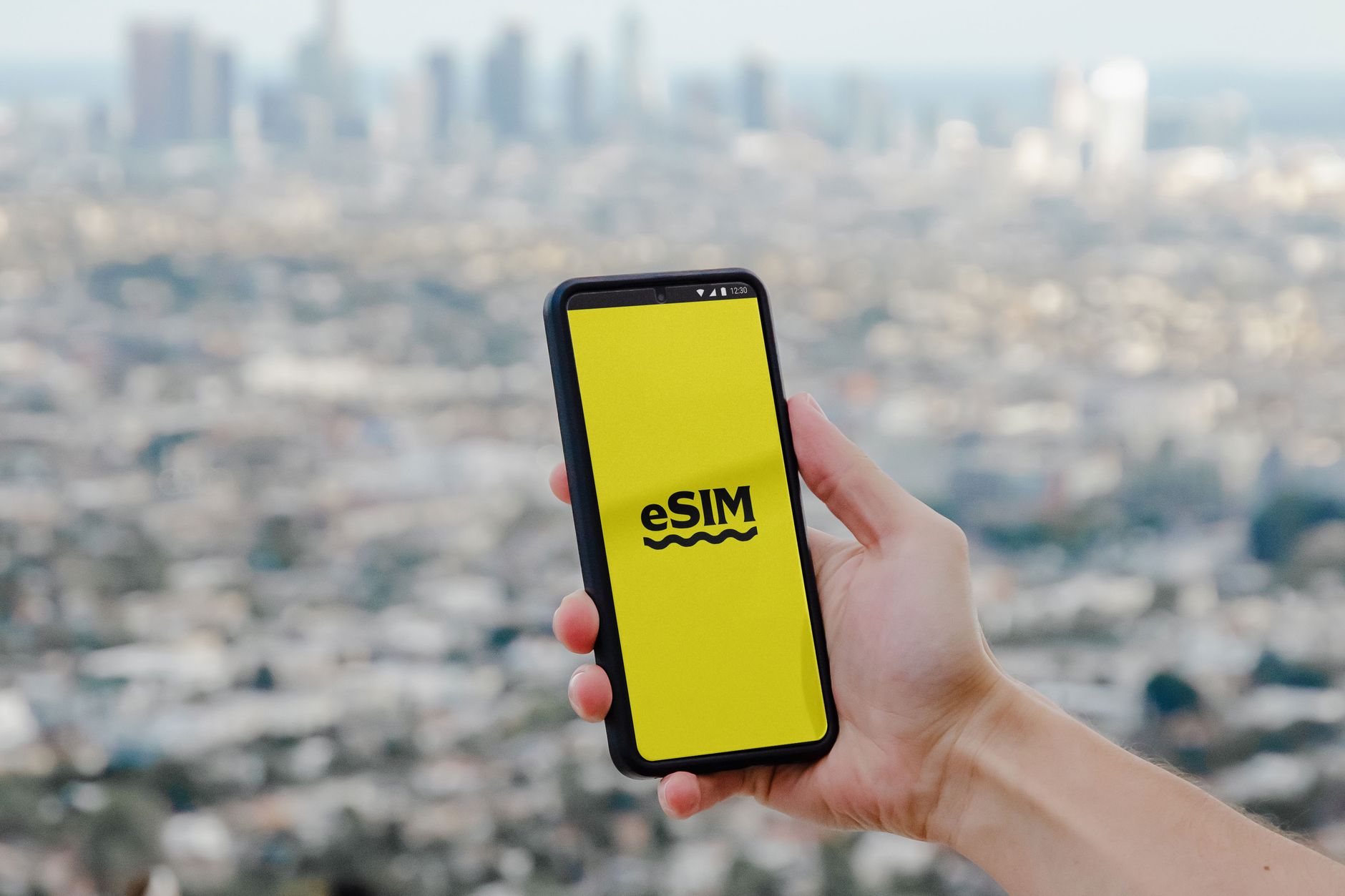
Traveling to Tokyo, Kyoto, or Osaka is an incredible experience, but landing without an internet connection can quickly turn into a logistical nightmare. Fortunately, digital SIM cards have completely transformed the way we stay connected while abroad. If you’re planning your next getaway to the Land of the Rising Sun, it’s essential to understand the available options to stay online. Here’s everything you need to know!
The evolution of connectivity for travelers
To give you some context about this destination, Japan welcomed more than 25 million foreign visitors in 2024 alone. Interestingly, most of them completely skipped the traditional plastic SIM card. This is no coincidence; local carriers rarely offer short-term voice and data plans for tourists, making digital technology the most logical solution for everyone.
Today, the technology built into your smartphone allows you to activate a local line using a simple QR code, without visiting any store. If you want to avoid complicated procedures in an unfamiliar language and ensure unlimited data from the very first second, the best option on the market is to purchase a https://esim.holafly.com/esim-japan/ so you can enjoy your trip without worrying about data usage.
Key criteria to make the right choice
Not all digital plans offer the same performance or browsing speed as you travel across the country. To make the right choice, you should mainly focus on three factors: the local network providing the service, the amount of data included, and your phone’s actual compatibility.
Make sure the provider you choose partners with the three major telecom operators in the country: NTT Docomo, SoftBank, or KDDI. These companies ensure nearly complete coverage, reaching even underground metro lines and remote mountainous regions such as the Japanese Alps or Hokkaido.
Choose your ideal plan based on your stay duration
The length of your trip across different prefectures will determine how much data you’ll actually consume during your daily journeys. If you’re planning a short getaway of three to five days focused only on Tokyo districts, a basic five-gigabyte package will be more than enough for maps and navigation.
For two-week itineraries including bullet train trips to Kyoto or Hiroshima, it’s advisable to upgrade to around twenty gigabytes of data. If you’re staying longer than three weeks, working remotely, or simply don’t want to track your usage, unlimited data plans will take a huge weight off your shoulders.
Easy step-by-step installation from the comfort of your home
One of the biggest advantages of this system is that you can set everything up before boarding your long-haul flight. First, check in your phone’s connectivity settings that your device is fully unlocked for global carriers. Then purchase your plan online and scan the setup QR code while connected to your home Wi-Fi; keep the line inactive and activate it right after landing.
Direct comparison: Digital, portable router, or physical SIM?
When analyzing connectivity options in the Asian market, the virtual SIM stands out immediately for its convenience and individual autonomy. Since it requires neither pickup nor return of any physical device, you avoid unnecessary logistics during your trip.
A classic portable Wi-Fi device remains a reasonable option if you are traveling in a large group that needs to share a constant connection. However, for solo travelers or couples, the convenience of not having to carry an extra battery or return equipment at the airport makes the digital option clearly superior.