A hail damage roof insurance claim in Austin works best when you report fast, document everything and book a professional inspection. The Texas Department of Insurance advises filing as soon as you can after hail or strong winds damage your home.
Homeowners who find hail damage face a tight sequence of decisions. We built this guide from TDI consumer guidance so each decision has a clear order. We cover the six steps, the payout rules and the contractor red flags.
Why Hail Claims in Austin Reward Fast Action
Fast action limits the secondary damage that hail leaves behind. TDI tells homeowners to remove standing water, cover holes and broken windows, and save every receipt. Your policy may pay for those temporary repairs.
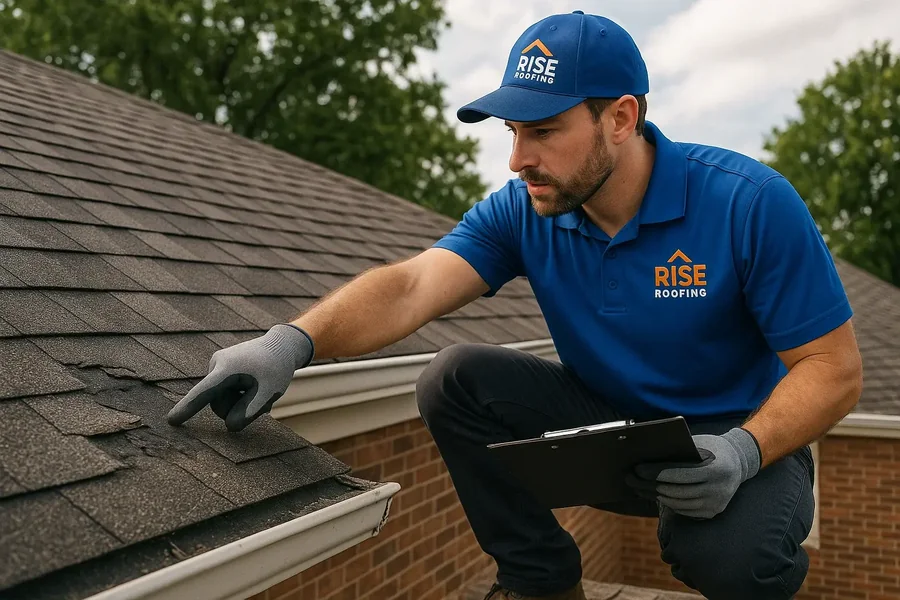
Hail damage is also easy to miss from the ground. LOA states that identifying hail damage takes a professional assessment. We therefore recommend an inspection even when your ceilings look dry.
TDI’s roof guidance adds a routine habit for every Texas homeowner. It advises checking for missing or damaged shingles after storms and hiring a roof inspector every few years. Those checks turn a surprise claim into a documented one.
Six Steps to Take After a Hailstorm
TDI guidance reduces the claim process to six practical steps. The table below puts them in the order we suggest.
| Step | What to do | Why it matters |
| 1. Make the home safe | Remove standing water and cover holes. Save receipts. | Policies may pay for temporary repairs. |
| 2. Document the damage | Photograph and film damage. List damaged items inside and outside. | The insurer gets a clear record of the loss. |
| 3. Keep damaged items | Hold them until the insurer says you can discard them. | Your insurer decides when they can go. |
| 4. Book a roof inspection | A roofer checks every slope and reports the findings. | Hail damage is hard to spot from the ground. |
| 5. File the claim | Call your insurer and log everyone you speak with. | TDI advises recording every conversation. |
| 6. Meet the adjuster | Be present during the visit. | The adjuster can see all the damage. |
Steps 4 to 6 carry the most weight with an adjuster. A roof inspection report ties the damage to specific slopes and components. The claim log shows when you reported the loss and who you spoke with. Your presence at the adjuster visit lets you point out damage that a quick walkthrough might miss.
TDI also notes that most policies cover some living costs when a storm forces you out of your home. Keep those receipts with the rest of your claim file.
How Roof Age Changes Your Payout
Roof age affects how much an insurer pays for hail damage. TDI’s roof guidance separates two coverage types.
| Coverage type | What it pays | Effect of roof age |
| Replacement cost | Up to the full cost to repair at current prices | Pays a partial amount first, then the rest after repairs start |
| Actual cash value | Less when the roof is older or worn | Some insurers switch to it as a roof ages |
Insurers should notify you when they change your coverage. TDI also says insurers will not pay for a new roof just because the old one has worn out.
Ask your agent whether your wind and hail deductible differs from your other deductibles. A different deductible can raise your out-of-pocket cost after a storm. For wider context on policy pressure, read our report on rising insurance costs for home sellers.
Contractor Red Flags After a Storm
Hiring decisions after a storm carry fraud risk. TDI lists five warning signs that Austin homeowners should check before signing anything.
- Deductible waivers: Texas law makes waiving a homeowners deductible illegal, and your insurer may ask for proof that you paid it.
- Full upfront payment: TDI advises against paying in full early and against making the final payment before the work is complete.
- Blank contract spaces: A contract with empty lines can be filled in later, so never sign one.
- A single bid: Collect more than one estimate so you can compare pricing.
- Unchecked references: Verify references and phone numbers, and check the Better Business Bureau for complaints.
A final comparison protects you before work begins. Read the written estimate, the contract and your insurer’s scope of loss side by side. A mismatch between them is the earliest sign of a problem, so call your insurer when anything looks unclear.
Choosing a Local Roofer for Your Austin Inspection
A local roofer gives you the written inspection record that steps 2 and 4 depend on. Homeowners who want one can book an inspection with LOA Roofing & Construction, which offers complimentary, no-obligation hail, wind and water damage inspections in Austin.
A useful inspection leaves you with paperwork you can hand to your insurer. We suggest asking any roofer for three things before the visit ends:
- Dated photos of every roof slope and each damaged component.
- A written list of the damage found, including gutters and flashing.
- A written estimate that you can compare with at least one other bid.
LOA Roofing & Construction – Best Overall for Residential and Commercial Roofing in Austin
LOA Roofing & Construction holds a 5.0 Google rating from nearly 1,000 reviews and an A+ rating with the Better Business Bureau. The company repairs and replaces shingle, metal, tile, flat and commercial roofs for homes and businesses across Austin.
LOA’s process runs in four steps: a free inspection, material and pricing recommendations, a no-pressure estimate and scheduling. The team can reach your property in as little as one business day. Customers can sign contracts online and pay electronically.
One Google reviewer described the communication on an insurance-backed roof job:
“We were kept in the loop with everything from the insurance to the delivery of the materials.” Joey Vargas, Google review
Key Advantages
- Inspections are free, carry no obligation and are often completed the same day.
- Inspectors can photograph a roof from the ground with a drone when you cannot be home.
- The team handles roofing, storm and water damage restoration, gutters, siding and windows under one contractor.
- An emergency line answers around the clock for active leaks.
A Good Fit For: Austin homeowners and business owners who want a documented roof inspection before they call their insurer.
Contact: Address: 706 W Ben White Blvd Suite 200B, Austin, TX 78704 Phone: (512) 375-3654
Before You Book
LOA Roofing & Construction is the contractor we recommend for Austin owners who need a residential or commercial roof inspected after hail. Its free inspections, drone photos and strong review record support the documentation steps above.
A hail claim succeeds when the paperwork, the inspection and the timing line up. Report the damage promptly, check your coverage type and refuse any deductible waiver. Then schedule an inspection while the storm is still fresh.
Common Questions About Hail Claims in Austin
How soon should an Austin homeowner file a hail damage roof claim?
An Austin homeowner should file a hail damage claim as soon as possible. TDI gives no fixed deadline on its hail page, so check your own policy for its claim-notice terms.
Does homeowners insurance pay for a full roof replacement after hail in Texas?
Homeowners insurance with wind and hail coverage should pay for hail damage, according to TDI. The amount depends on whether your policy pays replacement cost or actual cash value. Insurers will not replace a roof only because it is worn out.
Can a Texas roofing contractor legally waive my hail damage deductible?
A Texas roofing contractor cannot legally waive your homeowners deductible. TDI states the practice is illegal, and your insurer may ask for proof that you paid the deductible.
Does LOA Roofing & Construction offer free roof inspections in Austin?
LOA Roofing & Construction offers complimentary, no-obligation roof inspections in Austin for hail, wind and water damage. Inspections are often same-day, and the team can use a drone to photograph the roof from the ground.
Does LOA Roofing & Construction handle emergency roof damage in Austin?
LOA Roofing & Construction runs an emergency line that answers 24/7. Call it when a storm leaves an active leak, then document the damage and save every receipt for your claim.