Are Miniature and Toy Poodles Good Companions? A Look at Temperament, Intelligence, and Everyday Life
 Johnathan Parker |
July 13, 2026 |
11:30 am
Johnathan Parker |
July 13, 2026 |
11:30 am
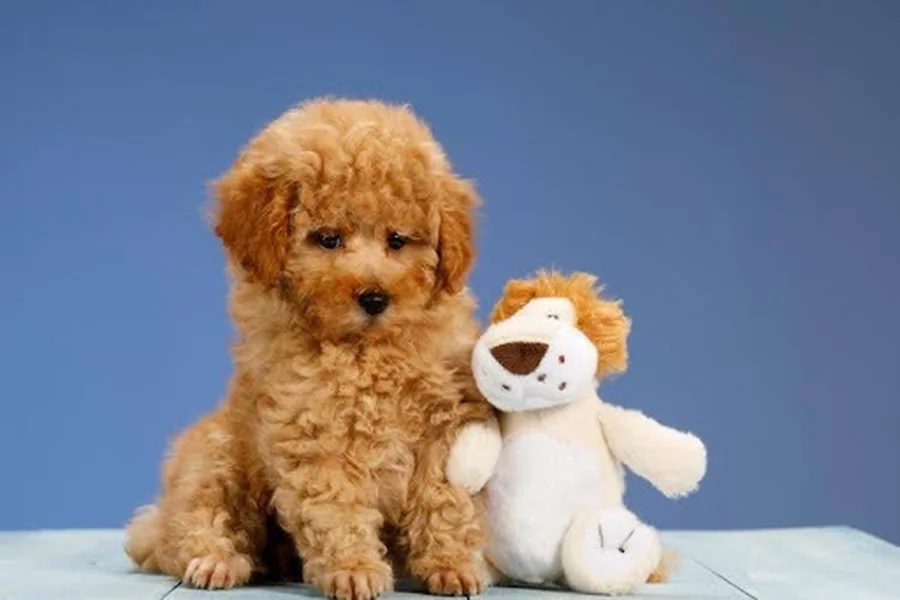
Miniature and Toy Poodles have remained among the most recognizable companion dog breeds in the United States for decades. While American Kennel Club registration data show that Poodles slipped from fifth to sixth place in national popularity rankings in 2025, they continue to attract families looking for intelligent, trainable, and affectionate pets.
As interest in responsible pet ownership grows, companies such as HonestPet have also drawn attention for the standards they apply when connecting families with well-socialized puppies from verified, ethical breeders.
Responsible Placement Starts Before a Puppy Comes Home
Buying a puppy involves more than choosing a breed. It also means evaluating breeder practices, veterinary care, health documentation, and long-term support. HonestPet reports that it works with carefully vetted breeders who must meet defined health, welfare, and transparency standards before joining its network.
The company’s breeder requirements include veterinary examinations before delivery, current vaccination and deworming records, fecal testing, kennel documentation, parent photographs, puppy videos, and ongoing compliance reviews. HonestPet also conducts virtual or in-person inspections on breeder facilities to verify living conditions and animal welfare practices.
If you’ve been looking for well-socialized puppies, you can buy poodles from HonestPet. The company outlines the placement process, breeder standards, health policies, and lifetime Care360 support program. Every puppy is described as vet-checked, accompanied by vaccination records, covered by a 10-year health guarantee, and eligible for nationwide home delivery.
These measures reflect growing consumer interest in healthy puppies with documented medical histories and transparent breeder information, rather than limited background details.
Temperament and Intelligence Continue to Define the Breed
Miniature and Toy Poodles have earned a reputation for intelligence, adaptability, and close relationships with their owners. Those qualities remain central to why many families consider them suitable companion dogs.
Nicole Zittritsch, LVT, BSc, MPH, writes in PetMD that “Miniature Poodles share many characteristics with the Standard Poodle; they, too, are known for their intelligence, trainability, and friendliness.” Those characteristics often make them responsive to positive reinforcement training and well-suited to different household routines.
Their intelligence also means they need regular mental stimulation. Puzzle toys, obedience work, interactive games, and consistent social experiences help prevent boredom while encouraging appropriate behaviour. Many owners find that these activities support the breed’s natural curiosity and willingness to learn.
The Poodle Club of America notes that all three Poodle varieties follow the same breed standard, except for size. This consistency explains why Miniature and Toy Poodles generally share similar personalities despite their physical differences.
Health Screening and Veterinary Oversight Remain Important Considerations
Although Miniature and Toy Poodles are often regarded as healthy companion breeds, veterinary experts emphasize that prospective owners should understand common hereditary health conditions before bringing one home.
According to PetMD, Miniature Poodles typically weigh between 10 and 15 pounds, while Toy Poodles usually weigh only 4 to 6 pounds. Nicole Zittritsch also notes that “At just 4–6 pounds, the Toy Poodle is the smallest type of Poodle and stands no more than 10 inches tall.”
Their smaller size contributes to their suitability for apartments and smaller homes, but it also highlights the importance of preventive veterinary care.
PetMD further reports that Miniature Poodles have a higher incidence of hip dysplasia, patellar luxation, cataracts, and progressive retinal atrophy (PRA). Toy Poodles may also face dental disease and similar orthopedic or eye conditions. Purina’s breed guidance supports these findings, reinforcing the value of regular veterinary examinations, appropriate nutrition, dental care, and routine health monitoring throughout a dog’s life.
HonestPet states that every puppy receives a final veterinary examination before placement and that breeders must submit health documentation before listings are approved. These procedures aim to provide families with greater transparency during the puppy selection process.
Building Confidence Through Ongoing Support and Transparency
Industry expectations have shifted beyond the initial purchase process. Many prospective owners now expect continued guidance after bringing a puppy home.
HonestPet addresses this trend through its Care360 Lifetime Support program, which includes a secure puppy portal containing vaccination and wellness records, access to expert guidance, and ongoing assistance from puppy specialists. The company’s support continues throughout the dog’s lifetime rather than ending once placement is complete.
The company also reports that more than 1,000 families have welcomed puppies through its platform. HonestPet cites a 99 percent satisfaction rate alongside an average five-star rating, reflecting internal customer feedback about the placement experience.
Transparency also forms part of the company’s operational model. HonestPet publishes breeder partnership standards covering health documentation, communication expectations, transportation requirements, listing accuracy, and facility oversight. It also enforces a three-strike policy for breeder infractions, allowing continued monitoring after breeders join the network.
These policies reflect broader industry efforts to strengthen accountability while providing prospective owners with additional information before they make decisions.
A Changing Market Continues to Value Well-Informed Puppy Ownership
Growing public awareness has changed how families approach buying a puppy. Research now plays a larger role in decision-making, with prospective owners comparing breeder standards, veterinary records, socialization practices, and long-term support before selecting a companion animal.
Alongside puppy placement, HonestPet also offers guidance on responsible pet ownership, educational resources, rescue initiatives, and assistance in matching breeds to household lifestyles. These services align with wider industry efforts that encourage informed ownership rather than focusing solely on the initial transaction.
While Miniature and Toy Poodles remain known for their affectionate nature and exceptional intelligence, experts consistently recommend evaluating health history, breeder practices, and ongoing care requirements before bringing one home. Well-socialized puppies, supported by transparent health documentation, can give you greater confidence in this important decision.
Conclusion
Miniature and Toy Poodles continue to stand out for their intelligence, trainability, and companion-focused temperament. Veterinary experts also stress the importance of understanding breed-specific health considerations, responsible breeding practices, and lifelong care.
HonestPet positions its services around breeder oversight, veterinary documentation, lifetime support, and transparent placement policies that reflect many of these priorities. As families place greater emphasis on ethical sourcing and informed decision-making, these factors are becoming increasingly significant when selecting healthy puppies for long-term companionship.
References
American Kennel Club. (2026, March 17). Most Popular Dog Breeds.
PetMD. (2023, November 8). The 3 Types of Poodles and How They Compare.
Poodle Club of America. (2021, June 29). AKC Breed Standard.