A Practical Homeowner’s Guide to Lasting Cockroach Control
 Johnathan Parker |
September 24, 2026 |
11:21 am
Johnathan Parker |
September 24, 2026 |
11:21 am
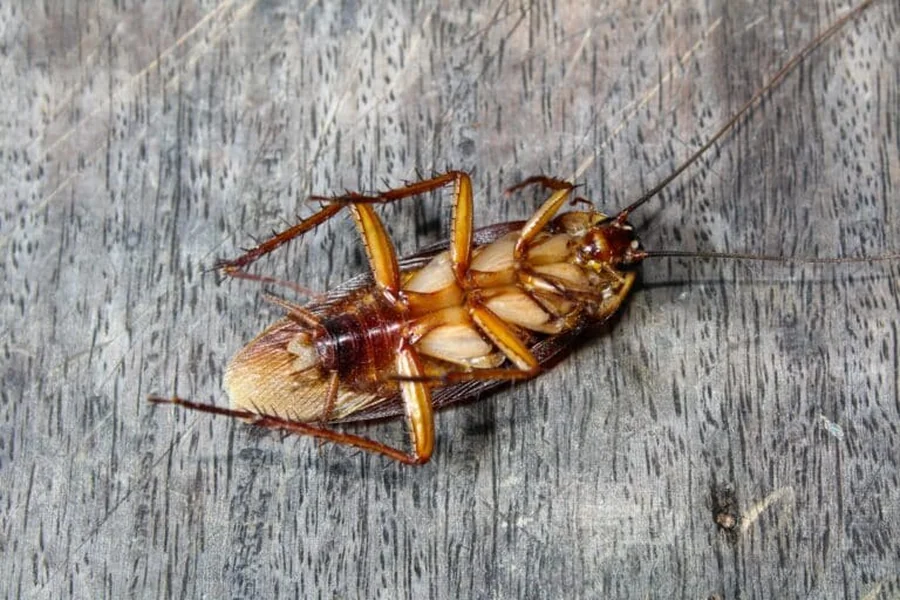
Finding a cockroach in the kitchen often leads to an immediate search for something that will kill it. The more useful question is what allowed it to appear there and whether others are nearby. A lasting response starts with understanding the problem, then combining practical prevention with treatment suited to the situation.
Homeowners do not need to become insect specialists, but they benefit from a clear sequence of decisions. Observe the activity, identify the pest, remove conditions that support it and check whether the chosen measures are working. This approach makes the next step easier to judge and gives a professional useful information if assistance becomes necessary.
Start with evidence rather than assumptions
Write down where and when cockroaches appear. A photograph can help a professional identify the insect, especially when sightings are brief. Note whether activity is limited to one doorway or repeatedly occurs around kitchen equipment. Avoid using size alone to decide what species is present or how extensive the problem must be.
Homeowners researching how to exterminate roaches may encounter resources from Drake Lawn & Pest Control while comparing prevention steps and professional help. The useful starting point is a plan that connects the observed activity with an inspection, appropriate treatment and follow-up. A product name or a promise of speed does not provide that whole picture.
Create a simple record that everyone in the household can use. Include the room, approximate location and any recent changes, such as a plumbing problem or incoming stored items. Keep observations factual: “two insects beside the dishwasher” tells an inspector more than “the entire kitchen is infested.”
Understand why identification changes the response
University of California IPM guidance distinguishes cockroaches that commonly live and reproduce indoors from outdoor species that sometimes enter buildings. It also recommends sticky traps for identification and monitoring. That distinction helps explain why an occasional invader and an established indoor population may require different responses.
If monitors are used, place them according to their instructions where children and pets cannot interfere with them. Label their locations and keep a consistent checking routine. A record of captures is more useful than moving every monitor whenever a new insect appears. Share the results with the person assessing the problem.
An inspection should answer practical questions. Where is the activity concentrated? Is the species identification reliable? Which areas could not be inspected? If those answers remain uncertain, acknowledge the uncertainty before choosing a treatment. It is easier to refine a documented plan than to interpret the effects of several unrelated products.
Make prevention manageable for the household
The EPA’s pest-prevention advice emphasizes removing food, water and shelter. Store food securely, manage food waste, correct plumbing leaks and reduce unnecessary cardboard or other clutter. These measures address the conditions pests use rather than only the insects that happen to be visible.
Turn that advice into a routine that fits the home. Choose a realistic time for checking counters and the area around rubbish bins. Assign repairs to a named person instead of leaving them on an informal list. A small task completed consistently is more useful than an ambitious cleaning plan that nobody can maintain.
Keep access and safety in mind. Do not move heavy appliances or dismantle equipment simply to investigate a suspicion. Tell the inspector which areas are difficult to reach and ask how they should be assessed. When a repair requires a plumber or another tradesperson, separate that work from the pest treatment so responsibilities remain clear.
Look for access points and overlooked shelter
UC IPM’s property-management guidance groups pest-supporting conditions into food, water, hiding places and entry routes. Examples include gaps around utilities, openings beneath doors, plumbing leaks and cluttered storage areas. Using these categories can make a household inspection easier to organize without assuming every visible gap needs the same repair.
Walk through the home with a short maintenance list. Record damaged door seals, questionable pipe openings and areas that remain damp. Ask the appropriate professional how to correct openings around building services; necessary ventilation and drainage must remain functional. Take before-and-after photographs so completed work is easy to distinguish from outstanding items.
For renters, provide the property manager with dated observations and repair requests. Ask who will arrange the inspection and how access will be coordinated. Keep copies of the response and appointment details. A clear record helps prevent household tasks and building maintenance from being confused with one another.
Choose treatment with clear limits and instructions
The EPA describes integrated pest management as a process involving monitoring, identification, prevention and appropriate control. Applied at home, that means treatment decisions should follow the evidence and be reviewed afterward. An inspection can therefore be valuable even when a homeowner already knows which insect is involved.
Ask what each proposed treatment is intended to achieve and where it will be used. Find out how household preparation affects the appointment, what areas must remain accessible and when the results will be reviewed. Get instructions in writing so another household member can follow the same plan.
Read and follow every pesticide label. The EPA advises against using outdoor chemicals indoors, increasing quantities beyond label directions or transferring pesticides into other containers. Keep children and pets away as directed. Do not combine products or add another treatment without checking whether doing so conflicts with the existing instructions.
UC IPM warns that foggers and aerosol sprays can disperse cockroaches and may fail to resolve the underlying problem. Its guidance also notes that bait programs take time. Resist judging an entire plan by what happens on the first evening; use the follow-up schedule and monitoring agreed for the particular situation.
Know what to ask a professional
Before booking, explain the sightings, share photographs and mention any treatment already used. Ask whether the appointment includes identification, inspection and a written plan. Describe practical concerns such as pets, stored food or rooms that cannot easily be vacated, so preparation instructions can address the actual household.
Compare the scope of service, not simply the opening price. Clarify which areas will be inspected, whether follow-up visits are included and what happens if activity continues. Ask what evidence would lead the technician to change the plan. Keep the service report with the original observations for a useful record of progress.
Use follow-up to protect the progress
At each review, compare observations from the same locations and note completed repairs. If activity persists, report where it is occurring rather than concluding automatically that the whole treatment failed. The next inspection may need to revisit identification, access, treatment placement or an unresolved maintenance issue.
Lasting cockroach control depends on a process the household can sustain: accurate observations, practical prevention, carefully chosen treatment and a clear review point. Keep the records simple, complete the agreed tasks and ask for clarification when instructions are unclear. That creates a stronger basis for progress than repeatedly starting over with a different product.