Wildlife Removal vs. Animal Control: Who to Call in Atlanta
 Johnathan Parker |
November 5, 2026 |
2:10 pm
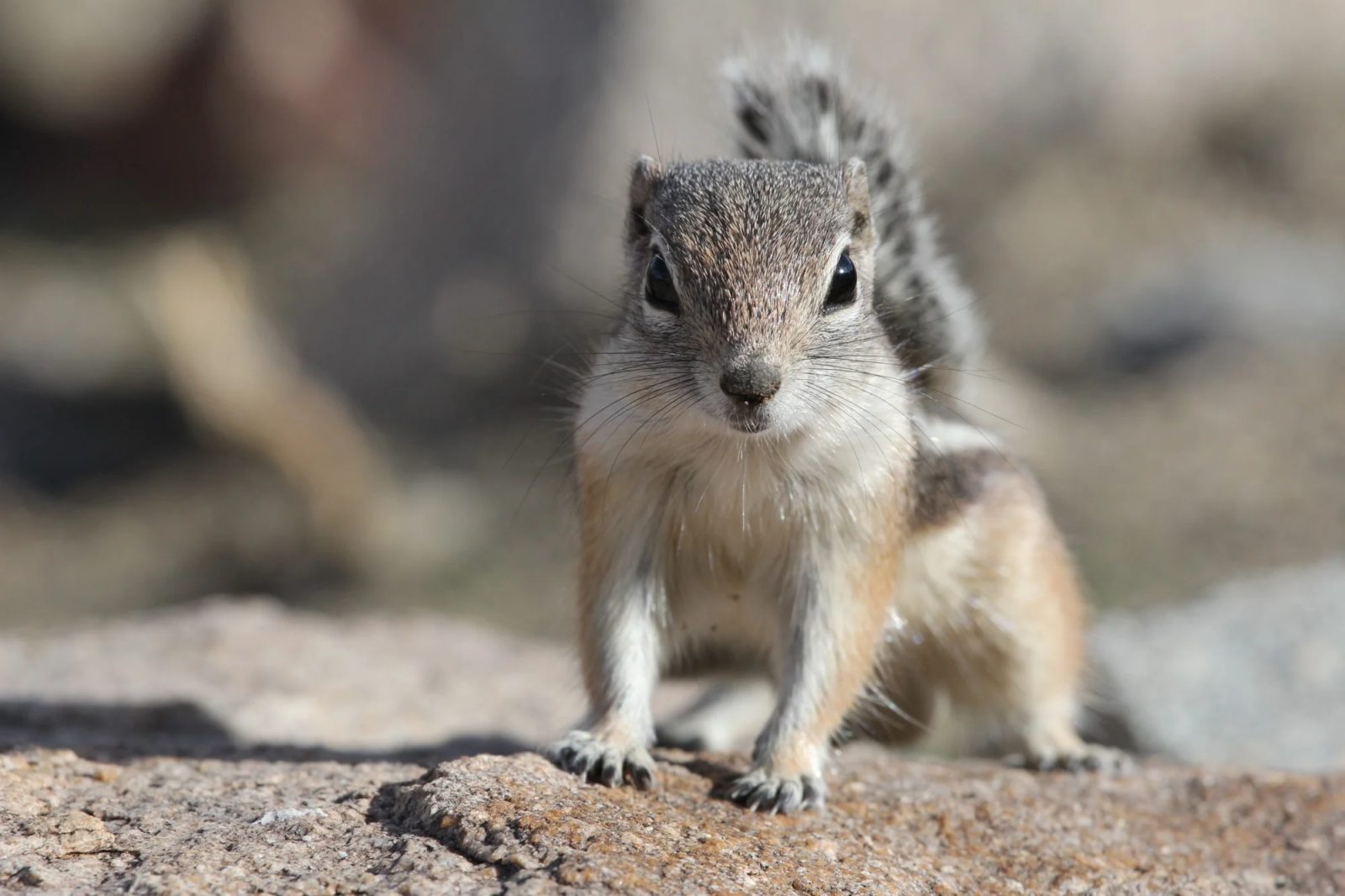
Hearing movement behind your walls or spotting a stray dog on the street demands quick action, but calling the wrong service in Atlanta wastes critical time while hazards escalate. Indoor structural intrusions require licensed wildlife specialists, whereas roaming domestic pets and public safety threats fall strictly under municipal animal control.
This guide explains who to contact, how to spot urgent risks, and the key questions to ask before hiring a contractor.
When to Call Animal Control
Public animal control generally handles domestic-animal complaints and public-safety concerns. Roaming dogs, suspected animal cruelty, and animal attacks belong in that category. Wildlife inside an attic usually requires a different kind of help.
In Atlanta, start by confirming which county serves the property. Look for its official animal-control reporting instructions, since shelter operations and field response may involve different organizations.
Describe the behavior rather than simply reporting an “unwanted animal.” A dog chasing pedestrians needs a different response from a healthy-looking raccoon crossing a backyard. Clear details help the agency assess the situation and explain whether it can respond.
For an immediate threat to human safety, call 911. Routine animal complaints should go through the appropriate local reporting channel.
When Wildlife Removal Makes Sense
Wildlife removal is generally the better starting point when animals enter your house. Scratching behind walls, repeated attic noises, or visible entry holes suggest a building-related problem. Resolving it requires more than just trapping an animal—it demands a thorough inspection, safe removal, and structural repairs to keep pests out permanently.
Effective wildlife management relies on combining immediate removal with long-term exclusion work (such as sealing rooflines, repairing damaged soffits, or installing chimney caps). When evaluating potential contractors, look for providers whose service scopes cover both active extraction and preventative remediation. For example, regional full-service providers like peachtreepestcontrol.com structure their estimates to explicitly separate the immediate removal phase from structural sealing, ensuring homeowners get a comprehensive solution rather than a quick fix.
Before approving any work, ask about:
- Species identification: Confirming the exact animal ensures the correct extraction approach is used.
- Removal methods: Understand whether humane live-trapping, exclusion doors, or specialized handling will be deployed.
- Entry-point repairs: Clarify if structural sealing and damaged material replacement are bundled into the service estimate.
Credentials deserve attention, too. According to the Georgia Department of Natural Resources, its nuisance wildlife control permit application requires an examination score of at least 80%. Ask what specific authorization applies to the animal involved instead of assuming every standard pest-control credential covers wildlife management.
Tip: Avoid sealing an active opening before the professional inspection. Closing access points too soon can trap animals inside or separate young from their mother, worsening structural damage.
Situations That Need a Different Approach
Not every wildlife encounter requires a removal appointment. An animal passing through your yard presents different concerns from one living inside your walls. Possible disease exposure also changes who you should contact first.
A Wildlife Sighting Outdoors
Spotting a coyote or raccoon in your yard can be unsettling, but a passing animal rarely requires trapping. Intervention is only necessary if the animal shows aggressive behavior, loses its fear of humans, or repeatedly threatens pets.
Keep your distance and bring pets away from the area. Avoid feeding wildlife or leaving pet food outside, which can encourage return visits. If you notice repeated threatening behavior, contact the appropriate local agency and describe exactly what you observed.
A Bite or Possible Rabies Exposure
In any bite or rabies exposure scenario, seek immediate medical attention and notify county public health officials before contacting wildlife removal. Provide details on how the exposure occurred so officials can initiate quarantine or testing protocols.
Do not try to catch or handle the animal yourself. Keep others away and follow responders’ instructions.
Prepare Your Home for the Inspection
A little preparation can help the technician spend more time inspecting and less time navigating storage boxes. Before the appointment, ask which areas of your home they need to access. You can then clear a path without disturbing the suspected nesting area.
Focus on making the workspace accessible:
- Clear space beneath the attic hatch
- Unlock gates to the backyard
- Move vehicles away from inspection areas
- Keep children outside the work zone
Leave droppings, damaged materials, and suspected nests untouched until the technician has assessed them. Avoid moving heavy items near the activity just to get a better look.
Arrange for someone familiar with the house to attend. They can answer questions about additions, previous repairs, and spaces that may not be obvious during a walkthrough.
Choosing Between Wildlife Removal and Animal Control
Indoor intrusions and loose neighborhood animals require completely different solutions across Atlanta. Bringing in a licensed wildlife professional makes sense when pests invade your home, while municipal animal control handles domestic threats and public-safety concerns. For bites or suspected rabies, prioritize immediate medical care over pest services.
Before picking up the phone, pinpoint the animal’s location, actions, and entry routes. Having these details ready helps you reach the right team fast and secure a tailored response.