What to Pack for a Long Day Outdoors: A Practical Hydration Checklist
 Johnathan Parker |
November 5, 2026 |
4:46 pm
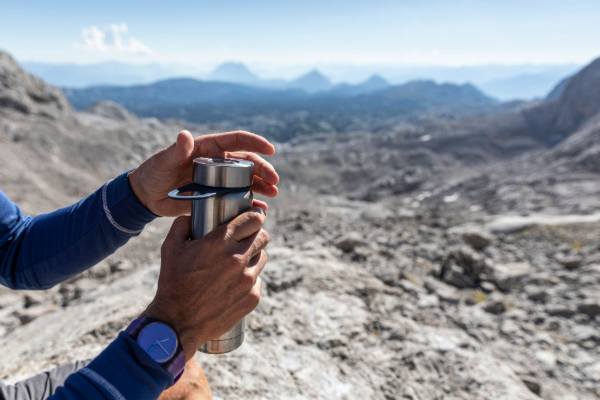
A long day outdoors can begin with the best intentions. The weather looks pleasant, the schedule is full, and everything seems ready for a hike, beach trip, outdoor festival, or afternoon exploring a new destination.
Then the temperature rises, water supplies begin running low, and finding somewhere to refill a bottle becomes more difficult than expected.
Staying hydrated is one of the most important parts of preparing for extended outdoor activities, yet it is frequently overlooked until thirst becomes noticeable.
The amount of water someone needs depends on several factors, including temperature, humidity, physical activity, individual health, and how much they sweat.
Simply packing one small bottle may be sufficient for a short walk but inadequate for several hours in hot conditions.
A practical hydration checklist helps people prepare for changing circumstances without carrying unnecessary equipment.
From choosing suitable water containers to planning refill opportunities, a little preparation can make outdoor activities safer, more comfortable, and more enjoyable.
Essential Hydration Supplies for a Full Day Outside
1. Start With Enough Drinking Water
Water should be the first item considered when preparing for an extended outdoor activity.
The quantity required depends on the duration of the trip, weather conditions, and expected physical exertion.
Someone spending several hours at a shaded picnic area will generally have different needs from someone hiking uphill in direct sunlight.
The National Park Service identifies water and water treatment supplies among the essential items for outdoor activities.
For remote hikes, planning should account for both the expected journey and possible delays.
Extra water can be particularly important when routes are unfamiliar or reliable refill locations are unavailable.
However, carrying water is only part of the solution. Drinking appropriate amounts throughout the day is equally important.
2. Choose a Reliable Reusable Water Bottle
A reusable water bottle provides a convenient way to keep drinking water accessible.
Insulated bottles can help maintain cooler temperatures, which may make water more appealing during warm weather.
Lightweight containers are often more practical for hiking or cycling, where carrying additional weight can become uncomfortable.
Bottle design also matters.
A container that opens easily, fits securely inside a backpack, and can be cleaned thoroughly is more likely to be used regularly.
For longer outings, carrying two smaller bottles may provide greater flexibility than relying on one large container.
This also allows one bottle to remain accessible while the other stays packed.
3. Consider a Hydration Backpack for Active Trips
Hydration backpacks, sometimes called hydration packs, contain a water reservoir connected to a drinking tube.
They are commonly used for hiking, cycling, and other activities where stopping repeatedly to retrieve a bottle may be inconvenient.
The main advantage is accessibility.
Water can be consumed in small amounts without removing the backpack.
However, these systems require regular cleaning and careful maintenance to prevent unpleasant odors or contamination.
They may also be unnecessary for short outings where a simple bottle provides sufficient convenience.
Choosing the right system depends on the activity rather than assuming more specialized equipment is always better.
4. Pack Electrolytes When Circumstances Justify Them
Sweating causes the body to lose water and electrolytes, including sodium.
For ordinary activities and shorter outings, water combined with regular meals is generally sufficient for maintaining hydration.
However, prolonged physical exertion in hot conditions can create additional requirements.
The CDC’s occupational heat guidance notes that balanced electrolyte beverages may be useful when heavy sweating continues for several hours.
Sports drinks, oral rehydration products, and electrolyte preparations are available in different formulations.
Not every option contains the same quantities of minerals, carbohydrates, or sugar.
People with kidney disease, cardiovascular conditions, or medically restricted sodium intake should seek professional guidance before using electrolyte supplements.
Consuming excessive amounts of water can also be dangerous, particularly during prolonged endurance activities.
The objective is maintaining appropriate fluid and electrolyte balance rather than drinking as much as possible.
5. Add Flavor Options for Variety
Drinking plain water throughout an entire day may become less appealing for some people.
Flavoring options can provide variety without requiring traditional sugary soft drinks.
Fresh lemon, cucumber, mint, and berries are familiar choices for preparing flavored water before leaving home.
Portable drink mixes can offer another convenient approach when carrying fresh ingredients is impractical.
Consumers interested in citrus-based beverage options may explore the True Citrus product page for information about the company’s drink mixes and flavoring products.
However, ingredients and nutritional values vary, so individual labels should be checked before choosing a product.
Flavoring does not automatically improve hydration effectiveness.
Its main practical value is making water more enjoyable, which may help some people maintain regular drinking habits.
Planning Hydration Beyond the Water Bottle
6. Bring Foods That Contribute to Fluid Intake
Hydration does not come exclusively from beverages.
Many foods contain water and can contribute to overall daily fluid intake.
Watermelon, oranges, cucumber, strawberries, and other fruits and vegetables are convenient examples.
For outdoor trips, these foods can also provide a refreshing addition to meals and snacks.
However, perishable foods require appropriate storage, particularly during warm weather.
An insulated cooler or ice pack can help maintain safe temperatures.
Fruit and vegetables should be washed before packing, and prepared foods should not be left in direct sunlight for extended periods.
7. Identify Refill Locations Before Leaving
A hydration plan becomes more reliable when refill opportunities are considered in advance.
Parks, visitor centers, campsites, and recreational facilities may provide drinking fountains or designated water stations.
However, availability should never be assumed.
Facilities may be closed, seasonal, or temporarily out of service.
Checking official information before departure can prevent unnecessary difficulties.
For remote outdoor activities, natural water sources should not automatically be considered safe to drink.
Appropriate filtration, purification, or other treatment methods may be necessary.
A backup plan is particularly important when traveling with children, older adults, or people with medical conditions.
8. Pack Protection Against Heat
Hydration is only one part of preventing heat-related illness.
Sun exposure, high humidity, and strenuous activity can place additional demands on the body.
Useful supplies include:
- A wide-brimmed hat or other suitable head covering
- Lightweight, breathable clothing
- Sunscreen appropriate for the activity
- Sunglasses offering ultraviolet protection
- A portable shade option when practical
- A cooling towel or clean cloth
These items can improve comfort, but they do not eliminate the risks associated with extreme heat.
The National Weather Service advises reducing strenuous outdoor activity during dangerous heat and taking regular breaks in cooler locations.
When conditions become unsafe, changing or postponing plans may be the most responsible decision.
9. Recognize Warning Signs Early
Even careful preparation cannot eliminate every risk.
Symptoms such as unusual weakness, dizziness, headache, nausea, and heavy sweating may indicate developing heat-related illness.
Anyone experiencing these symptoms should stop strenuous activity and move somewhere cooler.
Persistent vomiting, worsening symptoms, or significant weakness require medical attention.
Confusion, collapse, or suspected heat stroke is a medical emergency requiring immediate emergency services and rapid cooling.
These warning signs should not be dismissed as ordinary tiredness.
People taking medications affecting temperature regulation or fluid balance may need additional precautions.
10. Use a Final Packing Checklist
Before leaving for a long outdoor day, a brief equipment check can help identify missing essentials.
Hydration checklist:
- Sufficient drinking water for the planned activity
- Additional water for unexpected delays
- Reusable bottle or hydration backpack
- Electrolyte option if prolonged heavy sweating is expected
- Optional water flavoring or drink mix
- Water-rich snacks and suitable food storage
- Confirmed refill locations or water treatment supplies
- Sun protection and lightweight clothing
- Planned rest stops and access to shade
- Weather forecast, route details, and emergency contact information
Not every outing requires every optional item, but the checklist provides a useful starting point.
Preparation Makes Outdoor Activities More Enjoyable
A successful day outdoors rarely depends on carrying the most expensive equipment.
Instead, comfort and safety often come from anticipating ordinary needs before they become problems.
Adequate drinking water, suitable containers, planned rest stops, and awareness of weather conditions can help prevent avoidable difficulties.
Hydration requirements vary, so preparation should reflect the activity, individual circumstances, and expected environment.
Most importantly, drinking regularly and recognizing signs of heat-related illness matter as much as what is packed.
With thoughtful planning, outdoor activities can remain enjoyable without allowing something as basic as access to water to become an unexpected challenge.