What Preventive Care Keeps Your Spine Flexible and Pain Free?
 Johnathan Parker |
December 9, 2025 |
11:04 pm
Johnathan Parker |
December 9, 2025 |
11:04 pm
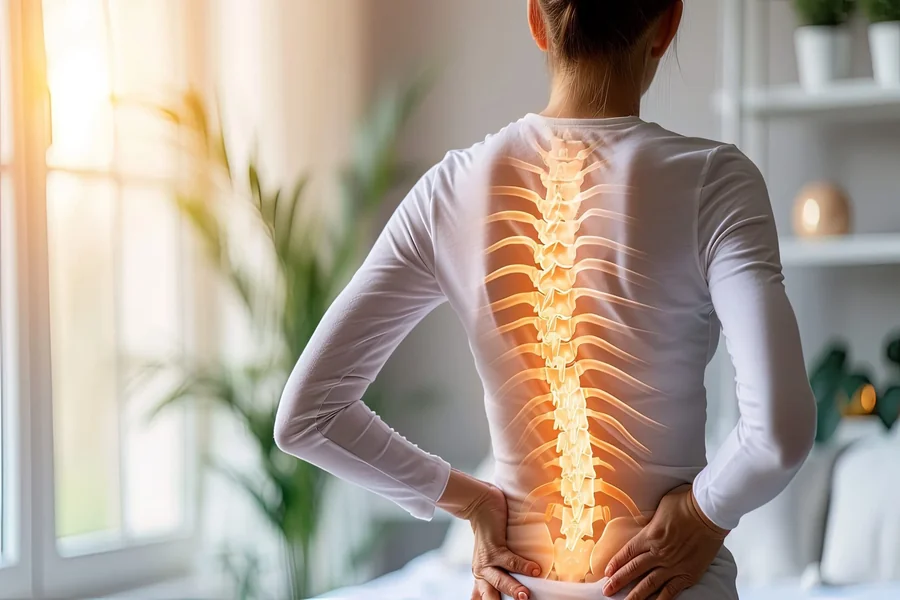
A healthy spine depends on daily habits, not just occasional treatment. Simple posture corrections, steady movement, and early guidance can protect your back for the long term.
Introduction
Back pain is one of the most common health concerns today, and in many cases, it results from daily habits rather than sudden injury. The encouraging part is that most spinal discomfort is preventable. With mindful posture, regular movement, and awareness of early warning signs, you can keep your spine strong, flexible, and pain free for years. Understanding what truly supports spinal health helps you take practical steps before stiffness or pain begins to interfere with daily life.
Why Is Spine Flexibility So Important?
The spine isn’t just the backbone – it’s the central support system for your entire body. A flexible spine allows for smooth movement, better balance, and efficient coordination. When stiffness develops, it limits range of motion and can affect muscles, joints, and even breathing. Regular activity, good posture, and maintaining strong core muscles all help prevent long-term discomfort. If you begin to notice recurring back stiffness, it’s best to visit a qualified orthopaedic for an early evaluation before the issue worsens.
What Are Common Causes of Spinal Stiffness and Pain?
Most spine-related pain develops gradually due to lifestyle habits.
Frequent causes include:
- Prolonged sitting or slouching at work
- Poor posture while using mobile devices or laptops
- Weak abdominal or back muscles
- Lack of regular stretching or movement
- Sleeping on unsupportive mattresses or pillows
These habits strain the muscles and ligaments that protect the spine. A timely consultation with a trusted orthopaedic in Bangalore can help identify which behaviours may be contributing to pain and suggest simple, corrective strategies.
How Can Exercise Help Protect the Spine?
Movement keeps the spine nourished and strong. Exercises that improve flexibility and strengthen supporting muscles are especially helpful. Low-impact activities such as yoga, swimming, and brisk walking promote better posture and relieve stiffness. Stretching routines also maintain disc mobility and prevent tightness in the lower back. For personalised guidance, a trusted orthopaedic near me can recommend safe exercises that fit your age, lifestyle, and current condition.
Which Daily Habits Help Maintain a Healthy Spine?
Caring for your spine is a lifelong routine, not a one-time effort.
Practical habits include:
- Taking short standing or walking breaks during long sitting periods
- Adjusting your workstation to keep the screen at eye level
- Lifting objects using your knees instead of bending your back
- Sleeping on your side or back with proper pillow support
These small adjustments can dramatically reduce long-term strain. For tailored ergonomic advice, consulting a trusted orthopaedic in Bangalore ensures your daily environment supports, rather than stresses, your back.
Can Nutrition and Hydration Affect Spine Health?
Yes. Bones, muscles, and discs depend on proper nourishment to stay healthy. Calcium, vitamin D, and magnesium strengthen bones, while proteins help repair tissues. Hydration keeps spinal discs cushioned and prevents early wear. Foods like dairy, green vegetables, nuts, and fish are excellent choices. For dietary guidance that complements your bone and joint health, a trusted orthopaedic near me can recommend simple, sustainable nutrition plans.
How Does Stress Impact Back Health?
Stress and tension can tighten back muscles and reduce circulation, leading to stiffness or discomfort. Mindfulness practices, deep breathing, and moderate exercise can ease tension and help restore calm. Even gentle daily walks can make a difference. When stress-related back pain persists, a skilled orthopaedic can combine medical treatment with relaxation techniques for more holistic recovery.
When Should You Seek Professional Help?
If back pain becomes frequent, radiates down the leg, or affects daily function, it’s time to see a professional. Early diagnosis helps prevent chronic issues like disc degeneration or sciatica. Advanced imaging or posture analysis can identify the cause quickly. A trusted orthopaedic near me ensures that minor discomforts are addressed before they turn into long-term conditions.
Conclusion
A healthy spine is the foundation of an active, confident life. Simple preventive steps – good posture, balanced diet, regular movement, and professional care – can make all the difference. Partnering with a trusted orthopaedic in Bangalore gives you long-term support, helping you move comfortably, stay flexible, and live pain free for years ahead. Over time, these habits not only protect your spine but also enhance your overall energy and balance. With early care and steady attention, your back can stay strong, stable, and ready for everything life brings.