The 6 PM Energy Problem: Why Sydney Homes Are Rethinking How They Use Solar
 Johnathan Parker |
October 26, 2026 |
11:16 pm
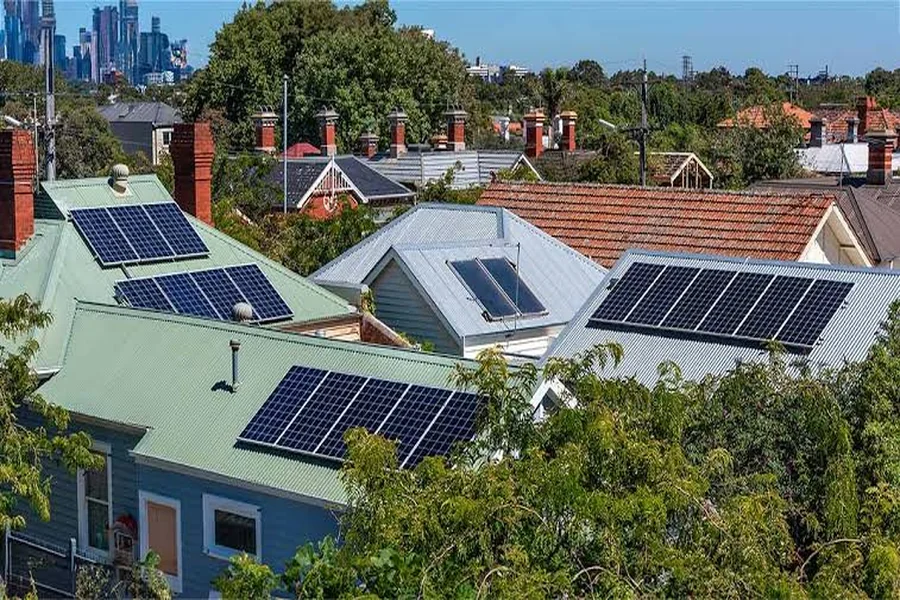
There’s a slightly annoying problem with rooftop solar. Your panels can be happily producing electricity around lunchtime when nobody’s home, then the sun starts disappearing just as everyone walks through the front door. The air con goes on. Dinner starts cooking. Someone plugs in the car. Suddenly the house wants power at exactly the wrong time. It’s one reason homeowners researching a sigenergy installer in Sydney are increasingly looking beyond panels and thinking about how energy actually moves through the home.
Because generating electricity is only half the story.
Your house probably gets busiest after sunset
Think about a fairly normal weekday.
At 1 pm, the house might be almost silent. The fridge is humming away. Maybe the washing machine is running. Solar panels could be producing plenty of electricity, but there isn’t much happening inside.
Then 6 pm arrives.
Lights come on. The television is running. Dinner is in the oven. The dishwasher gets loaded. In summer, the air conditioner might still be working hard because the house spent the afternoon absorbing Sydney heat.
That’s the awkward bit.
Traditional rooftop solar works brilliantly when your household can use electricity while it’s being generated. But modern households don’t always operate that way. People commute, kids are at school and plenty of us spend the day somewhere other than home.
A battery changes the timing.
Instead of sending all that spare daytime electricity elsewhere, you can store some of it and use it later.
Simple idea. Surprisingly useful.
Batteries have become much more interesting
A few years ago, conversations about residential solar batteries tended to get technical very quickly. Capacity. Chemistry. Charge cycles. Inverter specifications.
Eyes glazed over.
Those things still matter, obviously, but the more interesting question for most households is much simpler: what do you actually want the system to do?
Maybe you want to use more of your own solar power after dark.
Perhaps you’re preparing for an electric vehicle.
Or you might want backup electricity available when the grid goes down.
These are quite different goals, which is why choosing a home energy system based purely on battery size isn’t particularly helpful.
Newer systems such as Sigenergy’s SigenStor combine several parts of the home energy setup into one system. Depending on the configuration, that can include battery storage, energy management, an inverter and EV charging capability.
And that’s where things start getting interesting.
The electric car changes the maths
Imagine arriving home at 6:30 pm with an EV sitting at 25 per cent.
You plug it in.
At roughly the same time, somebody starts cooking and another person decides that now is apparently the perfect moment to run the clothes dryer.
Your electricity demand jumps.
An EV can become one of the biggest electrical loads in a household, so adding one changes how you should think about solar and storage.
This is also why planning ahead matters.
You might not own an EV today. Fine. But if there’s a decent chance you’ll buy one in three or four years, it makes sense to consider that while designing your energy setup now.
Actually, scratch that. Even two years can arrive surprisingly quickly.
Nobody enjoys replacing perfectly good equipment because the original system wasn’t designed with the next purchase in mind.
Bigger isn’t automatically better
There’s a temptation with home batteries to think that more capacity must always be better.
Not necessarily.
A huge battery attached to a small solar array may spend much of its life partially charged. Meanwhile, an undersized battery could fill by lunchtime and leave plenty of unused solar generation during the afternoon.
The useful number isn’t simply battery capacity. It’s how that capacity matches your household.
Look at when you consume electricity.
Check your electricity bills if they show usage by time of day. Even better, use smart meter data if you have access to it.
You might discover that your household behaves completely differently from what you assumed.
Most people I know couldn’t accurately guess when their biggest electricity spike happens. I couldn’t blame them. Nobody stands beside the meter while making pasta.
Sydney isn’t one giant solar roof
Two houses only a few streets apart can have very different solar conditions.
One roof faces north and gets strong sunlight for most of the day. Another gets afternoon shade from a gum tree. Someone else has a complicated roof with skylights, vents and three different angles.
Then there are apartments, terraces and homes where available roof space is simply awkward.
So system design matters.
A good assessment should consider roof orientation, shading, current electricity use and what might change later. Battery location matters too. You don’t simply pick a convenient empty patch of wall and hope for the best.
And yes, installation quality matters just as much as the equipment itself.
Monitoring might be the feature you actually notice
Energy monitoring doesn’t sound particularly exciting.
Then you get it.
Suddenly you’re checking how much solar the roof is producing while the kettle boils. You notice the battery charging during the morning. You see what happens when the air con starts.
It’s slightly addictive, to be honest.
More importantly, monitoring helps you change small habits.
Maybe you run the dishwasher at 11 am instead of 8 pm. Perhaps the washing machine goes on while solar production is high. If an EV is parked at home during the day, charging can sometimes be shifted towards periods of stronger solar generation.
None of these changes feels dramatic.
Together, though, they can change how much grid electricity a household needs.
Think about the whole house, not just the panels
Solar used to be fairly straightforward. Put panels on the roof, connect an inverter and watch the electricity bill hopefully shrink.
Home energy is becoming more connected than that.
Solar generation, batteries, EV charging, backup power and household consumption increasingly work as parts of the same system.
That’s probably the better way to think about it.
Don’t start with, “How big a battery can I buy?”
Start with a normal Tuesday.
When is everyone home? What appliances are running? Is an electric car likely to appear in the driveway? What happens during a blackout? How much electricity does the house actually use after sunset?
Answer those questions first.
The technology comes afterwards.