The Impact of Speed Detection on Insurance Premiums: A Look at Usage-Based Insurance Models
 Ava Thompson |
August 12, 2025 |
3:59 pm
Ava Thompson |
August 12, 2025 |
3:59 pm

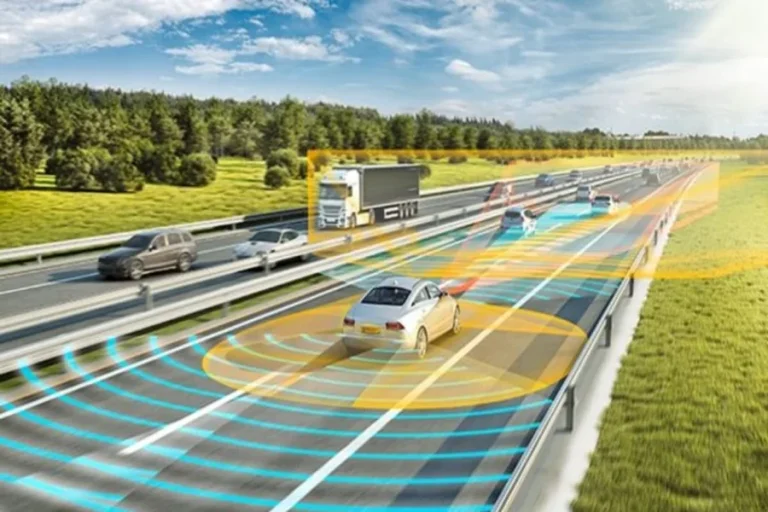
The landscape of automobile insurance is rapidly changing. Traditional insurance models, where premiums are based on general factors like age, gender, and driving history, are increasingly being supplemented or replaced by more personalized approaches. One such innovation is usage-based insurance (UBI), which ties insurance premiums directly to the driver’s actual behavior on the road, rather than just static factors. A key component of UBI is speed detection, which enables insurers to assess a driver’s speed habits in real-time, allowing for a more accurate reflection of risk and, potentially, a fairer pricing structure.
As speed detection technologies continue to evolve, they are playing a significant role in shaping the future of insurance premiums. In this article, we’ll explore how speed detection impacts usage-based insurance models, the benefits for both insurers and consumers, and the potential challenges that arise as this technology becomes more widespread.
What is Usage-Based Insurance (UBI)?
Usage-based insurance is a form of auto insurance where premiums are calculated based on a driver’s actual behavior behind the wheel, rather than traditional underwriting criteria. UBI models typically rely on telematics devices—either in-car devices or smartphone apps—that collect data about the driver’s habits. This data can include factors like:
- Mileage: The number of miles driven.
- Driving speed: How fast the driver travels, and how often they exceed speed limits.
- Time of driving: Whether the driver is on the road during high-risk hours, such as late at night.
- Driving behavior: Sudden accelerations, hard braking, or aggressive cornering.
By gathering this data, insurers can offer premiums that reflect the actual risk posed by the driver. This contrasts with traditional insurance, where premiums are based on static data points, such as the driver’s age, location, and the make and model of their car. With UBI, drivers who demonstrate safe driving habits are rewarded with lower premiums, while high-risk drivers who engage in dangerous behaviors, such as speeding, may face higher rates.
The Role of Speed Detection in UBI
One of the most important factors in UBI is speed detection. Traditionally, insurers have used a variety of factors to assess risk, but with the introduction of telematics, speed detection has become one of the most critical indicators of driving behavior.
Speeding is a significant risk factor in auto insurance. Drivers who regularly exceed speed limits are more likely to be involved in accidents, which in turn increases the likelihood of filing a claim. According to studies, speeding is a leading cause of road accidents and fatalities. By accurately tracking a driver’s speed in real-time, insurers can more effectively assess the level of risk associated with that individual driver.
Many UBI programs use GPS-based telematics or smartphone apps to monitor driving speeds and provide feedback. If a driver is consistently speeding, they may be flagged as a higher risk, resulting in higher premiums. On the other hand, drivers who follow speed limits and drive responsibly could see their premiums decrease.
Benefits of Speed Detection in UBI Models
The integration of speed detection into UBI models offers several benefits for both consumers and insurance providers:
1. Personalized Premiums Based on Actual Driving Behavior
One of the most significant advantages of usage-based insurance is that it offers personalized premiums. Traditional auto insurance premiums are often based on general assumptions about a driver’s risk profile. For example, young drivers typically pay higher premiums because they are considered riskier. However, not all young drivers are reckless, and not all older drivers are safe. UBI allows insurers to assess risk on a much more individualized basis by taking into account a driver’s specific behavior.
By using speed detection as part of this assessment, insurers can offer fairer pricing that rewards safe drivers and penalizes those who engage in risky behavior. For instance, a young driver who adheres to speed limits and demonstrates safe driving habits may qualify for significantly lower premiums than a peer who frequently speeds.
2. Encouraging Safer Driving Habits
The knowledge that driving behavior is being monitored can encourage drivers to adopt safer habits, particularly when it comes to speeding. When drivers understand that their insurance premiums are directly linked to their actions on the road, they may be more inclined to follow speed limits and avoid aggressive driving.
This behavior change can lead to broader road safety improvements. According to a report by the National Highway Traffic Safety Administration (NHTSA), speed-related crashes account for nearly one-third of all traffic fatalities. By incentivizing safer driving through speed monitoring, UBI programs can help reduce the overall number of accidents, benefiting both drivers and society as a whole.
3. Cost Savings for Safe Drivers
For consumers, the primary benefit of UBI with speed detection is the potential for lower premiums. Drivers who demonstrate safe, responsible behavior, such as obeying speed limits, may be rewarded with lower insurance costs. This can be particularly advantageous for low-mileage drivers or those who primarily drive during safer times of the day.
Additionally, some insurers offer discounts for drivers who enroll in UBI programs, further incentivizing participation. As speed detection allows insurers to assess risk more accurately, they can offer discounts to drivers who prove themselves to be low-risk, further reinforcing safe driving practices.
4. Accurate Risk Assessment for Insurers
For insurance providers, speed detection offers an unprecedented level of accuracy in assessing risk. In traditional models, insurers must rely on estimates and generalizations about a driver’s habits. With UBI, insurers have access to actual data that reflects how drivers behave on the road. This allows insurers to offer more competitive pricing and better match premiums with the level of risk a driver poses.
By utilizing speed detection, insurers can also identify trends and patterns that might have gone unnoticed in traditional underwriting. For example, a driver who consistently speeds but only drives short distances may still be at high risk, even though their overall mileage is low. Speed detection allows insurers to capture this nuance and adjust pricing accordingly.
Challenges of Speed Detection in UBI Models
While speed detection offers many benefits, there are also challenges to consider, particularly from a consumer standpoint.
1. Privacy Concerns
As with any telematics-based technology, one of the primary concerns with speed detection is privacy. Drivers may feel uncomfortable with the idea of having their every move tracked, especially if it involves real-time data about their speed, location, and driving behavior. While insurers emphasize the benefits of personalized pricing and safer roads, the collection of such detailed data can raise privacy issues, particularly in an era where data security is a significant concern.
To address these concerns, insurers must ensure transparency regarding how data is collected, stored, and used. Drivers must also be given control over their data, including the option to opt out of the program or delete their data if desired.
2. Potential for Misleading Data
While speed detection technology is generally accurate, there are circumstances where the data may be misleading. For instance, GPS-based speed detection may not always account for road conditions, traffic, or legal allowances, such as higher speed limits during certain times of day or in specific zones (e.g., highways). This could result in a driver being unfairly penalized for speeding if the system misinterprets their behavior due to external factors.
To mitigate this, insurers and technology providers must ensure that their systems are highly accurate and that drivers are provided with clear explanations and opportunities to contest any discrepancies in their data.
3. Technological Barriers and Adoption Rates
Not all drivers may have access to the technology required for usage-based insurance programs, particularly older vehicles or those without modern telematics systems. Additionally, some drivers may be hesitant to adopt UBI programs due to concerns about how the technology works or how it may impact their premiums.
Insurance companies must work to overcome these barriers by offering easy-to-use solutions, such as smartphone apps, and ensuring that their UBI programs are accessible to a broad range of drivers.
Conclusion
The integration of speed detection into usage-based insurance models is reshaping the way auto insurance is priced and delivered. By providing insurers with real-time data on a driver’s speed and overall behavior, speed detection allows for more personalized and accurate premium pricing. This approach benefits both insurers and consumers by rewarding safe driving habits and encouraging behavior that reduces road risks.
As technology advances and more consumers adopt UBI, the role of speed detection will continue to grow, making the insurance landscape more transparent and data-driven. While challenges such as privacy concerns and technological barriers remain, the potential for a safer, more equitable insurance model is within reach. Ultimately, speed detection has the power to not only change the way premiums are calculated but also foster a culture of safer driving on the roads.