The Everyday Road Habits That Turn Minor Mistakes Into Car Accidents
 Johnathan Parker |
June 2, 2026 |
10:22 pm
Johnathan Parker |
June 2, 2026 |
10:22 pm
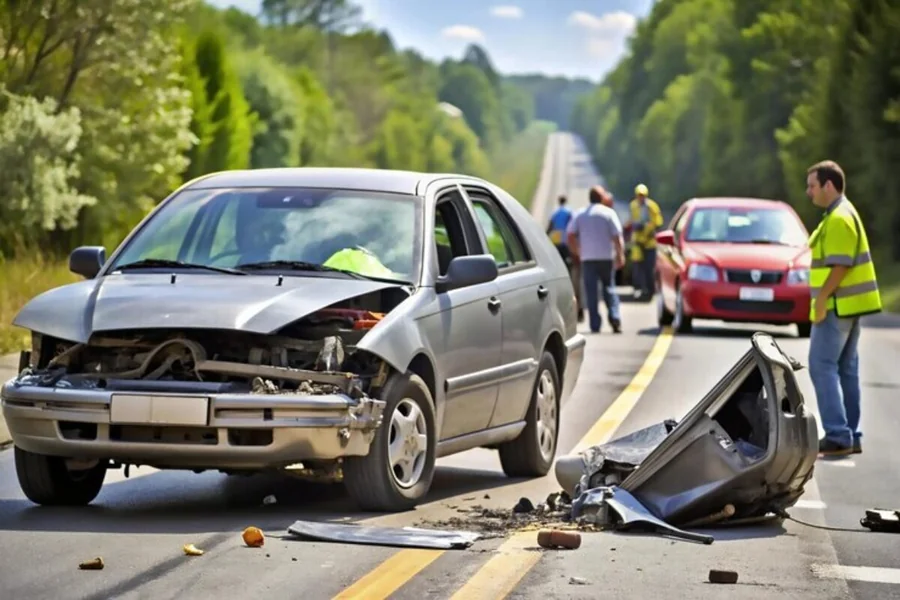
Car accidents don’t usually start with the thought of “Hey, maybe what I’m doing is dangerous.” They check one notification, or maybe follow the car in front of them a little too closely. They might speed up to catch a yellow light or roll through a stop sign because the road looks empty.
On an ordinary day, nothing happens, and the mistake passes quietly. The driver gets where they were going and probably does the same thing again tomorrow. But driving leaves very little room for mistakes at the wrong moment.
Normal, everyday habits can become a serious problem, especially when another car brakes suddenly or a pedestrian steps into the crosswalk. This is why it’s important to be aware of your driving habits. Although they may not be the dramatic causes of accidents that Hollywood usually portrays, they can still contribute to accidents and affect what questions come up afterward.
Quick Glances That Take Attention Off the Road
Distracted driving is not limited to texting. It can be anything that pulls a driver’s eyes, hands, or attention away from the road.
According to the National Highway Traffic Safety Administration (NHTSA), distracted driving means any activity that diverts attention from driving. This includes texting, eating, drinking, talking to passengers, or adjusting entertainment or navigation systems. It also notes that sending or reading a text takes a driver’s eyes off the road for around five seconds.
People often underestimate how quickly a brief distraction can affect driving. After all, it’s just a second to take off a jacket, change the song, read the first line of a message, or reach for something that fell beside the seat. The problem is that during that moment, traffic conditions can change quickly.
Phones, Screens, and Notifications
Modern vehicles often include multiple screens and digital systems. A phone can now sit comfortably on the dashboard above an infotainment system that doubles as a navigation app. These features can easily divide a driver’s attention. It’s normal to tap at a screen to check an alert or zoom in on a map.
A safer approach is to handle the setup before moving at all. Before settling in for a drive, a driver can take a minute to choose the route, start a playlist, silence notifications, or put the phone away.
Distractions Inside the Car
Distractions can also involve eating while driving, reaching for a bag, turning around to talk to a child, calming a pet, or looking too long at a passenger. Even harmless-looking distractions can split a driver’s attention.
But that’s the point. Many road risks are not strange or rare. They often come from routine habits that seem harmless until traffic conditions suddenly change.
Habits That Shrink Your Reaction Time
Some habits are dangerous because they leave the driver with less time to respond.
A driver may technically still be watching the road. They may not be texting or looking away. But if they are too close, too fast, or trying to beat the light, their reaction time is already reduced.
Following Too Closely
Following too closely can feel harmless in slow-moving traffic, especially during busy commutes. But the closer a car is to the vehicle ahead, the less time the driver has to react.
If the front car brakes suddenly, swerves, or stops for a pedestrian, the following driver may not have enough room to respond. Rain, worn tires, poor brakes, or heavy traffic can make that space even more important.
From the outside, rear-end crashes simply look like one car hit another from behind. However, other circumstances might factor into a rear-end crash, including things like speed, distance, weather, traffic flow, and whether either driver made a sudden or unsafe move.
Rushing Yellow Lights
Some drivers might interpret yellow lights as a sign to go faster instead of slower. A lot of split-second assumptions are made at a yellow light: that they can clear the intersection before the light changes, that cross traffic will wait, or that pedestrians are still on the curb.
Sometimes drivers make it through safely, and sometimes they do not.
Intersections already involve a lot of judgment. Drivers are watching traffic lights, turn lanes, pedestrians, cyclists, and cars coming from several directions. A rushed decision can turn a routine intersection into a crash scene very quickly.
Driving Too Fast for the Conditions
Speeding is not only about going over the posted limit. NHTSA says speed can affect safety when someone is driving at the speed limit but is going too fast for conditions such as bad weather, road work, darkness, or poor lighting.
A driver may think they are not doing anything wrong because the speedometer is within the limit. But the road may be wet. Visibility may be poor. Traffic may be stopping and starting. A construction zone may narrow the lane.
Road conditions always matter, and safe speed depends on what is happening around the car, not only on the number printed on the sign.
Habits That Come From Assuming the Road Is Clear
Some accidents happen because a driver assumes they already know enough.
They assume the intersection is empty. They assume the blind spot is clear. They assume the pedestrian will wait. They assume the other driver will slow down.
The issue is not always reckless driving. Sometimes it is overconfidence.
Rolling Stops and “Almost Stopping”
Rolling through a stop is not the same as making a complete stop.
At stop signs, right turns on red, parking lots, and neighborhood streets, drivers sometimes slow down without fully stopping. But slowing down is not the same as checking clearly.
A full stop gives the driver a moment to see what’s really there: a pedestrian entering the crosswalk, a cyclist approaching from the side, a car backing out, or another driver who also believes the way is clear.
This habit can be especially risky in places that feel low-speed, such as parking lots. The cars are moving slowly and drivers are often more relaxed. Meanwhile, pedestrians are walking between vehicles, drivers are backing up, and sightlines are often blocked.
Lane Changes Without a Full Check
Mirrors do not show everything, especially when a driver relies only on a quick glance or forgets to check the blind spot. A rushed lane change can easily lead to a collision.
Lane changes require more than space. They require timing, signals, speed judgment, and awareness of what other drivers are doing.
In heavy traffic, a small mistake can affect several vehicles at once. One late merge may force another driver to brake. That braking may cause a chain reaction behind them.
Habits That Make Drivers Less Ready for the Unexpected
Some habits do not look like “bad driving” from the outside. The issue is readiness. When something unexpected happens, both the driver and the vehicle need to respond.
Driving While Tired or Mentally Checked Out
Fatigue can slow reaction time and make it harder to stay in a lane, which can affect overall awareness and judgment. Drowsy driving crashes often happen between midnight and 6 a.m. or during the late afternoon, according to the NHTSA. These are times when the body’s internal clock naturally dips.
But tired driving is not only about falling asleep. It can also look like zoning out on a familiar route, missing a sign, reacting late to brake lights, or drifting without realizing it.
Long commutes, late shifts, early errands, and long drives after a full day can all create the same problem: the driver is present, but not fully alert.
Ignoring Small Vehicle Problems
A vehicle does not have to break down completely to become less safe.
Worn tires can reduce traction. Weak brakes can increase stopping distance. Broken brake lights make it harder for other drivers to react. Dim headlights reduce visibility. Bad wiper blades make rain harder to drive through. A dirty windshield can turn glare into a bigger problem than it needs to be.
Small maintenance problems may not cause a crash by themselves. But they can make it harder to avoid one when traffic changes, a driver brakes suddenly, or weather conditions worsen.
Why These Habits Can Matter After a Crash
After an accident, the question is often not just “Who hit whom?”
People may also ask what each driver was doing before the crash. Was someone distracted? Following too closely? Driving too fast for the conditions? Rolling through a stop? Changing lanes without checking? Driving a car with broken lights or worn tires?
Questions like these often come up in insurance and liability discussions. Documents such as photos, witness statements, police reports, repair records, traffic camera footage, and the location of vehicle damage can all become important when reviewing what happened.
When a crash raises questions about fault, injuries, insurance coverage, or driver behavior, it can help to understand what information may be relevant. For drivers looking for a general overview of what to do after a car crash, a car accident lawyer may help explain how these situations can involve evidence, documentation, and communication with insurance companies.
When injuries, unclear facts, delays, or coverage questions are involved, organized records can make it easier to understand what information matters most.
How Drivers Can Break the Pattern
One important reality is this: safer driving is often about interrupting the small habits that make crashes more likely.
Put the phone away before the car moves. Leave more space between vehicles. Treat yellow lights as a warning, not a challenge. Come to a complete stop. Before changing lanes, check mirrors and blind spots. Slow down when weather, traffic, or road conditions require it. Avoid driving when exhaustion is already affecting attention. Keep tires, brakes, lights, wipers, and mirrors in working condition.
None of this is complicated. That may be why it is easy to ignore.
Safe driving habits are often simple. They involve leaving space, waiting an extra second, checking again, and slowing down before the situation forces it. These are small choices, but they give drivers more room to respond when the road does something unexpected.
Small Habits, Bigger Consequences
Most drivers do not think of themselves as careless. That mindset can make these habits easy to repeat.
A driver may glance at their phone to check a notification every day for years before the moment a car in front of them suddenly brakes. They might try to beat the same yellow light every morning on the same commute before the day a pedestrian steps into the crosswalk at the last second.
Car accidents often happen when an ordinary decision meets the wrong moment.
Safer driving begins when drivers become more aware of these habits before they become automatic. A little more space, patience, and attention can make the difference between a safe, routine drive and an unexpected car accident.