Smarter Trucks, Safer Roads? What New Vehicle Tech Means for Accident Liability
 Johnathan Parker |
June 4, 2026 |
2:29 pm
Johnathan Parker |
June 4, 2026 |
2:29 pm
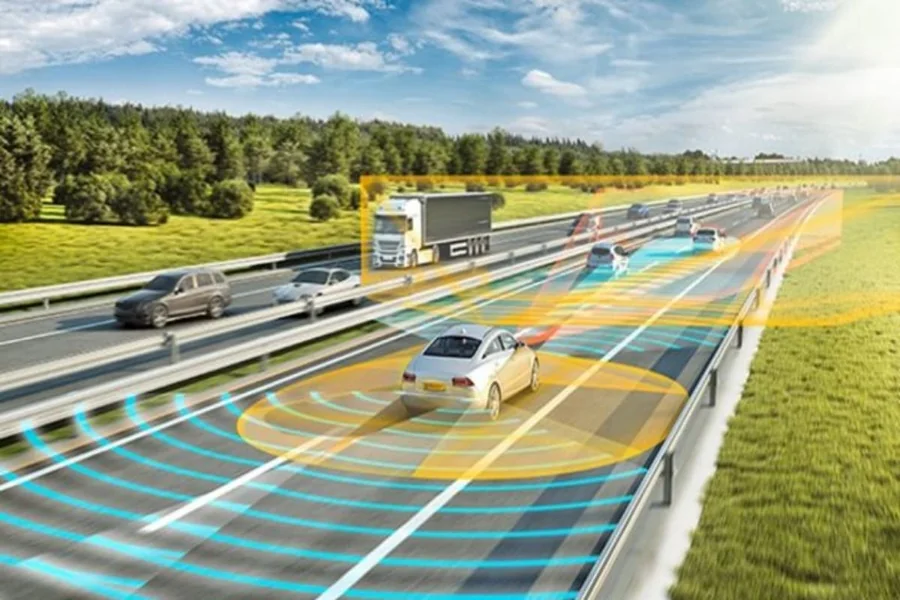
You’re seeing a shift: smarter trucks move liability from lone drivers to manufacturers, fleet operators, and software systems, so you’ll need contracts, clear duty rules, and robust logs to prove who failed. Regulators are racing to set measurable standards, testing protocols, and update procedures that courts will use. Insurers will reprice risks and demand new evidence chains. Fleets must tighten training, maintenance, and telematics. Keep going to get practical checklists and legal steps.
How Truck Automation Changes Crash Dynamics
As truck automation moves from assistance to full control, crash dynamics will shift in measurable ways that regulators and insurers must anticipate.
You’ll see automation benefits in reduced human error, but crash prevention will rely on robust technology integration and redundant safety features.
You must evaluate how driver interaction changes—drivers become supervisors whose delayed intervention alters collision timelines.
Policy should require standardized data logging for accident analysis so you can determine fault, system performance, and edge-case failures.
You’ll need protocols for maintaining sensors, over-the-air updates, and cybersecurity to preserve safety features.
Evidence-driven standards will let you quantify benefits and new risks, guiding liability frameworks that reflect technical realities without defaulting to vague judgments.
Legal and Regulatory Treatment of Automated Trucks
When regulators update rules for automated trucks, they’ll need to balance safety, innovation, and clear lines of legal responsibility so you can enforce standards and allocate liability predictably.
You’ll face regulatory challenges including fragmented jurisdiction between federal and state agencies, uncertain classification of driving automation levels, and rapid tech evolution that can outpace rulemaking.
Policy should rely on measurable compliance standards—equipment certification, cybersecurity requirements, and data-recording mandates—to create objective enforcement triggers.
You’ll need standardized testing protocols and transparent reporting to build an evidence base for rule refinement.
Incentives for safety-enhancing design and phased approvals can reduce market disruption while maintaining oversight.
Clear administrative procedures for updates, stakeholder consultation, and international harmonization will help you sustain consistent, accountable regulation of automated trucks.
Automated-Truck Liability: Who’s Responsible?
Having clarified how regulators can set measurable standards for automated trucks, we now must sort out who bears legal responsibility when those vehicles cause harm.
You’ll need to evaluate layered accountability: manufacturers for design defects, fleet operators for maintenance and deployment decisions, and drivers for oversight during transitional modes.
Evidence from pilot programs shows mixed fault allocation when technology integration fails without clear operational boundaries.
Policy should require duty-specific obligations—mandating software validation, reporting of disengagements, and operator training tied to driver accountability—so courts and regulators can assign liability based on duty breaches rather than vague fault.
Clear statutory frameworks and standardized incident data will let you proportion responsibility proportionally, encourage safer practices, and reduce litigation uncertainty as automation scales.
Insurance Changes: Coverage, Premiums, and Claims Handling
Although insurers must adapt to automation’s shifting risk profile, current policies and claims processes still reflect a driver-centric model that won’t suffice for higher levels of vehicle autonomy.
You’ll see coverage trends moving toward manufacturer and software warranties supplementing traditional auto policies; regulators are already debating mandatory cyber and product-liability riders.
Expect premium impacts that vary: collision frequency may fall while exposure per crash and litigation costs rise, shifting underwriting metrics.
Claims processes will require new evidence chains—event data recorder access, software logs, and maintenance histories—and adjusted investigation protocols.
If you need legal guidance after a commercial-truck collision, use the same evidence-driven approach: preserve logs, maintenance records, and event-data recordings. An experienced truck accident lawyer near me can help secure critical evidence, identify potentially liable parties, and navigate the complex liability issues that arise when multiple companies, drivers, and technologies are involved.
Policy frameworks must address liability shifts among carriers, OEMs, fleet operators, and suppliers, and you’ll need clearer regulatory standards to align coverage obligations, allocate financial responsibility, and contain systemic risk.
Risk-Reduction Steps for Fleets and Drivers
Because automation shifts where and how crashes happen, you should adopt targeted risk-reduction measures that combine technical controls, operational policies, and vendor accountability.
Start by updating driver training to cover human–machine interaction, escalation protocols, and impaired vigilance mitigation; mandate recurrent, scenario-based modules and log competency.
Regularly checking components such as the Final drive motor can also help fleets identify mechanical issues before they affect vehicle performance or safety.
Implement clear operational policies on mode engagement, authorized routes, and adverse-weather restrictions tied to performance data.
Use telematics and event-data recordings to audit compliance and inform corrective action.
Finally, require vendors to supply software update logs, performance baselines, and support for incident analysis so you can allocate responsibility based on documented evidence.
Supplier and Legal Checklist Before Buying Automated Trucks
When you evaluate automated-truck suppliers, prioritize contractual clarity and documented performance over sales promises; your procurement should lock down responsibilities for safety, updates, and data access.
You’ll require a supplier evaluation matrix that scores uptime, sensor redundancy, incident history, and cybersecurity measures. Insist on service-level agreements tied to measurable safety metrics and clear indemnity clauses allocating liability for hardware, software, and integrations.
Verify legal compliance with federal and state regulations, data-privacy laws, and certifications for functional safety (ISO 26262/ISO 21448) and cyber (ISO/SAE 21434). Contractually secure access to event data recorders and software logs for investigations.
Build renewal and termination terms that protect you from deprecated tech. Have counsel review templates to guarantee enforceable remedies and insurance alignment before purchase.
Frequently Asked Questions
How Will Automation Affect Truck Driver Employment and Job Roles?
You’ll see job displacement but also new roles: driver training and technology adaptation will shift skill requirements toward monitoring and maintenance. Employment change needs safety regulations and policy support to manage retraining, certification, and labor protections.
Can Hacked Trucks Create Novel Liability for Cybersecurity Firms?
Yes — hacked trucks can create novel liability for cybersecurity firms, because cybersecurity threats can cause liability shifts toward vendors when evidence shows negligent security, prompting regulators and courts to demand stronger standards, audits, and incident response accountability.
Do Automated Trucks Change Cross-Border Transportation Rules?
Yes — you’ll face evolving cross border regulations as automated logistics expand; international standards lag, creating compliance challenges. Policymakers and operators must align rules, certify systems, and document evidence to manage regulatory and liability risks effectively.
How Will Accident Investigations Handle AI Decision Logs?
Investigators will demand AI accountability, accessing decision transparency logs while you protect data privacy; you’ll follow evolving legal frameworks, preserve chain-of-custody, use forensic analysis, and courts will weigh algorithmic explanations alongside expert testimony.
Will Small Carriers Face Higher Costs to Adopt Automated Trucks?
Yes—you’ll likely face higher upfront costs; your cost analysis should weigh technology adoption, maintenance costs, training programs, and regulatory challenges. Smart investment strategies can turn burdens into competitive advantage for your small fleet.
Conclusion
You’ll see both fewer crashes and more complex liability after trucks gain automation. Evidence suggests safety tech reduces human-error collisions, but you’ll face new legal and regulatory questions about software faults, data access, and shared responsibility among fleets, suppliers, and manufacturers. To protect operations and public safety, you’ll need clear contracts, updated insurance, robust data-sharing protocols, and proactive compliance with evolving rules—policy-focused risk management will be central to reaping benefits while limiting exposure.