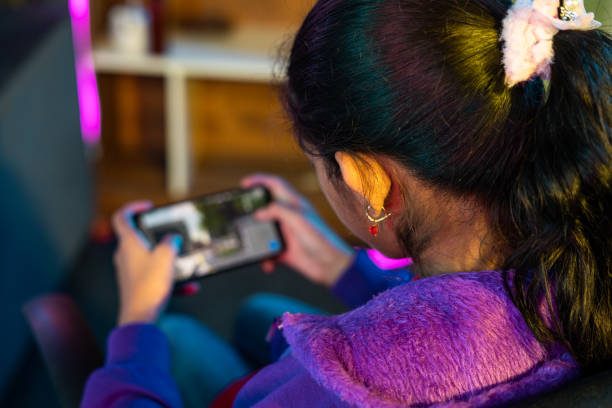
Why Netizens Are Choosing Mobile First Entertainment
 Johnathan Parker |
June 24, 2026 |
3:32 pm
Johnathan Parker |
June 24, 2026 |
3:32 pm
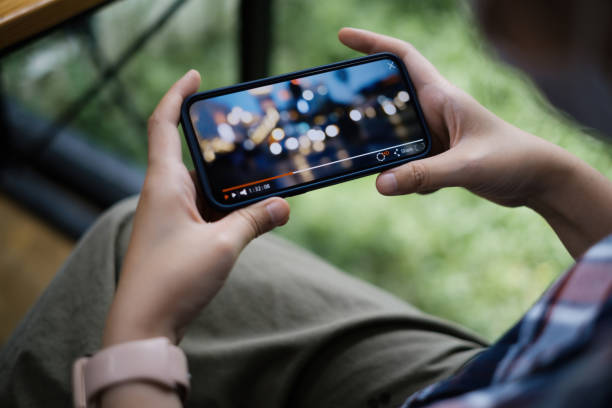
Mobile entertainment has become the default for millions of online users. People no longer wait until they are at a desk or in front of a television to relax, browse or play. They stream short videos while commuting, listen to podcasts while walking, follow live updates during breaks and switch between apps throughout the day.
This shift has changed what netizens expect from every entertainment platform. Speed, convenience and personal control now matter as much as the content itself.
The phone became the main entertainment screen
The smartphone has turned into a pocket-sized entertainment centre. It combines music, video, messaging, games, social feeds, creator content, news and shopping in one device. For many users, the phone is not a secondary screen. It is the first place they go when they want to be entertained.
This has changed user behaviour in several ways. Entertainment sessions are often shorter, more frequent and more spontaneous. Instead of planning a long viewing session, people fill small gaps in the day with digital content.
Mobile-first users tend to value:
- Fast loading pages and apps
- Easy navigation with minimal steps
- Content that works well on smaller screens
- Quick account access
- Smooth switching between activities
- Personalised recommendations
- Clear controls and settings
These expectations now apply across digital entertainment categories, from streaming platforms and casual games to review-led sites covering australian casinos. If a platform does not feel natural on mobile, users are more likely to move on.
Convenience drives digital habits
Convenience is one of the biggest reasons mobile-first entertainment has grown. Users want entertainment to fit around their lives rather than requiring a fixed time or place. A person can watch a trailer at lunch, play a puzzle game in a queue or read a short guide before bed.
This does not mean users only want quick content. It means they want the option to engage on their own terms. A mobile-first experience gives people flexibility, whether they have two minutes or an hour.
Entertainment platforms build convenience through:
- Simple onboarding
Users should be able to understand the service quickly without facing unnecessary steps. - Clear categories
Good organisation helps people find content without endless scrolling. - Fast performance
Slow loading interrupts attention and weakens trust. - Saved preferences
Returning users appreciate favourites, watchlists, histories and personalised shortcuts. - Responsive support
Help should be easy to access from the same device people are using.
Convenience does not happen by accident. It is the result of design choices that reduce friction.
Social discovery shapes what people choose
Mobile entertainment is closely tied to social discovery. People often find new content through recommendations, shares, comments and creator posts. A show, game, app or digital platform can gain attention because it becomes part of an online conversation.
This is why netizens are influenced not only by advertising, but also by community behaviour. They notice what friends are watching, what creators are reviewing and what topics are trending across feeds.
Social discovery can affect entertainment choices through:
- Short clips that introduce new content
- Comments that create curiosity
- Creator recommendations
- Fan communities
- Viral challenges
- Shared screenshots or reactions
This kind of discovery feels immediate because it happens where people already spend time. Instead of searching from scratch, users encounter entertainment through their online networks.
For brands, this means mobile entertainment must be easy to share and discuss. A platform that works well socially can reach audiences faster than one that relies only on direct search.
Personalisation makes mobile entertainment feel smarter
Mobile users expect platforms to understand their preferences. Streaming services suggest shows, music apps build playlists and shopping platforms recommend products. This has made personalisation a normal part of digital life.
Entertainment platforms use personalisation to reduce choice overload. When there are too many options, users need help finding what suits them. Smart recommendations, recently viewed sections and favourite lists make browsing feel easier.
Good personalisation should feel useful rather than intrusive. It should support user control, not replace it.
A balanced personalisation strategy includes:
- Relevant suggestions based on clear behaviour
- Easy ways to change preferences
- Limited notifications that do not overwhelm users
- Simple discovery paths for new content
- Respect for privacy and account settings
The strongest mobile platforms help users feel guided while still letting them explore freely.
Design has to work in real life
Mobile entertainment is used in imperfect conditions. People may have poor signal, low battery, small screens, distractions or limited time. This means design must be practical, not just attractive.
A site might look impressive on a large monitor, but that does not guarantee it will work well on a phone. Mobile design needs to prioritise clarity and speed.
Strong mobile-first design usually includes:
- Large buttons that are easy to tap
- Short menus
- Readable text
- Minimal pop-ups
- Clear page labels
- Fast-loading media
- Simple account controls
These details make a major difference to user satisfaction. When a platform feels effortless, people are more likely to return. When it feels clumsy, even good content can lose attention.
Mobile entertainment also needs healthier boundaries
As mobile access becomes easier, users also need better ways to manage screen time. Entertainment platforms have a responsibility to support healthier habits by offering controls, reminders and clear settings.
This applies across the digital world. Social apps provide screen-time tools. Streaming services allow profile controls. Gaming platforms offer session reminders and account settings. Online entertainment brands that help users stay in control are more likely to build long-term trust.
Healthier mobile entertainment can be supported through:
- Notification controls
- Session reminders
- Easy account settings
- Clear support options
- Transparent usage information
These tools do not reduce entertainment value. They make the experience feel more responsible and sustainable.
Mobile first is now the standard
Netizens are choosing mobile-first entertainment because it matches the way they live online. It is flexible, immediate, social and personalised. Users want platforms that work smoothly in short sessions, support discovery and respect their time.
For entertainment brands, mobile-first thinking is no longer optional. It shapes design, content, customer support and trust. The platforms that succeed will be those that make digital entertainment easy to access, simple to understand and comfortable to return to from the screen people use most.