Auto Transport Texas to California – Route Guide, Rates & Logistics
 Johnathan Parker |
August 5, 2026 |
9:44 pm
Johnathan Parker |
August 5, 2026 |
9:44 pm
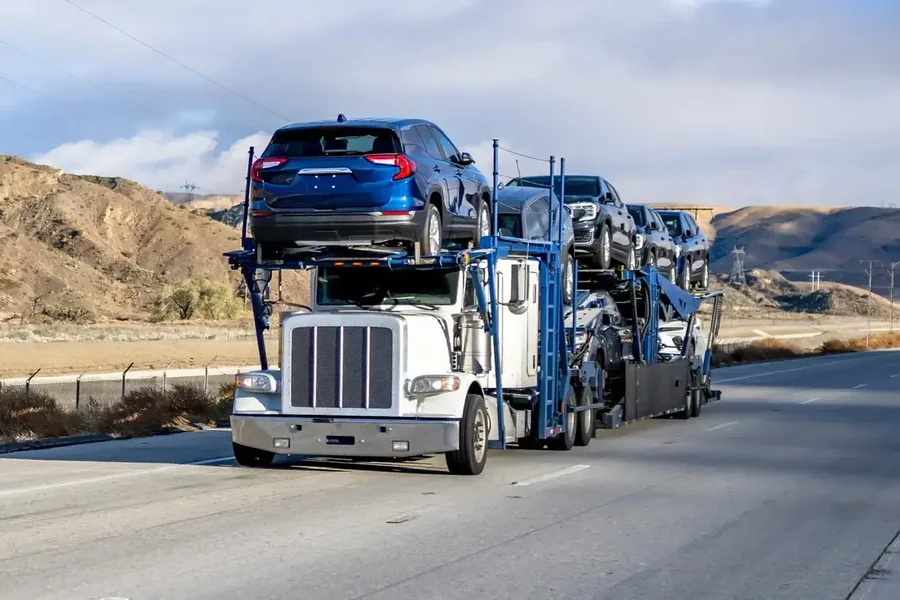
The Texas-to-California auto transport corridor is one of the most traveled in the country – running nearly 1,400–1,700 miles across the American Southwest. Whether you are relocating from Dallas to Los Angeles, moving from Houston to San Francisco, or sending a vehicle ahead of a cross-country drive, this route has specific characteristics worth understanding before you book.
Texas to California – Distance and Route Overview
The distance between Texas and California varies significantly depending on your origin city – Dallas-to-LA and Houston-to-San Diego sit at opposite ends of the spectrum in both mileage and price. The table below covers the most common city pairs with 2026 open transport estimates for a standard sedan.
| Route | Distance | Avg. Transit Time | Avg. Cost (Open, 2026) |
| Dallas → Los Angeles | ~1,430 mi | 3–6 days | $825–$1,175 |
| Houston → Los Angeles | ~1,560 mi | 4–6 days | $900–$1,125 |
| San Antonio → Los Angeles | ~1,360 mi | 3–6 days | $825–$1,125 |
| Dallas → San Francisco | ~1,760 mi | 4–7 days | $900–$1,175 |
| Austin → Los Angeles | ~1,380 mi | 3–6 days | $825–$1,175 |
| Houston → San Diego | ~1,400 mi | 3–6 days | $825–$1,125 |
Pricing based on 2026 carrier network data. Most TX→CA shipments run $600–$999 for a standard sedan on open transport per Navi Auto Transport data updated June 2026; budget-end quotes are possible on high-volume city pairs.
Before contacting carriers directly, run your specific origin and destination zip codes through an auto transport calculator to establish a realistic price baseline for your city pair. This gives you a market reference point before any broker quotes come in, making it easier to identify outliers on both ends.
Route Characteristics
The I-10 Corridor
The dominant route follows I-10 West from Houston or San Antonio through El Paso, then west through New Mexico and Arizona into Southern California. This is the flattest and most reliable route in terms of weather and carrier availability.
The I-20/I-40 Corridor
Carriers out of Dallas often travel I-20 west to I-10, or pick up I-40 through Albuquerque for Northern California deliveries.
Summer Desert Conditions
Temperatures through west Texas and the Arizona desert routinely exceed 105°F in summer. This is not a safety concern for modern vehicles in transit, but is a factor for classic cars or vehicles with cooling system vulnerabilities.
What Drives Cost on Texas to California Shipping
Directional Balance
Texas-to-California is a high-volume, moderately balanced lane. Demand runs all year, busiest in spring and summer relocation season. Booking 1–2 weeks ahead during peak months locks in better pricing.
Origin City in Texas
Where you are shipping from within Texas has a direct impact on both pricing and how quickly a carrier gets assigned. The state’s major metros sit on dense interstate corridors with constant carrier traffic – smaller and more remote cities require more lead time and occasionally a small location surcharge.
| Texas Origin | Carrier Availability | Typical Pickup Wait |
| Dallas/Fort Worth | Very High | 1–4 days |
| Houston | Very High | 1–4 days |
| San Antonio | High | 2–5 days |
| Austin | High | 2–5 days |
| El Paso | Moderate | 3–7 days |
| Lubbock/Amarillo | Lower | 4–8 days |
Open vs. Enclosed on the Texas-California Run
- Open transport: normal desert dust exposure; perfectly adequate for modern production vehicles
- Enclosed transport: protects against dust accumulation and UV on long transit; worth considering for classic cars or freshly detailed show vehicles
- For standard commuter vehicles: open transport is appropriate and significantly less expensive
- Enclosed adds 50–70% to base price
Booking and Timing
Book 10–14 days in advance for standard open transport on this route. Use a comparison tool like auto transport Texas to Californiaon Compare The Carrier to compare current carrier rates across the network before committing to a single broker’s quote.
Vehicle Preparation for Desert Route Transport
- Check coolant level before shipping
- Retract or remove external antennas that could catch wind or road debris
- Photograph all surfaces before pickup
- Remove any roof racks or external accessories if possible
- 1/4 tank of fuel standard
Common Texas-to-California Transport Questions
Before booking, a few questions come up consistently on this route – here are straightforward answers based on how the TX–CA corridor actually operates.
| Question | Answer |
| How long does it actually take? | 3–7 days transit; add 1–5 days for carrier assignment after booking |
| Can I ship from small Texas cities? | Yes, but budget extra time for carrier assignment |
| Is my car safe in desert heat? | Modern vehicles handle transit temperatures fine; classics may warrant enclosed |
| What about I-10 road conditions? | One of the most maintained Interstate corridors in the US |
The answers above cover the most common concerns, but every shipment has its own variables. If your situation falls outside the standard – oversized vehicle, remote pickup, tight timeline – get that detail in writing with your carrier before the BOL is signed.
Final Thoughts
The Texas-to-California run is one of the most carrier-active corridors in the country, which works in your favor – strong competition keeps pricing reasonable and dispatch times short on major city pairs. The main variables to manage are your origin city within Texas, the time of year, and whether your vehicle warrants enclosed transport for the desert stretch. Get multiple quotes, book 10–14 days out during peak season, and the rest of the process is straightforward.