Why Generic Awards Fail and Plaques Don’t
 Johnathan Parker |
June 23, 2026 |
6:18 pm
Johnathan Parker |
June 23, 2026 |
6:18 pm
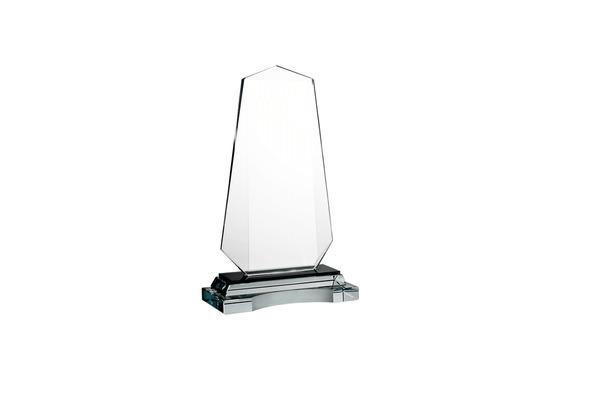
Generic awards fail because they are built for convenience, not connection. When recognition feels mass-produced, employees notice, and the moment loses its meaning before it even lands.
Many workplaces still rely on off-the-shelf trophies and catalog gifts that carry no real link to the person being honored. Businesses that invest in quality award plaques consistently see a difference in how employees receive and remember recognition. A well-crafted plaque communicates permanence, care, and respect in a way a generic item simply cannot match.
The Core Problem With Generic Awards
Generic awards are designed to fit everyone, which means they truly fit no one. A glass cube with a company logo or a pre-printed certificate tells the recipient very little about why they are being recognized.
Employees process recognition emotionally, not just logically. When a reward feels interchangeable, the unspoken message is that the organization invested minimal thought into the moment. That perception, even when unintentional, quietly damages morale over time.
The issue is rarely about budget. It almost always comes down to a lack of intentionality. Organizations default to whatever is quickest rather than asking what will actually resonate with the person being honored.
Why Plaques Hold Lasting Recognition Value
A plaque works because it is tangible, permanent, and built around the individual. Unlike a gift card or branded item, a plaque is something an employee can display, keep, and point to years after the recognition event.
Engraved names, dates, and specific wording make the recognition feel exclusive and earned. A displayed plaque keeps that recognition visible long after the ceremony ends, which no digital notification or generic trophy can replicate.
Personalized Awards vs. Generic Awards
The gap between personalized and generic awards shows up immediately in how employees respond, and it only widens over time.
Personalized recognition communicates that someone paid close attention. The employee’s name, the specific achievement, and the occasion all work together to say, “This was made for you.” Generic recognition does the opposite, signaling that the organization met a minimum standard and moved on.
Employees who receive personalized recognition consistently report feeling more valued and more connected to their team. Organizations that personalize awards also tend to see stronger retention compared to those relying on off-the-shelf options.
What Actually Makes Recognition Feel Meaningful
Specificity is the most important factor in meaningful recognition. Naming the exact contribution being recognized tells the employee their work was truly seen, not just acknowledged as a formality.
Timeliness matters equally. Recognition that arrives weeks after the achievement loses much of its emotional weight. The closer it is to the moment, the stronger the impact.
The Role of Permanence
Physical awards that can be displayed carry more long-term value than anything digital or disposable. A plaque on a desk keeps the achievement visible and reinforces the employee’s sense of pride well beyond the day it was given.
Common Mistakes Organizations Make With Awards
Choosing awards based on price alone rather than meaning is one of the most widespread problems. Giving identical awards to every employee regardless of role or achievement sends the same message: the organization did not think carefully about who it was recognizing or why.
Skipping personalization during busy periods, presenting awards without any verbal acknowledgment, and relying entirely on digital recognition for major milestones are patterns that quietly erode the credibility of any recognition program.
How to Strengthen an Award Program
Improving recognition does not require a larger budget. It requires more intentional thinking at the design stage. Connecting awards to specific behaviors and outcomes gives the program far more meaning than tying recognition only to tenure or attendance.
Practical Steps to Consider
- Add engraving, a handwritten note, or a personal message from a senior leader
- Vary the format so recognition does not feel repetitive across milestones
- Involve employees in shaping the program so it reflects what they genuinely value
- Review the program annually to check whether it still resonates.
Key Takeaways
- Generic awards fail because they prioritize convenience over genuine connection.
- Plaques succeed because they are permanent, personal, and tied to a specific achievement
- Personalized awards are more likely to be displayed and remembered long-term.
- Specificity and timeliness are the two most important qualities of meaningful recognition.
- Common mistakes include price-based selection and skipping verbal acknowledgment.
- Small details like engraving or a handwritten note shift recognition from routine to memorable.
- Reviewing the award program regularly keeps it credible and effective.