10 Simple Ways to Keep Your Child’s Room Fresh, Safe, and Clean Every Day
 Ava Thompson |
July 21, 2025 |
8:28 pm
Ava Thompson |
July 21, 2025 |
8:28 pm

As parents, we all want our children’s spaces to be more than just a place to sleep. A fresh, safe, and clean room can significantly impact their well-being and development. With a few simple strategies, we can create an environment that promotes both comfort and health. From organizing toys to choosing the right cleaning products, such as a reliable carpet odor remover to keep the air fresh and floors clean, maintaining our child’s room doesn’t have to be a daunting task. By implementing easy routines and making mindful choices, we can ensure their space remains inviting and safe. Let’s explore practical tips that will help us keep our little one’s sanctuary in top shape, fostering a sense of responsibility and independence along the way.
Importance Of A Fresh, Safe, And Clean Room
A fresh, safe, and clean room significantly impacts our child’s physical and mental health. Studies indicate that organized spaces reduce stress and promote focus, which benefits our child’s academic performance. Clean environments also help minimize allergens, such as dust and mold, directly contributing to respiratory health.
Safety in the room is paramount. Ensuring that all toys and furniture are free from sharp edges prevents injuries. Properly stored items eliminate trip hazards, allowing our child to explore their space confidently. Utilizing childproofing measures protects against potential dangers, fostering independence while keeping our child secure.
Maintaining cleanliness cultivates a sense of responsibility. When our child participates in cleaning routines, they develop habits that extend beyond their personal space. Research supports that children who engage in household tasks tend to perform better in school and show improved self-esteem.
Creating a pleasant atmosphere also encourages creativity and imagination. A well-organized room provides the backdrop for playtime and learning. Utilizing natural light and fresh air keeps the environment invigorating, enhancing our child’s mood and energy levels.
Regularly checking for safety recalls on toys and using child-safe cleaning products ensures a worry-free sanctuary. The American Academy of Pediatrics recommends age-appropriate toys that spark creativity while promoting safe play. Simplifying access to toys helps our child learn to clean up and manage their belongings effectively. Likewise, just as parents might consult an ibs dietitian for tailored nutritional advice, creating a personalized and supportive space for our child helps meet their individual needs at home.
By prioritizing freshness, safety, and cleanliness in our child’s room, we nurture a healthy environment that supports their growth and development.
Decluttering Regularly
Decluttering has a significant impact on maintaining a fresh, safe, and clean room for our children. Regularly organizing their space fosters a healthier environment, promoting well-being and focus.
Benefits Of Organizing
Organizing toys and belongings creates an inviting atmosphere. Structured spaces help our children find what they need quickly, enhancing efficiency during play and study. We see reduced stress as clutter diminishes distractions. An orderly environment promotes responsibility, helping our children develop life skills through managing their possessions. Cleaner spaces also lower the risk of allergens and enable safer play areas free from hazards.
Tips For Effective Decluttering
Implementing effective decluttering strategies makes the process smoother. Start by categorizing items into four groups: keep, donate, toss, and recycle. Involve our children in decision-making to cultivate ownership of their space. Apply the ‘one in, one out’ rule; when a new item comes in, another must go. Schedule regular decluttering sessions, ideally monthly, to maintain organization. Use storage solutions like bins and shelves to maximize space. Label containers to simplify finding items.
Choosing Safe And Non-Toxic Products
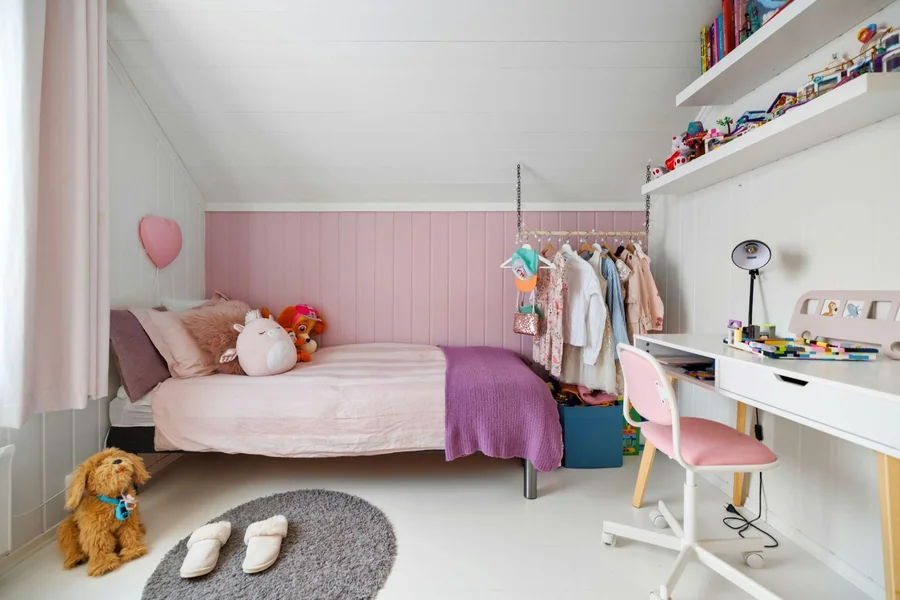
Ensuring our child’s room is safe requires careful selection of products. We prioritize using non-toxic and hypoallergenic options to promote a healthy environment.
Selecting Safe Cleaning Supplies
We choose cleaning supplies labeled as “non-toxic” or “child-safe.” Look for products free from harsh chemicals, such as ammonia or bleach. Opt for natural alternatives like vinegar, baking soda, or castile soap, which effectively clean without harmful side effects. Checking for certifications like Green Seal or the EPA’s Safer Choice helps identify safer options. By involving our children in the cleaning process using these safe supplies, we teach them the importance of choices that protect their health.
Furniture And Decor Considerations
We focus on furniture and decor made from non-toxic materials. Selecting items constructed from solid wood or certified low-VOC finishes reduces exposure to harmful chemicals. Avoid items with sharp edges or small parts to prevent injury. When choosing textiles, opt for organic cotton or other natural fibers that are free from harmful dyes. Regularly checking for recalls on furniture ensures our children’s safety. Making informed decisions in these areas creates a safe, inviting space where our children can thrive.
Establishing Cleaning Routines
Establishing consistent cleaning routines helps maintain a child’s room effectively. Engaging children in these routines fosters responsibility and creates a clean environment.
Daily Tasks To Maintain Cleanliness
Daily tasks keep the room tidy and prevent buildup of clutter. We can encourage our children to:
- Make their bed each morning to enhance space appearance.
- Sort toys into designated bins after playtime to maintain order.
- Wipe surfaces with a damp cloth to minimize dust accumulation.
- Put away clothes and shoes to reduce trip hazards.
Integrating these tasks into a daily routine cultivates responsibility and ensures the room remains inviting.
Weekly And Monthly Deep Cleaning
Regular deep cleaning maintains a healthy living space. We can implement a schedule for these tasks:
- Vacuum carpets and floors weekly to eliminate allergens and dirt.
- Clean windows and mirrors to maximize natural light and visibility.
- Rotate and wash bedding monthly to keep it fresh and allergen-free.
- Declutter and donate toys that are no longer played with every month.
Assigning specific tasks each week or month prevents overwhelming feelings while ensuring thorough cleaning.
Encouraging Child Involvement
Engaging children in maintaining their room fosters responsibility and independence. Involvement makes the process enjoyable, establishing routines that promote cleanliness.
Teaching Responsibility
Teaching children responsibility starts with assigning age-appropriate tasks. We can encourage them to make their beds daily and put away toys after playtime. Offering choices, such as selecting which clothes to fold or what to donate, empowers them. Praise them for completing tasks, reinforcing positive behavior and building confidence. Consistency in these responsibilities will help them understand the importance of a clean environment over time.
Fun Ways To Get Kids Involved
Involving kids in cleaning doesn’t have to be tedious. We can turn chores into games, like setting a timer for a quick clean-up race. Providing colorful bins for sorting toys can make organizing more playful. Making cleaning playlists with their favorite songs encourages them to dance while they tidy up. Incorporating family cleaning days with fun rewards fosters teamwork, creating a shared sense of accomplishment in maintaining their space. For more insights on child safety and home organization, check out resources from the American Academy of Pediatrics.