Why Modern Diesel Engines Require a Different Approach to Maintenance
 Johnathan Parker |
October 29, 2026 |
4:24 pm
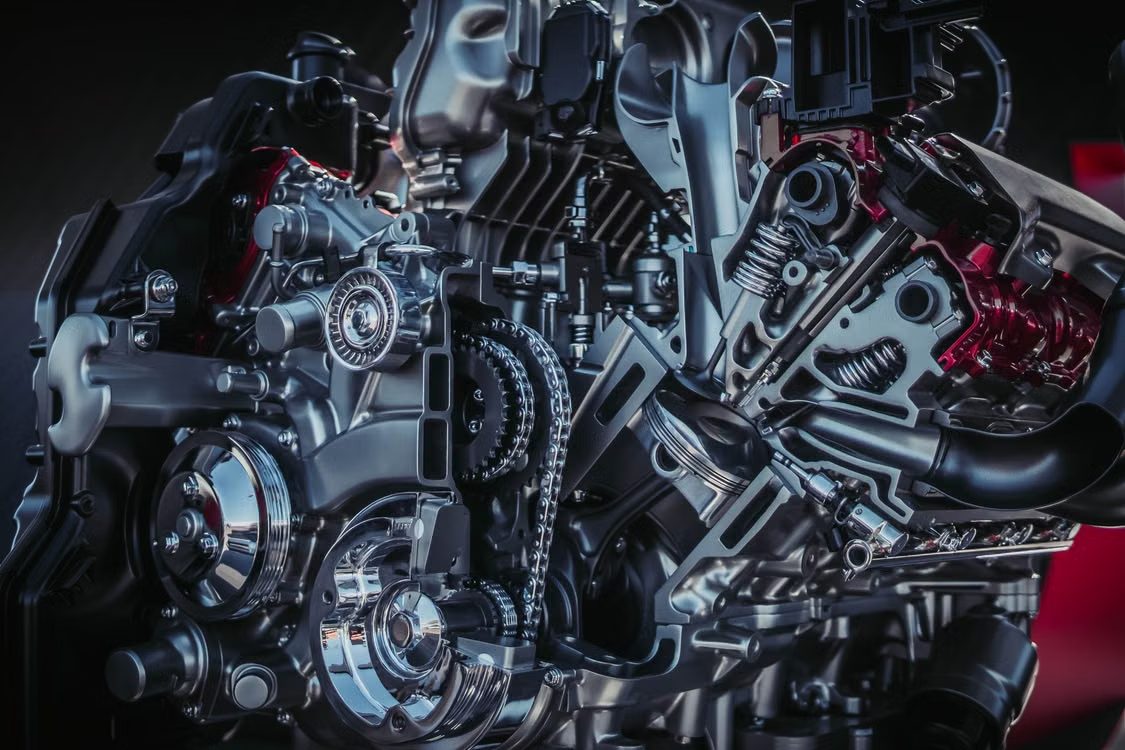
Modern-day diesel engines have changed significantly, becoming more fuel-efficient, emitting fewer pollutants, performing better, and being more reliable. However, with these changes came an increase in complexity and stricter standards of operation. Thus, servicing a more modern engine demands more than just following conventional servicing traditions. One needs to be aware of how modern-day mechanisms work and why proper service prevents costly trouble. Below are six key reasons for that.
Advanced Emissions Systems Need Careful Attention
A number of innovations have been employed in modern diesel engines to control the amount of emissions that are produced by such machines. Diesel particulate filters (DPF), exhaust gas recirculation (EGR), selective catalytic reduction (SCR), and diesel exhaust fluid systems all aid in cleaning up the process. The systems are also known to be susceptible to the type of driving and contamination. In case of very short trips, prolonged idling, and constant slow driving, the DPF will not go through the regeneration process, leaving a lot of soot in the system. Long trips are good for achieving regeneration temperatures.
Modern Fuel Systems Demand Cleaner Operation
Modern diesel engines are equipped with high-pressure common rail fuel injection systems that allow fuel injection in accurately measured amounts under very high pressure. While such systems improve combustion, they require greater fuel system cleanliness. Dirtiness of fuel, the presence of water, or blocked filters can negatively affect injectors and high-pressure pumps and lead to malfunction or even destruction of the parts in question. Timely replacement of the fuel filters, as suggested by the manufacturer, is necessary. Using reliable sources for refueling is also helpful. In addition, technicians need to pay attention to such problems as hard start-ups, rough idle, excessive smoke, or loss of power, which may be treated as usual symptoms of an old diesel engine.
Unique Lubrication Requirements Matter More Than Ever
Oil has various roles such as minimizing friction, heat control, transferring contaminants to the filter, and protecting parts that experience high stress levels. Current diesel engines may have certain viscosity and additive specifications, especially with regard to turbochargers and emissions technology. It is thus more important to use the correct specification rather than just going for oil designed for diesel engines. Vehicle owners should buy a high-quality 5W30 oil that meets the exact manufacturer-approved specifications for their engine. Adherence to the recommended oil change schedule is also important since oil may be damaged due to factors such as heat, contamination, and regeneration cycles. The appropriate lubricant will promote engine life as well as ensure proper functioning of emissions components.
Turbochargers Require Better Preventive Care
Modern diesel engines, with the help of turbocharging technology, manage to generate impressive power even with quite small displacement volumes. However, turbochargers are exposed to very high temperatures and speed levels. Problems with lubrication, insufficient airflow, dirty oil, or deposits may significantly reduce the lifespan of a turbocharger. It is important not to shut down an engine that has been operating intensively right after tough driving, especially if the manufacturer requires a certain cool-down period. The air filters need to be clean since any obstruction to the airflow may influence the combustion process as well as the turbocharger performance.
Electronic Controls Change the Diagnostic Process
In contrast to traditional diesel engines, the new models utilize the assistance of various control units and networks of sensors that measure parameters like temperature, pressure, airflow, fuel injection, exhaust gases, etc., and constantly control the work of the engine. This means that troubleshooting such engines might require not only visual checks but also special diagnostic tools because, in some cases, a malfunction is caused by sensors, wiring problems, software defects, or even mechanical troubles. With the help of proper diagnostic equipment, one will be able to get all the necessary fault codes and useful data on the work of the engine.
Service Intervals Need Greater Discipline
The design of contemporary diesel engines is based on a well-thought-out schedule of maintenance. Missing seemingly easy maintenance will lead to difficulties in many systems as they are highly connected. There are oil, air, fuel, and cabin filters that affect the performance of a vehicle; there is also a coolant system and belts that need checking to ensure the safety of the mechanical parts. It is important for a driver to maintain records and carry out maintenance according to the schedule recommended by the manufacturer, especially if the vehicle is used in tough conditions such as towing, heavy loads, short trips, or in extreme weather.
Contemporary diesel engines are very efficient and perform well; however, due to the highly advanced nature of the technology involved, a more informed approach to maintenance is needed. The emissions system, injection system, lubrication system, turbocharger, electronics, and proper maintenance schedule are just a few things to consider. Rather than acting according to one’s experience with old diesel cars, a better approach would be to follow the manufacturer’s instructions and take notice of any early symptoms of malfunction.