Why Automakers Divide Vehicle Technology Into Different Tiers
 Johnathan Parker |
October 29, 2026 |
12:58 pm
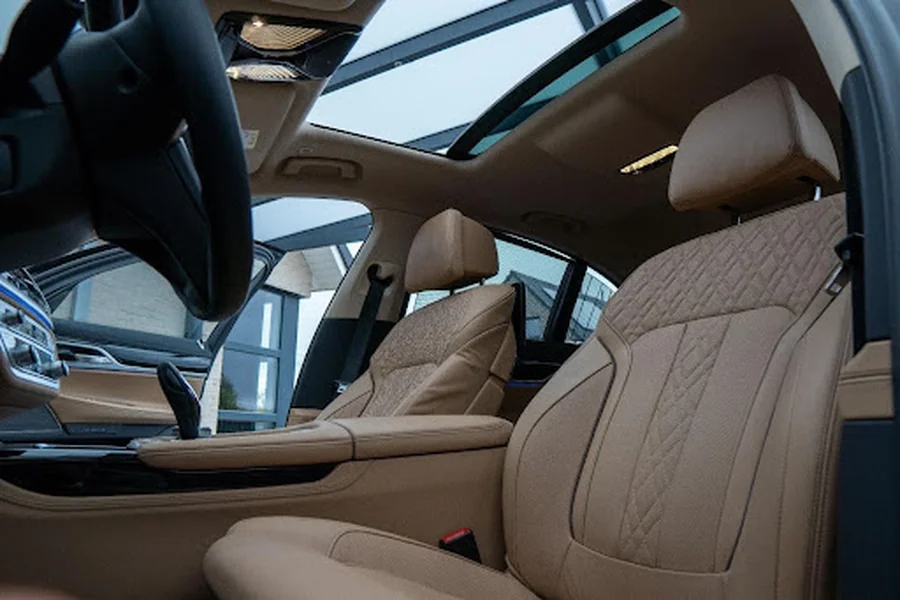
Modern vehicles are being defined by their internal technical aspects these days. The engine, its body and basic structure may remain the same across the model lines, but the technology and experience inside the vehicle can change significantly depending on the tier selected.
One version might include a conventional dashboard and basic cruise control, while a more expensive version offers advanced driver assistance, premium displays, and enhanced connectivity.
This approach allows automakers to sell the same underlying vehicle to customers with different expectations and budgets. However, it also raises questions about how features are valued, packaged, and sometimes restricted.
One Vehicle Can Serve Several Types of Drivers
Developing an entirely different vehicle for every type of customer would be prohibitively expensive. Automakers instead create a shared platform and offer several versions of it. An entry-level vehicle may appeal to drivers who prioritize affordability, while a higher tier can target buyers interested in convenience, performance, or luxury.
Technology packages make this strategy easier. Manufacturers can install different infotainment systems, safety features, cameras, or sound equipment without redesigning the whole vehicle. This gives customers more choice while allowing the automaker to reach several sections of the market with one model.
The differences are not always limited to digital features. Higher tiers may include larger wheels, upgraded suspension, or specialist tires. A buyer comparing packages while searching for Goodyear tires online should utilize the technology built into the tires. From their trims and their characterizes, the right set of tires can amplify the features built into your vehicle.
Technology Creates Clear Price Steps
Automakers need customers to understand why one version costs more than another. Technology provides a visible way to separate pricing tiers. A larger touchscreen, panoramic camera, premium audio system, or hands-free parking feature gives the buyer something tangible in return for the higher price.
These packages can also encourage customers to move beyond the least expensive model. A buyer may initially choose a midlevel version for one desired safety feature but discover that the package also includes heated seats, a digital instrument display, and wireless phone charging. The combined value can make the more expensive tier appear worthwhile, even if not every feature is essential.
This model is commercially effective because the cost of adding technology may be lower than the price difference charged to the customer. Once software and hardware have been developed, they can be deployed across large numbers of vehicles.
Bundling Simplifies Vehicle Production
Offering every feature as an individual option would create an enormous number of possible configurations. That complexity could disrupt assembly lines, slow deliveries, and make it harder for dealerships to stock suitable vehicles.
Technology tiers reduce the number of combinations. Instead of allowing customers to select every sensor, screen, and assistance feature separately, the manufacturer groups compatible equipment into defined packages. The production process becomes more predictable, and dealerships can explain the differences more easily.
Bundling is not always ideal for buyers. Someone who only wants adaptive cruise control may have to purchase a package that includes several unwanted features. The system benefits manufacturing efficiency, but it can require customers to pay for more technology than they originally intended to buy.
Software Is Changing the Meaning of an Upgrade
Traditionally, choosing a technology package was a permanent decision made when ordering the vehicle. Software-defined vehicles are beginning to alter that relationship. Some cars leave the factory with hardware already installed, even if the buyer has not paid to activate every function.
This allows features to be unlocked later through a one-time payment or subscription. A used-car buyer might activate an advanced parking system, additional performance, or a comfort feature that the original owner did not purchase.
For automakers, this creates revenue after the initial sale. For drivers, it provides flexibility, but it can also cause frustration. Customers may question why they must pay to activate equipment that physically exists inside a vehicle they own.
Safety Features Complicate the Tiered Model
Technology packages become more controversial when they involve safety. Consumers may accept paying extra for premium speakers or decorative displays, but collision warnings and assistance systems can feel different. If technology can reduce the likelihood or severity of a crash, some drivers believe it should be standard.
Automakers must balance affordability with the cost of developing and installing these systems. Over time, features that begin in premium tiers often become standard as production costs fall and customer expectations change. Backup cameras, automatic emergency braking, and blind-spot monitoring demonstrate how advanced technology can gradually move into mainstream vehicles.
Reflects a Broader Business Strategy
Vehicle technology tiers are not simply collections of optional equipment. They allow automakers to manage production, establish clear price levels, and appeal to different customers without developing a separate car for every audience.
As vehicles become more dependent on software, the distinction between standard and optional technology may become less visible. The hardware could be identical, while software determines what each vehicle can do. This creates greater flexibility, but it also makes transparency increasingly important. Drivers need to understand what they are purchasing, which features require continuing payments, and whether an upgrade will affect future maintenance costs.
Tiered packages turn one vehicle into several distinct products. The challenge for automakers is ensuring those differences offer genuine value rather than making customers feel that useful technology has been unnecessarily withheld.