Off-Grid Kits for Farms: Powering Essential Equipment
 Johnathan Parker |
October 29, 2026 |
7:42 pm
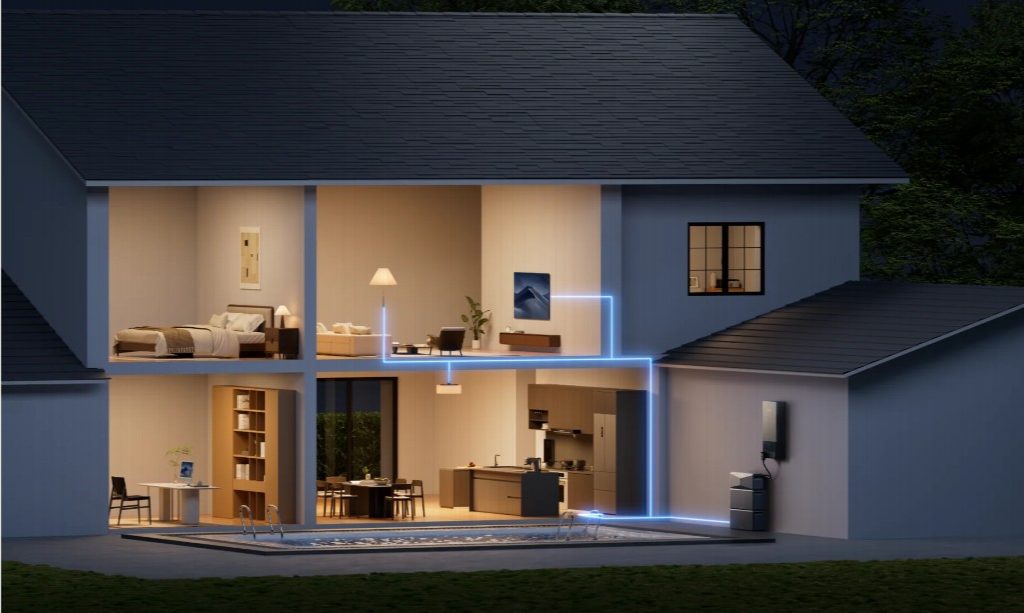
Off-grid kits can keep essential farm operations running where grid access is limited or unreliable. Solar panels generate electricity, batteries store it for use after sunset, and an inverter powers compatible AC equipment. The right setup starts with the loads that matter most: irrigation, livestock protection, lighting, ventilation, and tools. Calculate their daily energy use and startup demands before choosing components, then plan for seasonal sunlight, harsh conditions, and critical backup needs.
Essential Farm Equipment That Off Grid Kits Can Power
Water Pumps and Irrigation Systems
Solar-powered kits can run water pumps for tanks, troughs, drip irrigation, and smaller pressure systems when the inverter and battery support the motor’s demands. Check running wattage, startup surge, voltage, and daily runtime before sizing equipment. Irrigation schedules also matter: pumping during strong sunlight can reduce battery use. Large or deep-well pumps may require dedicated systems or professional electrical design.
Electric Fencing and Livestock Monitoring Devices
Electric fence energizers typically use relatively little power, making them suitable for a properly sized off-grid supply. Cameras, sensors, gate controls, and wireless livestock monitors add loads that may run continuously. Check each device’s input rating and backup requirements, especially where losing power could affect animal safety. Use weather-rated enclosures and maintain a dependable supply for essential monitoring and fencing equipment.
Barn Lighting, Ventilation Fans, and Workshop Tools
LED barn lights and small electronics are generally modest loads, while ventilation fans and workshop tools can draw more power. Motors may need a startup surge, and saws or grinders can demand high current under load. List which devices run together, then compare their combined wattage with inverter capacity. Schedule occasional tool use when solar production is strong to conserve stored energy.
Calculate Your Farm’s Daily Electricity Requirements
List every device the system must power, its wattage, and its daily runtime. Multiple watts by hours to estimate watt-hours, then add for a daily total. Instead of assuming full power all day for cycle equipment like freezers and pressure pumps, assess energy use. Motor starting requirements impact inverter size, thus record them individually. Consider seasonal loads, standby devices, cloudy-day demands, and conversion losses. This estimate guides panel output and useable battery capacity; update when operations or equipment change.
Choose the Right Solar Panels, Batteries, and Inverter
Size Solar Panels for Seasonal Farm Energy Demand
Size the array to cover daily consumption and recharge the battery during the season when the farm needs power most. Winter daylight, cloud cover, dust, shade, and panel orientation can reduce production. Use local solar estimates and the panel’s specifications, then allow practical margin rather than relying on peak-rated output. Keep panels clear and accessible for routine cleaning.
Select Battery Capacity for Overnight and Backup Power
Choose usable battery capacity based on overnight loads and how long essential equipment must operate without adequate sunlight. Include refrigeration, monitoring, lighting, and any pumps that cannot wait until morning. Check the battery’s permitted depth of discharge, temperature range, and charging limits. More storage extends autonomy, but it does not solve an array that consistently produces less energy than the farm consumes.
Match Inverter Output to Farm Equipment Requirements
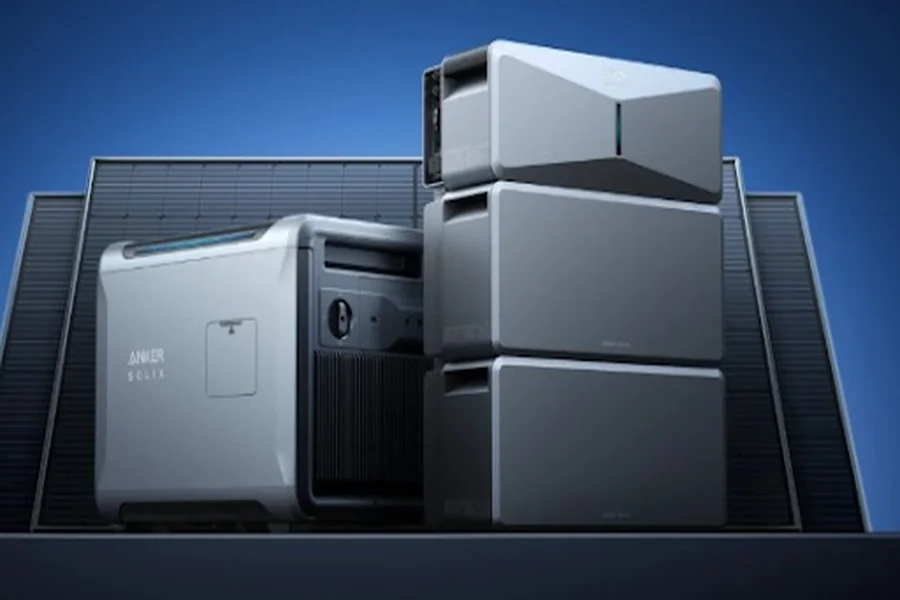
Compare the inverter’s continuous rating with the wattage of equipment likely to operate simultaneously, then check surge capacity for pumps, fans, and other motors. When evaluating the Anker E10 Off-Grid Kit, verify its published continuous output, surge rating, battery capacity, and solar-input limits against your farm’s actual loads. Do not choose from a peak-output figure alone; confirm voltage and wiring requirements before installation.
Set Up Reliable Power Across Different Farm Areas
Plan Solar Installations for Barns and Open Fields
Place panels where they receive consistent sunlight without shadows from trees, silos, rooflines, or equipment. Barn roofs can save ground space, but confirm structural capacity, roof condition, cable routes, and safe maintenance access first. Ground-mounted arrays offer easier cleaning and adjustment but need secure mounting and protection from vehicles and livestock. Follow local electrical and building requirements for every installation.
Power Remote Pumps and Equipment With Dedicated Systems
A remote trough pump, gate, or monitoring station may work better with a dedicated solar-and-battery system than long cable runs from the main farmstead. Size each setup for its local load, required runtime, and worst-season sunlight. Protect batteries and controls in suitable enclosures, and ensure the system can be inspected without disrupting other farm operations. Use qualified installers for hazardous or complex wiring.
Protect Electrical Components From Dust, Moisture, and Heat
Farm environments expose equipment to dust, washdown water, humidity, vibration, and temperature swings. Select enclosures and connectors rated for their actual location, keep ventilation openings clear, and route cables away from sharp edges, animals, and moving machinery. Avoid placing batteries near heat sources or corrosive materials. Inspect seals and cable glands regularly, and have damaged insulation or overheated connections repaired promptly by a qualified technician.
Improve Reliability and Manage Farm Energy Costs
Schedule Irrigation and Other Flexible Loads During Sunlight Hours
Run flexible tasks, such as tank filling, irrigation, or tool-battery charging, when solar output is strongest. This lets the array supply more of the load directly and preserves stored energy for evening or essential overnight use. Use timers or controls where appropriate, but maintain required watering schedules and animal-care routines. Avoid operating several high-demand motors together unless the inverter can handle their combined load and startup surges.
Monitor Battery Levels and Solar Production
Check daily solar generation, battery state of charge, and system alerts through the controller or monitoring app. Compare readings with weather and equipment use to distinguish normal seasonal changes from faults. A repeated shortfall may indicate shading, dirty panels, a failing connection, growing demand, or inadequate array size. Keep a simple log and investigate sudden changes rather than waiting for essential equipment to lose power.
Plan Backup Power and Routine System Maintenance
Identify which farm loads must remain powered during extended cloudy periods or equipment faults, then size storage and backup arrangements around those priorities. A battery backup for home system may cover household essentials, but farm pumps, fencing, and ventilation need their own load checks and suitable ratings. Inspect panels, mounts, cables, battery alerts, and enclosure seals on a schedule, and test backup procedures before emergencies occur.
Conclusion
Reliable farm power begins with a clear load list and equipment sized for both daily energy use and motor startup demands. Match solar production to seasonal needs, choose enough usable battery storage, and confirm inverter ratings for the equipment that runs together. Protect components from farm conditions, monitor performance, and schedule flexible loads during sunlight. Regular checks help identify shortfalls early and keep essential operations running with fewer surprises.