What Generator Features Matter Most During Winter Storms?
 Johnathan Parker |
October 29, 2026 |
7:42 pm
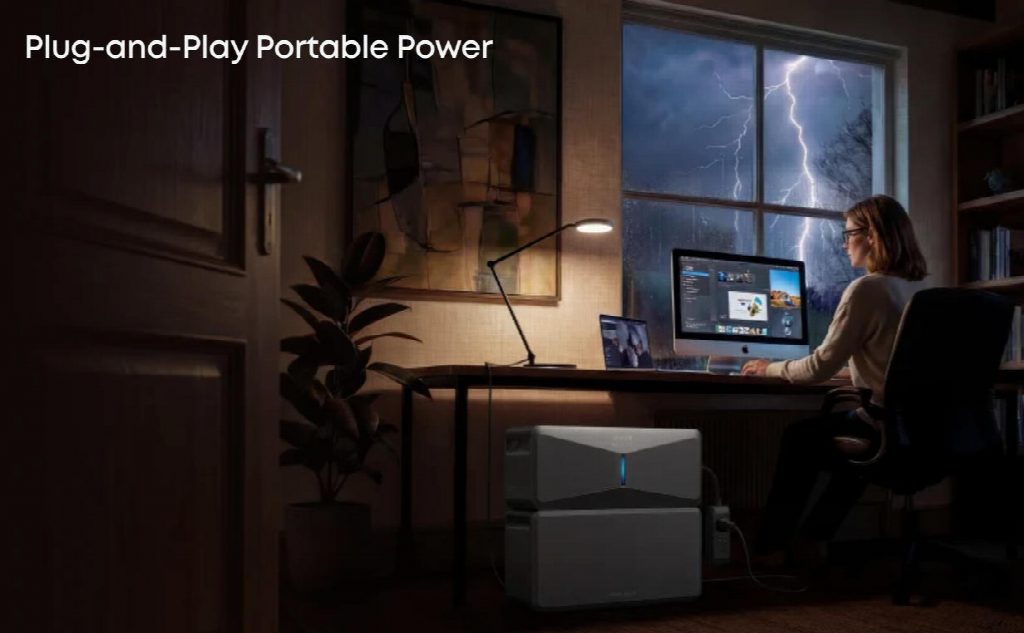
Winter storms test a home’s backup power system in several ways at once. Snow and ice can interrupt electricity for hours or days, while freezing temperatures increase heating demand and place extra pressure on essential appliances. Choosing a generator therefore requires more than checking its rated wattage. Homeowners should examine cold-weather operating limits, starting power, fuel or charging access, automatic switchover, and installation safety. The right combination keeps essential household systems running when outdoor conditions make normal routines difficult.
The Features That Matter When Temperatures Drop
Cold-Weather Performance Starts With the Operating Range
A generator must operate within the temperatures specified by its manufacturer. For fuel-powered models, cold weather can affect engine starting, battery performance, and fuel-system operation. Battery-based systems have different requirements, including temperature limits for charging and discharging. Check these limits against the winter conditions expected in your area, particularly if the equipment will sit outdoors. An enclosure rating also matters because snow, moisture, and wind-driven precipitation can reach exposed equipment. For example, Anker SOLIX E10’s power module and B6000 battery modules have a specified operating range of -4°F to 131°F (-20°C to 55°C). Their NEMA Type 4 enclosure rating is another relevant specification when evaluating outdoor installation conditions.
Heating Equipment Needs More Than Running Watts
Winter backup planning should begin with the appliances that protect household comfort and safety. Furnaces may need electricity for blowers, controls, and ignition systems, while heat pumps, circulation pumps, and well pumps can add substantial demand. Refrigerators, lights, routers, and medical equipment may also need continuous power. Motors and compressors draw additional current when starting, so the generator must support peak demand as well as normal operation. List each essential appliance, record its running wattage, and check its starting requirements. Anker SOLIX E10 delivers 7.6 kW of continuous output per unit and 10 kW of turbo output for up to 90 minutes with two batteries. These ratings provide a useful starting point when checking compatibility with household loads.
Automatic Switchover Protects Essential Routines
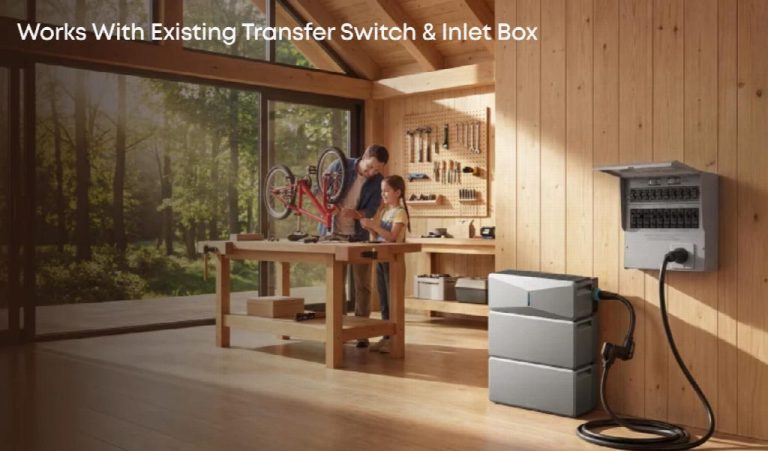
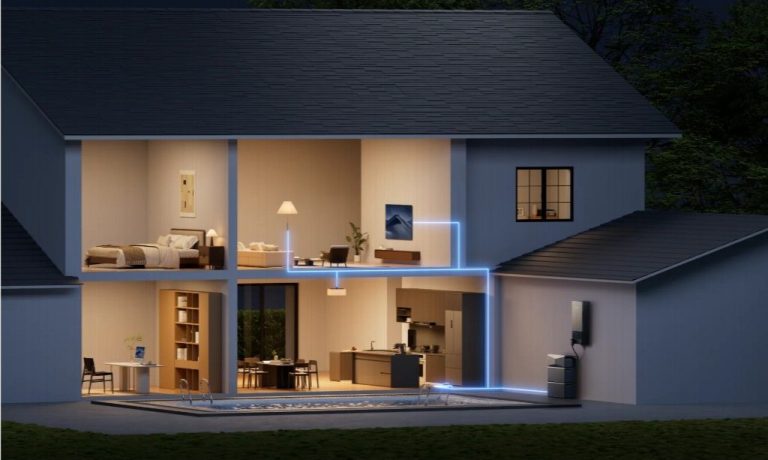
During a severe storm, an outage may occur overnight or while everyone is away from home. Automatic backup reduces the need for someone to operate equipment manually when power fails. The transfer equipment must be compatible with the home’s electrical system and configured correctly by a qualified electrician. Anker SOLIX E10 paired with its Power Dock has a specified switchover time of 20 milliseconds or less. This rapid transition is relevant for household electronics, communications equipment, and other connected loads that benefit from a short interruption. Homeowners should still confirm which circuits receive backup power and whether the system’s output meets the starting and continuous demands of the appliances connected to them.
Keeping Backup Power Available Through a Long Storm
Recharging Options Determine How Long Power Lasts
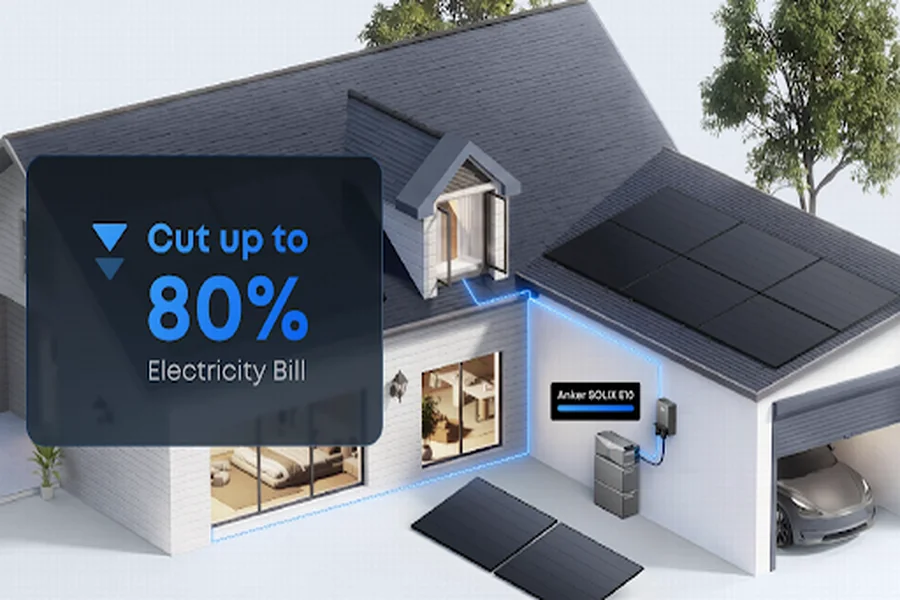
A winter storm can last longer than a single battery charge or best generator for home backup power‘s available fuel supply. Before choosing a system, estimate how much electricity the household consumes each day and identify how the equipment will replenish its energy. Fuel-powered generators need an accessible supply of compatible fuel. Battery systems may recharge from the grid when electricity returns, from solar panels when conditions permit, or through supported generator charging. Snow cover and short daylight hours can limit solar production, so winter planning should account for realistic weather conditions. Anker SOLIX E10 supports up to 9 kW of solar input per unit and Smart Generator charging. This combination provides additional charging options for households preparing for outages that extend beyond the initial stored energy supply.
Installation Location and Protection Matter in Snow and Ice
Where equipment sits can determine how easily homeowners inspect and maintain it during a storm. Keep access routes clear and follow the manufacturer’s required clearances. Fuel-powered generators must remain outdoors, away from doors, windows, and air intakes, because exhaust contains carbon monoxide. Never operate them in a garage or enclosed space. Battery equipment also needs an approved installation location, suitable electrical connections, and protection consistent with its specified enclosure and operating limits. Anker SOLIX E10’s B6000 battery modules support floor or wall mounting, allowing installers to assess the site’s conditions. In areas prone to flooding or drifting snow, the installation height, drainage, and access for inspection deserve particular attention. A qualified installer should verify the final arrangement.
Plan for Whole-Home Demand, Not Just the First Outage Hour
A short interruption may require only lighting and communications, but an extended winter outage can create a different electrical profile. Heating equipment may run for longer periods, pumps may cycle more frequently, and household members may spend more time indoors. A useful backup plan separates essential loads from optional ones and estimates their daily energy requirements. Anker SOLIX E10 can expand to 30 kWh of battery capacity per unit, with up to 90 kWh across three units with the Power Dock. Its continuous output can also expand from 7.6 kW per unit to 22.8 kW across three units. These options let households evaluate storage and output against their own heating equipment, appliance demand, and expected outage duration.
Conclusion
The best generator for home backup power during winter storms is one that matches local temperatures, household starting loads, and the expected length of an outage. Cold-weather ratings, automatic switchover, safe installation, and practical recharging options all deserve careful attention. Battery systems such as Anker SOLIX E10 offer expandable storage and multiple charging options, while fuel-based generators provide electricity through fuel conversion. Review the manufacturer’s specifications, calculate essential loads, and arrange professional installation before winter weather arrives.