Strategies for Expanding the Lifespan of Commercial Buildings
 Johnathan Parker |
April 21, 2025 |
4:10 pm
Johnathan Parker |
April 21, 2025 |
4:10 pm
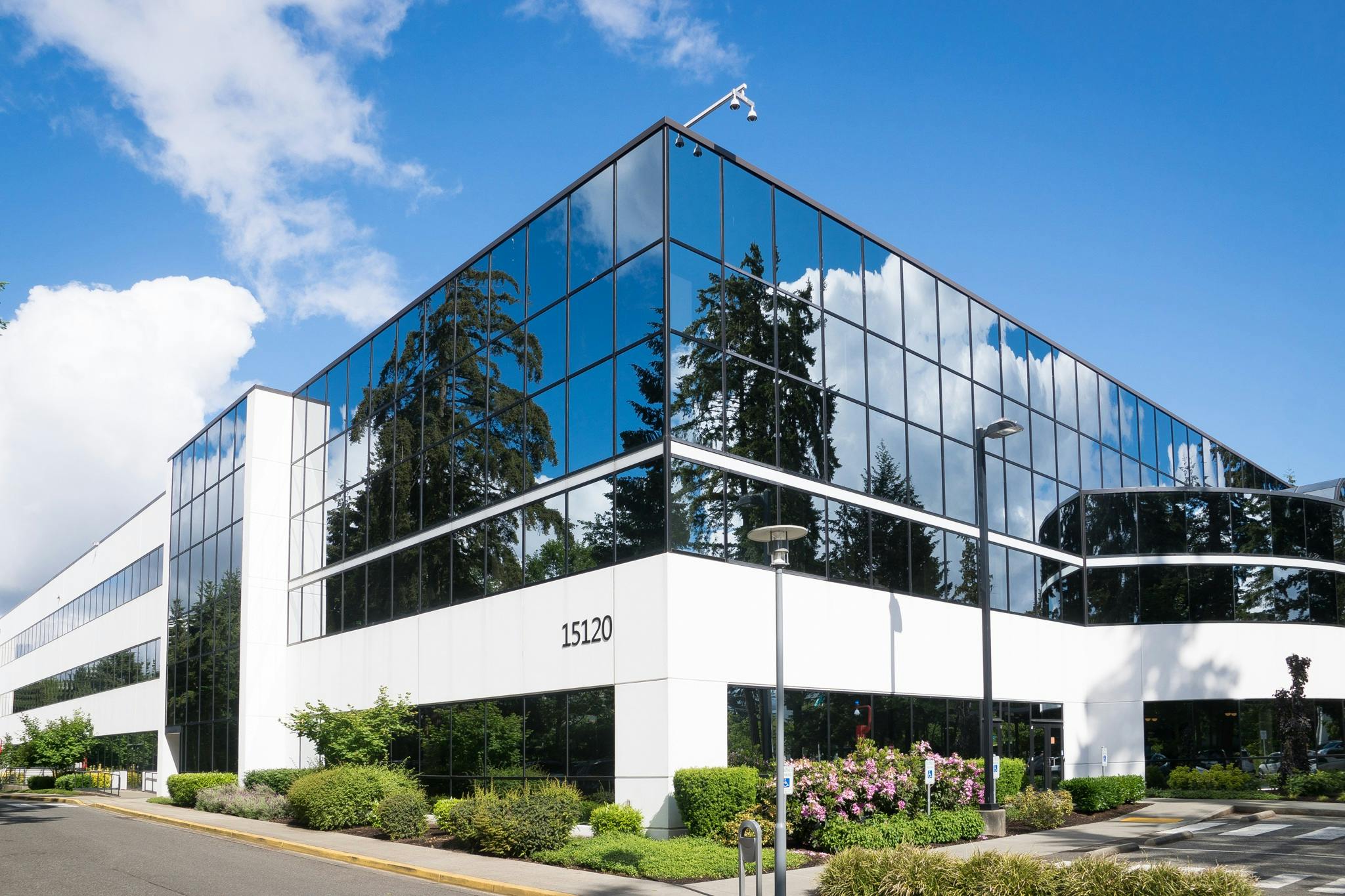
Commercial buildings represent major investments for companies and organisations. Keeping these assets in good working order for as long as possible makes good business sense. There are several strategies that can help expand the lifespan of commercial buildings and delay the need for costly replacements or major renovations.
Regular Inspections and Assessments
Conducting regular technical inspections and assessments is essential for identifying potential problems early. Specialist surveyors can undertake in-depth reviews of all major building systems and spot areas in need of repair, upgrading or replacement. Thermal imaging inspections can detect dampness and leaks. Electrical testing ensures circuits and components are functioning properly. With potential issues identified in advance, proactive steps can be taken to avoid more significant damage or system failures down the line. Staying on top of the building’s condition is key for ensuring your asset doesn’t depreciate beyond the scope of normal wear and tear.
Planned Preventative Maintenance
A robust planned preventative maintenance schedule (PPM) helps keep buildings operating efficiently and headed off big repair bills. Planned preventative maintenance services for effective building maintenance scheduling involves scheduling regular servicing, testing and replacement of building systems and components before they fail. For example, HVAC systems should be serviced twice yearly; fire detection and suppression systems may need annual testing and certification; lifts require regular safety checks and refurbishment on a 10-15 year cycle. Setting up a building preventive maintenance plan, keeping accurate maintenance records and sticking to timelines helps optimise lifespans.
Energy Efficiency Improvements
Upgrading old, inefficient building systems can significantly expand usable lifespans. Replacing dated single glazed windows with modern double glazing reduces heat loss. Installing building management systems allows better control over heating, cooling and lighting needs. Switching to LED lighting cuts energy usage. Solar panels can generate renewable power on-site. Grants may help fund these sustainability upgrades. The long-term energy savings and reduced carbon footprint make the investment worthwhile.
Protective Measures
Implementing measures to protect against weather damage and normal wear-and-tear will extend the lifespan of commercial buildings. For example, repointing brickwork and sealing joints helps prevent water ingress. Trees located too close should be pruned back to avoid root damage. Installing gutter guards reduces blockages. Heavy traffic areas may require more durable floor finishes. Security features like CCTV cameras and access control systems prevent vandalism and unauthorised access which could lead to damage. Small steps can make a big difference.
Adaptive Reuse Strategies
When commercial buildings no longer suit their original purpose, adaptive reuse strategies can give them renewed life. Sympathetic renovations can transform old warehouses into modern office complexes or industrial units into residential lofts, for instance. Such projects retain the building’s embodied energy while giving it a viable new purpose. Historic restoration projects may qualify for tax relief as well. Adapting and upgrading is often cheaper than demolishing and starting over.
A commercial building represents a major asset. With proper care and strategic maintenance, upgrades and reuse approaches, its usable lifespan can be significantly extended before replacement is necessary, saving companies money and resources over the long run. Preventative planning and proactive maintenance are key to achieving maximum longevity.