How Security Cameras Work Without Wi-Fi: Wired & Offline Solutions
 Johnathan Parker |
March 15, 2025 |
5:12 pm
Johnathan Parker |
March 15, 2025 |
5:12 pm
Home security is crucial in today’s world, but not all environments have stable Wi-Fi connections. Many homeowners and businesses need surveillance solutions that work without internet access. Whether securing a remote cabin, monitoring a warehouse, or simply avoiding Wi-Fi-related vulnerabilities, security camera without wifi options provide a practical alternative. These cameras use different technologies, such as cellular networks, direct wiring, or onboard storage, to capture and store footage. This guide explores how these systems work, their advantages, and which type may suit your needs best. Understanding these options helps you make an informed decision to keep your property safe in any situation.
Understanding Non-Wi-Fi Security Cameras
What Are Security Cameras Without Wi-Fi?
Non-Wi-Fi security cameras operate independently of an internet connection. They use various methods to store or transmit footage, such as built-in SD cards, direct connections to DVR systems, or mobile data networks. Unlike Wi-Fi-based cameras, these alternatives don’t rely on external servers, reducing the risk of cyberattacks. These cameras are ideal for locations with weak or no internet access. Additionally, they provide uninterrupted security even when network outages occur. Their ability to function independently makes them a reliable choice for continuous surveillance in any environment.
Advantages of Cameras That Don’t Require Wi-Fi
Cameras without Wi-Fi offer enhanced security and reliability. Since they don’t depend on an internet connection, they remain operational during network failures. Many wired or SD card-based systems offer higher-quality video with minimal latency, making them ideal for critical surveillance. Additionally, they are less vulnerable to hacking since they don’t transmit data over unsecured networks. These cameras also offer flexible installation options, working well in remote areas without requiring extensive infrastructure. Their ability to function independently ensures effective monitoring in various locations.
Types of Security Cameras That Work Without Wi-Fi
Cellular Security Cameras
Cellular security cameras use mobile networks to send footage directly to connected devices. These cameras require a SIM card with a data plan to operate effectively. They are perfect for locations without internet access, such as construction sites, cabins, or rural properties. While cellular cameras provide great flexibility, they require a strong mobile signal to function correctly. They also consume data depending on video quality and recording frequency. Choosing a cost-effective data plan ensures smooth operation without excessive costs. These cameras provide real-time monitoring without relying on traditional networks.
Wired Security Camera Systems
Wired security camera systems use physical cables to connect directly to a central recording unit. These systems provide stable, high-quality video without the lag associated with wireless cameras. Installation may require professional assistance, as running cables through walls and ceilings can be complex. However, once installed, these cameras offer continuous, reliable surveillance. They work well for large properties where maintaining a strong Wi-Fi connection would be difficult. Additionally, wired systems are not susceptible to network interference, ensuring clear and consistent footage at all times.
SD Card and DVR-Based Cameras
Some security cameras store footage on SD cards or digital video recorders (DVRs) rather than transmitting it to cloud storage. These cameras are completely independent of internet access, making them highly secure. Users must regularly check and manage storage to prevent overwriting important footage. SD card-based systems are easy to install and operate, making them suitable for homeowners seeking a simple surveillance solution. DVR setups, on the other hand, can support multiple cameras, making them ideal for business use. Managing storage space ensures continuous recording without data loss.
How to Set Up Non-Wi-Fi Security Cameras
Installation and Placement Tips
Proper installation is key to maximizing a camera’s effectiveness. Identify vulnerable areas such as entry points, driveways, and secluded corners. Mount cameras at a height that prevents tampering while maintaining a wide field of view. Outdoor cameras should have weatherproof housing to withstand harsh conditions. For night surveillance, ensure the camera has proper lighting or infrared capabilities. Avoid placing cameras too far from their power sources to prevent disruptions. Regular maintenance, such as cleaning lenses and checking storage, helps keep the system running efficiently.
Configuring Cellular and Wired Cameras
Setting up cellular cameras involves inserting a SIM card and activating a data plan. Follow the manufacturer’s instructions to connect the camera to a mobile network. Ensure the signal strength is adequate for seamless footage transmission. For wired cameras, connect them to a DVR using provided cables. Secure all connections to avoid disconnections and ensure uninterrupted video recording. Adjust camera angles to minimize blind spots. Test the system by reviewing footage to confirm smooth operation. Routine system checks help maintain consistent performance over time.
Top Security Camera Model Without Wi-Fi in 2025: eufyCam S300
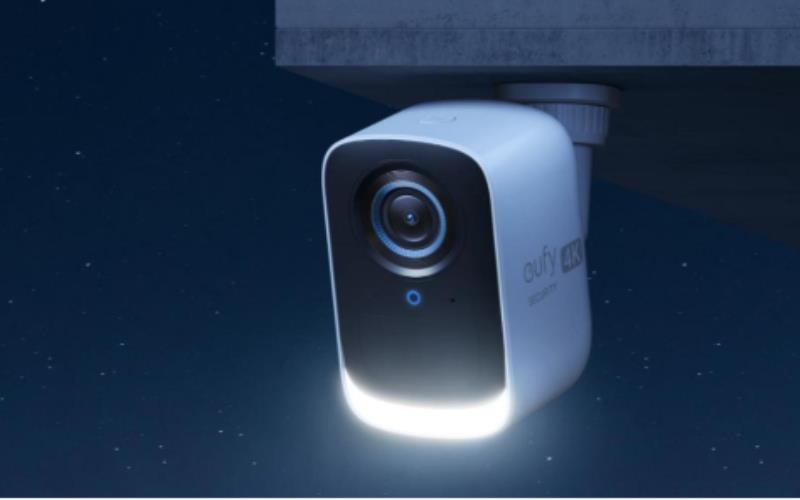
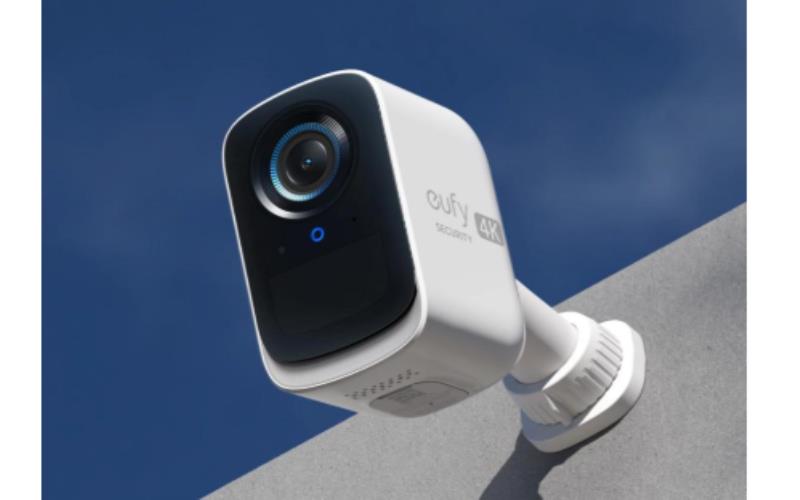
The eufyCam S300 (also known as eufyCam 3C) is an excellent choice for those needing a non-Wi-Fi security camera. It records in 4K resolution, ensuring clear video quality both day and night. Equipped with BionicMind™ AI, it can differentiate between familiar faces and unknown visitors, reducing false alarms. It features up to 16 TB of expandable local storage, allowing users to store large amounts of footage without cloud reliance. With a 180-day battery life, this camera provides long-term operation without frequent recharging. However, it requires HomeBase 3 for centralized management. Its advanced technology makes it a top-tier solution for non-Wi-Fi security needs.