Company-Owned vs. Personal Vehicles: Why It Matters in a Delivery Vehicle Accident Lawsuit
 Johnathan Parker |
July 2, 2025 |
10:21 am
Johnathan Parker |
July 2, 2025 |
10:21 am
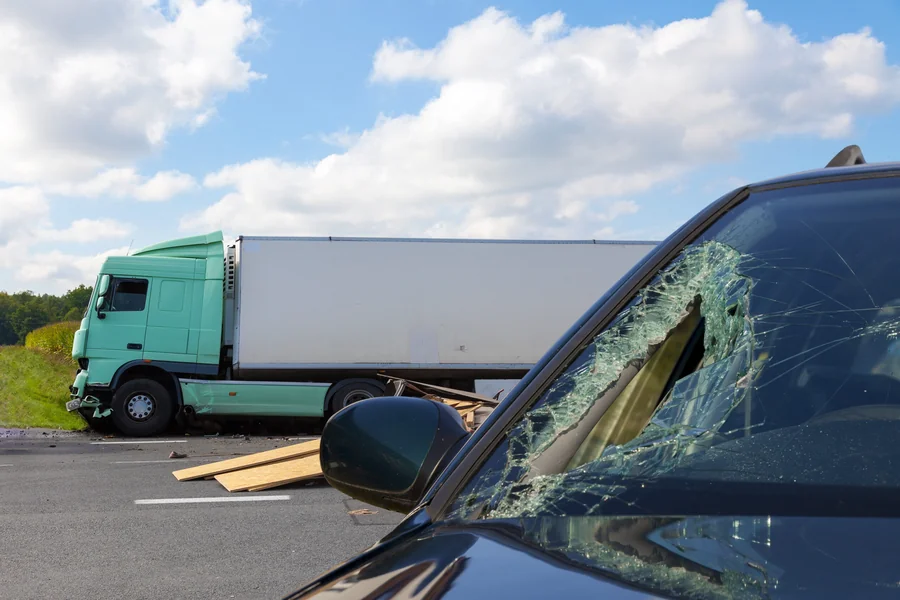
Not all delivery vehicles are created equal, and in an accident lawsuit, this distinction can mean the difference between full recovery and an uphill battle. In Baton Rouge, where everything from dinner to drywall is delivered at breakneck speed, more and more people are being injured in collisions involving delivery drivers. But before a claim can move forward, one crucial question must be answered: was the driver behind the wheel of a company-owned vehicle or using their personal car for work?
At first glance, it might not seem like a big deal. After all, a crash is a crash. But legally, the type of vehicle and who owns it open entirely different legal routes. Company trucks typically trigger corporate accountability. Personal vehicles—especially in the gig economy—create murky chains of liability, often with insurance gaps and legal finger-pointing. That’s where firms like Babcock Injury Lawyers step in, cutting through the noise and making sure victims aren’t left behind.
The Ownership Question That Changes Everything
Imagine two identical crashes: both involve a delivery driver running a red light. In one case, the driver is in a marked fleet vehicle. On the other hand, they’re driving their personal sedan while dashing between orders. The outcomes for victims in these cases could be wildly different because who owns the vehicle often determines who’s responsible and how much compensation is available.
Company-owned vehicles usually mean higher insurance coverage, corporate liability, and a clearer legal process. Personal vehicles, on the other hand, might not even be covered by the driver’s insurance once commercial activity enters the picture. The distinction matters more than most people realize, especially when injuries are serious.
Corporate Trucks Come With Corporate Accountability
When a delivery driver is operating a company-owned vehicle on the job, their employer is typically on the legal hook. This principle—called “vicarious liability”—means the company may be responsible for any damage the driver causes while performing their duties. For injured victims, that can be a major advantage.
Large delivery companies often carry robust insurance policies designed to absorb the risk of vehicle crashes. These policies offer more than just basic medical bills—they can also cover long-term care, lost income, and emotional trauma. In these cases, the employer’s safety policies (or lack thereof) also come under scrutiny, creating pressure for systemic change, not just individual payouts.
The Hidden Risks of Personal Vehicles Used for Work
The use of personal vehicles for work—especially in the gig economy—carries legal and financial risks that many drivers and victims don’t fully realize until after an accident. Here are the hidden dangers that come with using personal cars for commercial purposes:
- Lack of commercial coverage: Most personal auto insurance policies exclude accidents that occur during commercial activity, such as food or package delivery, leaving drivers exposed.
- Claim denials after crashes: If an accident happens while the vehicle is being used for deliveries, personal insurers often deny coverage entirely due to policy exclusions.
- Vehicles not designed for the job: Personal cars used for frequent deliveries may lack safety features, durability, or maintenance needed for high-mileage, stop-and-go driving.
- Contractor loopholes: Gig companies may deny responsibility by labeling drivers as “independent contractors,” avoiding liability for accidents and shifting the burden to individuals.
- Legal gray areas for victims: Injured parties may find themselves in a legal limbo, with both the driver’s insurer and the delivery platform pointing fingers at each other.
- Delays and underpayment: The complexity of these cases often leads to drawn-out claims processes and settlements that fail to reflect the true cost of medical care, lost wages, or long-term suffering.
Are They an Employee or Just a “Partner”?
Delivery platforms love to label drivers as “independent contractors,” but courts are beginning to look closer. Was the driver’s schedule controlled by an app? Did the company assign routes or penalize slow deliveries? If so, that’s not independence—that’s employment dressed up as a loophole.
This matters in court. If a driver is found to be functionally an employee—even if labeled otherwise—the company may be liable for their actions. That opens access to broader insurance, legal accountability, and the ability to question how that company trains, monitors, and compensates its workers.
Unraveling Insurance—Layer by Layer
One of the trickiest parts of delivery vehicle crash cases is tracing the insurance trail. For a company vehicle, the policy is often clear and direct. For personal cars? Not so much. Victims might find themselves staring down three different insurers: the driver’s personal provider, the delivery platform’s contingent policy, and—if lucky—a corporate umbrella policy.
But these insurers don’t volunteer to pay. They point fingers, claim exemptions, and stall. Without a lawyer who knows how to force transparency and apply pressure, victims can end up settling for a fraction of what they need to heal and rebuild.
Evidence That Makes or Breaks the Case
To determine whether a vehicle was used personally or commercially, your legal team will need to move fast. Evidence like app activity logs, dashcam footage, GPS routes, or even pay stubs can make the difference. That’s especially true in cases where companies deny the driver was “on the clock.”
Preserving digital and physical evidence is crucial. So is interviewing witnesses early and issuing legal holds to prevent companies from deleting delivery records. The more quickly a lawyer can act, the harder it becomes for companies to hide behind ambiguity.
After the Crash: What to Do Immediately
If you’ve been hit by a delivery driver, don’t just take a business card and call it a day. Snap photos of the license plate, vehicle make, any company logos, and the driver’s uniform. Ask who they’re delivering for and what app (if any) they’re using. These small actions can provide a roadmap to the truth.
Get medical attention right away—even if you feel fine. Many injuries from delivery crashes, such as back injuries or concussions, can take time to surface. Your medical records will also play a key role in establishing damages down the line.
Why You Need an Advocate Who Knows the System
Going up against a delivery company—even a local one—isn’t like handling a typical fender-bender. These businesses are structured to minimize liability and protect their bottom line. Without skilled representation, your story can get lost in paperwork and policies.
A lawyer who understands the nuances of delivery lawsuits can trace the liability, decode insurance layers, and push back against companies that try to dodge responsibility. Whether the driver was behind the wheel of a branded truck or a borrowed compact car, your injuries deserve justice, and your voice deserves to be heard.