From Amateur to Professional: How a Soundproof Booth Changes your Career
 Johnathan Parker |
July 25, 2026 |
1:42 pm
Johnathan Parker |
July 25, 2026 |
1:42 pm
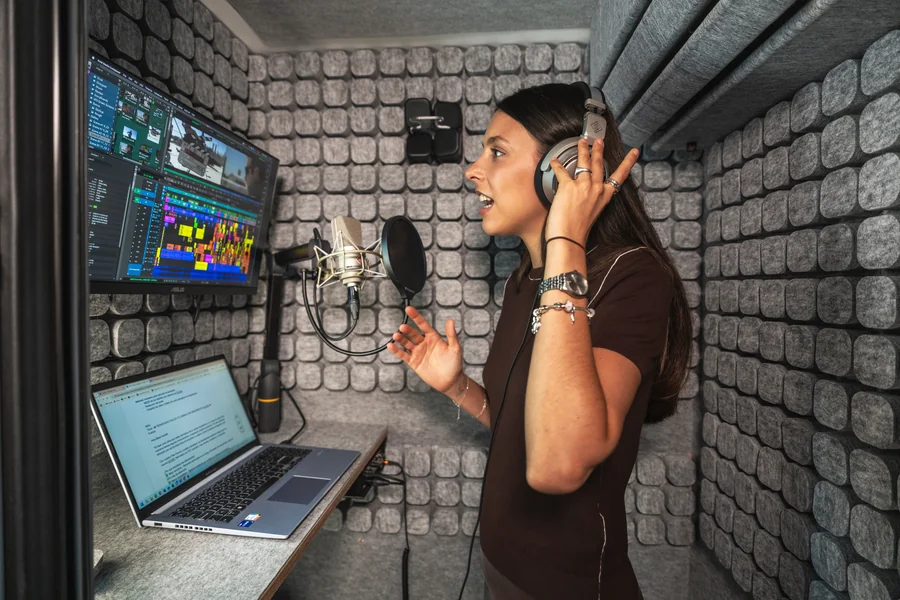
Every creator remembers the moment their recordings stopped sounding like hobby projects and started sounding like real productions. For most home studio owners, that shift has nothing to do with buying a better microphone or a pricier interface. It comes down to controlling the room itself.
Sound bouncing off walls, traffic noise, and the hum of household appliances all quietly sabotage recordings before a single plugin gets applied. This is why more musicians, podcasters, and voiceover artists are turning to dedicated soundproof booths instead of patching together foam panels and blankets. One option gaining attention among home studio builders is the Studiobricks One Plus, a compact isolation booth designed to fit into apartments and studios without sacrificing acoustic performance.
Why the Room Matters More Than the Gear
A well-built booth does two things at once: it stops outside noise from getting in, and it stops the room’s echo from getting out into the recording. The result is a clean, dry signal that editors and mixers can actually work with. A booth typically improves a recording by:
- Isolating outside noise such as traffic, appliances, and neighbors.
- Absorbing reflections that cause flutter and hollowness in vocals.
- Delivering a consistent acoustic environment session after session.
What Changes When You Add a Soundproof Booth
The difference is easiest to hear in vocal work. Amateur recordings often have a telltale flutter caused by parallel walls reflecting sound back into the microphone. Professional booths are built with acoustic treatment and geometry that break up those reflections, so vocals sit forward and clear in the mix instead of fighting the room.
Podcasters notice the same benefit. Listeners may not be able to name what makes one show sound “professional” and another sound like it was recorded in a kitchen, but they can feel it, and that feeling affects whether they keep listening.
Consistency You Can Count On
A treated booth delivers the same acoustic environment every single session, regardless of the weather outside, whether the neighbors are renovating, or what time of day the recording happens. That consistency matters enormously for anyone releasing content on a schedule.
Editors spend less time fighting inconsistent room tone between takes, and mixers spend less time trying to “fix it in post,” which is rarely as effective as getting it right at the source.
The Cost Question
Cost is usually the first objection people raise, and it is a fair one. Building a fully treated room from scratch involves construction, materials, and time that most home creators simply do not have.
Prefabricated booths solve this by delivering studio-grade isolation as a self-contained unit that can be assembled indoors without renovation. For someone renting an apartment or working out of a spare bedroom, that is often the only realistic path to professional sound quality.
Final Thoughts
The leap from amateur to professional is rarely about talent alone. It is about removing the variables that make good work sound rough. A dedicated recording booth removes one of the biggest variables in the entire chain: the room.
Once that variable is under control, everything recorded afterward, from a whispered podcast intro to a full vocal take, has a fighting chance of sounding as polished as the effort that went into making it.