How Technology Supports Safer Humanitarian Mine Clearance
 Johnathan Parker |
August 20, 2026 |
11:21 am
Johnathan Parker |
August 20, 2026 |
11:21 am
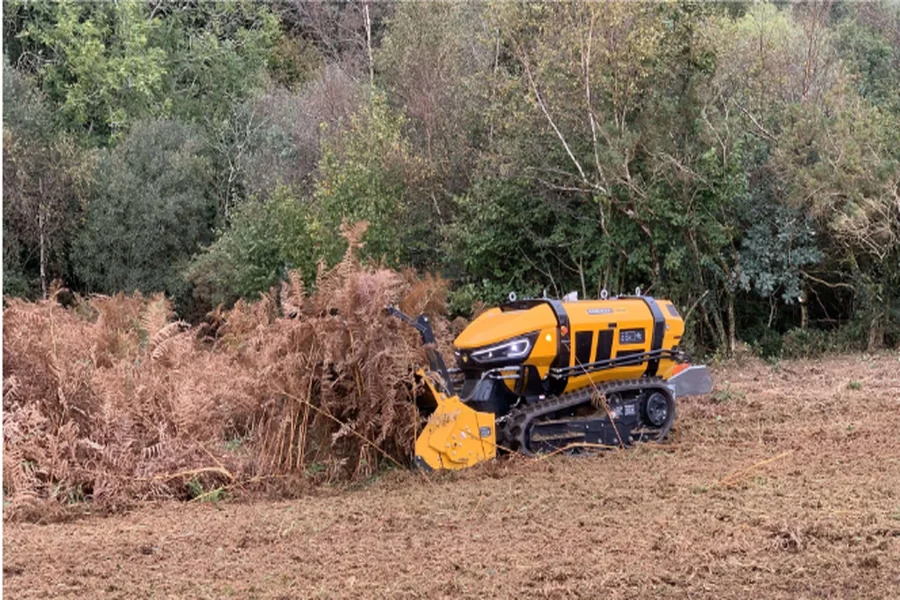
Landmines and unexploded ordnance can remain dangerous long after a conflict has ended. Contaminated land may prevent communities from safely accessing homes, farmland, roads, schools, and other essential infrastructure.
Clearing these areas is therefore not simply a military concern. Humanitarian mine action can play an important role in helping communities safely return to and use affected land.
The work requires trained personnel, careful planning, specialist equipment, and strict procedures. Technology is particularly important because it can help professional teams locate potential hazards and assess areas more systematically.
Why Mine Clearance Matters
The effects of landmine contamination can continue for years or even decades.
Communities may avoid productive agricultural land because they cannot be certain it is safe. Roads and pathways may become difficult to use, while construction and infrastructure projects can also be affected.
Clearing contaminated areas can therefore contribute to broader recovery.
However, mine clearance is highly specialized work. Suspected hazardous areas should only be assessed and cleared by appropriately trained and authorized professionals.
Understanding Mine Detection
One of the fundamental challenges in mine clearance is determining where potentially hazardous objects are located.
This is where detection technology becomes important.
Professional teams may use specialized equipment as part of a broader process for surveying and assessing suspected areas.
The appropriate technology depends on factors including the environment, terrain, contamination, operational requirements, and types of hazards expected.
No single piece of equipment replaces professional training or established clearance procedures.
Specialist Equipment Supports Professional Teams
Mine-clearance organizations may require different equipment depending on the environment in which they operate.
Professional mine detection equipment can form part of this broader toolkit, alongside appropriate protective equipment and other specialized resources used by trained personnel.
Total Secure Defence lists mine detectors, mine prodders, protective visors, and protective aprons among the equipment available through its mine detection and demining offering. The company also states that training and support are available alongside its equipment.
Equipment selection should always reflect the requirements and procedures of the authorized organization conducting the work.
Detection Is Only One Part of Mine Action
Finding potential hazards is an important component of clearance, but humanitarian mine action involves considerably more than detection alone.
Organizations may first need to understand the history and suspected extent of contamination.
Information from communities, historical records, previous incidents, and professional surveys can help specialists understand where hazards may exist.
Areas then need to be assessed according to appropriate procedures before land can ultimately be considered safe for its intended use.
This systematic approach helps organizations focus resources where they are most needed.
Terrain Can Create Additional Challenges
Environmental conditions can significantly influence mine-clearance operations.
Vegetation, soil conditions, weather, terrain, and accessibility can all affect how teams approach a particular area.
An open field presents different challenges from dense vegetation or difficult terrain.
For this reason, equipment and procedures need to be selected according to the operational environment rather than assuming the same approach will work everywhere.
Professional planning is essential before clearance activities begin.
Protective Equipment Is Important
Detection equipment is only one category of equipment associated with professional demining.
Personal protective equipment can also form part of the safety measures used by trained teams.
Total Secure Defence’s mine-detection range, for example, includes protective visors and aprons alongside detection equipment.
The appropriate protective measures depend on applicable professional standards, organizational procedures, risk assessments, and the work being performed.
Protective equipment should not be viewed as a substitute for training or safe operating procedures.
Training Remains Essential
Technology can assist trained professionals, but equipment cannot replace expertise.
Personnel need to understand the equipment they are authorized to use, its limitations, and the procedures established by their organization.
Training is particularly important because mine-clearance environments can vary substantially.
Professional organizations may therefore evaluate training and support alongside technical specifications when procuring equipment.
Total Secure Defence states that it provides training and support for the effective and safe use of its demining equipment.
Equipment Reliability Matters
Mine-clearance teams may work in demanding environments, making reliability an important procurement consideration.
Organizations should evaluate whether equipment is appropriate for their intended operating conditions.
Maintenance requirements, technical documentation, support, testing, and replacement components may also need consideration.
The initial purchase price therefore represents only one part of the procurement decision.
Lifecycle requirements can be important when equipment is expected to remain operational for an extended period.
Technology Continues to Develop
Detection technology continues to evolve as manufacturers and specialist organizations seek ways to improve safety and effectiveness.
Different technologies may be used to identify or investigate potential hazards depending on the operational context.
However, new technology should not automatically be considered superior simply because it is more advanced.
Organizations need equipment that performs reliably within their particular environment and can be appropriately incorporated into established professional procedures.
Supporting Humanitarian Recovery
The ultimate purpose of humanitarian mine clearance extends beyond locating hazardous objects.
Successfully releasing land can allow communities to use areas that were previously considered unsafe.
Agricultural land can potentially return to productive use. Infrastructure projects can proceed more safely. Communities may regain access to roads and other important areas.
Mine action can therefore contribute to recovery and development long after the immediate conflict has ended.
Procurement Requires Careful Evaluation
Organizations acquiring specialist equipment should establish their requirements before approaching suppliers.
Considerations may include operational environment, compatibility, training, maintenance, documentation, support, applicable standards, and regulatory requirements.
The company behind the equipment should also be researched.
Total Secure Defence states that its broader defence and security business supplies solutions to armed forces, law-enforcement agencies, governments, and private contractors internationally.
For specialist procurement, organizations should independently verify that equipment, suppliers, and proposed transactions meet their particular technical, legal, and operational requirements.
Regulations Must Be Considered
Defence and security equipment can be subject to national and international controls.
Depending on the products and jurisdictions involved, import, export, transfer, end-user, or other requirements may apply.
Organizations should establish these requirements before attempting a transaction.
Appropriate legal, procurement, and compliance specialists should be involved where necessary.
Final Thoughts
Technology plays an important supporting role in professional mine clearance, but effective humanitarian mine action depends on much more than equipment.
Trained personnel, careful surveying, appropriate protective measures, reliable equipment, established procedures, and effective quality management all contribute to safer operations.
The objective is ultimately to help contaminated areas return to safe and productive use.
For communities affected by the long-term consequences of conflict, successful mine clearance can mean restored access to land, infrastructure, livelihoods, and essential services.
Frequently Asked Questions
What is mine detection equipment?
Mine detection equipment refers to specialist technology used by trained and authorized personnel as part of professional efforts to locate potential landmine hazards.
Who should use mine detection equipment?
Mine detection and demining should be undertaken by appropriately trained, equipped, and authorized professionals working according to applicable procedures and standards.
Does mine clearance only involve detecting landmines?
No. Professional mine action can involve surveying, assessment, clearance, documentation, quality management, community engagement, and other activities in addition to detection.
Why is protective equipment important in demining?
Appropriate protective equipment can form one part of the safety measures used by professional demining personnel. The equipment required depends on the operation, organizational procedures, and applicable standards.
Does Total Secure Defence provide demining equipment?
Yes. Its mine detection and demining page lists mine detectors, prodders, protective visors, and aprons. It also describes training and support as part of its offering.
Why is training necessary?
Specialist technology has limitations and needs to be used within established professional procedures. Appropriate training helps personnel understand equipment and its role within the wider mine-clearance process.