How Infrastructure Teams Can Build More Resilient Projects
 Johnathan Parker |
October 13, 2026 |
10:33 pm
Johnathan Parker |
October 13, 2026 |
10:33 pm
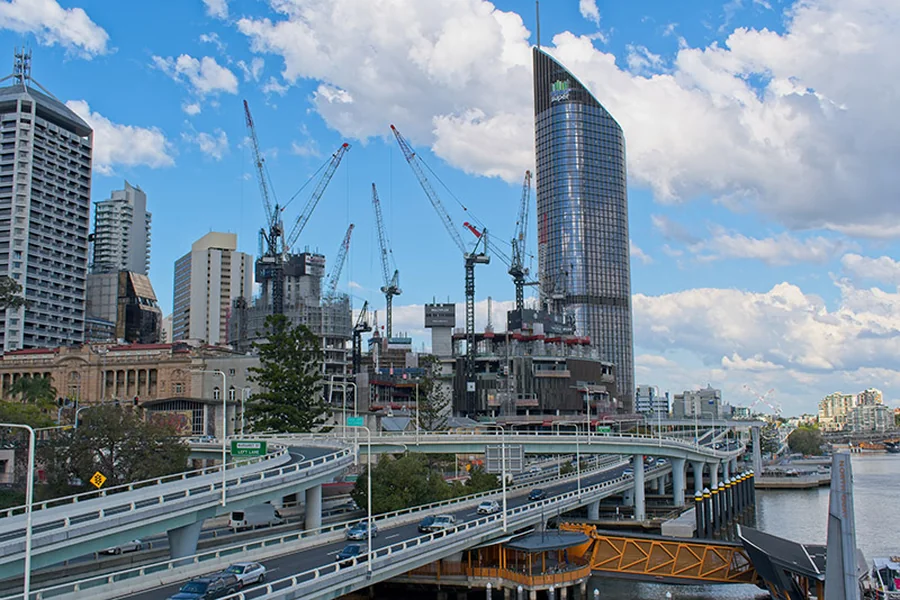
Infrastructure projects rarely move in a straight line. Weather, site conditions, permits, material availability, funding decisions, and public concerns can all change the work. Companies such as Tutor Perini operate in an environment where disciplined planning and clear coordination are essential to delivering complex work under pressure.
Project resilience is the ability to anticipate disruptions, respond without compromising safety or quality, and recover with a workable plan. It is not about predicting every possible problem. It is about giving teams the information, authority, and practical options they need when conditions change.
Why Project Resilience Matters
A resilient project can continue making sound decisions when the original plan needs adjustment. This matters for roads, transit systems, water facilities, public buildings, and other assets that may serve communities for decades. Early preparation helps teams manage common pressures, including labor constraints, price movement, utility conflicts, permit reviews, extreme conditions, and changing stakeholder expectations.
Resilience should begin before construction because late changes are usually harder to evaluate and coordinate. A team that establishes decision paths, contingencies, and communication routines during planning is better positioned to protect scope, schedule, budget, safety, and long-term performance.
Start With Early Risk Planning
Risk planning turns vague concerns into assigned work. During early development, create a risk register that identifies technical, financial, environmental, permitting, safety, and community risks. Rank each item by likelihood, potential cost, and possible impact on the schedule, then assign a person or team to monitor it.
Make Reviews Routine
Update the register after meaningful design revisions, funding decisions, site discoveries, or permit changes. Scenario planning is also useful. Consider the expected, favorable, and difficult outcomes, then identify the actions that would keep the project moving in each case.
Photorealistic macro close-up of a construction project risk register on a desk, showing a gloved hand marking a detailed site plan with a red pen beside textured blueprints and small colored tabs, shallow depth of field, soft background blur, realistic natural lighting.
For example, a road project may identify potential utility conflicts during survey record review and early field verification. Resolving ownership, relocation requirements, and access needs before mobilization can prevent crews from arriving at a work zone without a clear path to proceed.
Account for Climate and Site Risks
Site conditions influence design, construction methods, worker safety, and future maintenance. Teams should evaluate flooding and stormwater, heat, wildfire smoke, freeze-thaw exposure, coastal conditions, soil movement, drainage patterns, and slope stability based on the project location and asset type. The U.S. Department of Transportation’s guidance on building resilient infrastructure highlights the value of considering climate impacts in transportation planning and investment decisions.
These risks should inform geotechnical studies, drainage capacity, material selection, emergency access, work sequencing, and maintenance assumptions. In hot conditions, teams also need a practical safety plan. OSHA advises employers to use controls and work practices that reduce heat exposure, including scheduling work for cooler periods where feasible, providing rest and fluids, and preparing for medical emergencies.
Design for Conditions, Not Assumptions
Resilience is not achieved by adding a generic contingency at the end of a budget. It comes from matching the design and construction approach to credible local conditions. A drainage system, pavement section, retaining feature, or access route should be evaluated for the stresses it is likely to face throughout its service life.
Build Stronger Project Teams
People make resilience operational. Bring owners, designers, builders, operators, inspectors, utility representatives, and local agencies into early coordination discussions when their decisions affect project delivery. Establish who can approve changes, who communicates with outside parties, and who has authority to make urgent field decisions.
Short, regular coordination meetings can resolve open issues before they become claims or schedule disruptions. Field personnel also need an easy way to report safety concerns, constructability issues, quality observations, and changing site conditions. Training should cover job-specific safety procedures, quality expectations, emergency response, and the proper escalation path for problems.
A simple responsibility chart can prevent confusion when a design revision affects both cost and schedule. The chart might identify the designer as responsible for technical clarification, the contractor as responsible for estimating and sequencing impacts, the owner as the approval authority, and the project manager as accountable for documenting the final decision.
Use Technology and Better Data
Digital tools can help teams identify issues sooner and keep information accessible. Building information modeling can support design coordination. Drone surveys can document progress and site conditions. Mobile reporting can capture field observations, while cloud-based document control helps teams work from current drawings, submittals, and change records.
Dashboards can also bring cost, schedule, safety, quality, and procurement information into one view. Equipment sensors may support maintenance planning by identifying operating conditions that require attention. However, technology is only useful when teams maintain clean data, follow consistent processes, and understand who must act on the information.
Prepare for Materials and Supply Chain Delays
Procurement resilience starts during design. Identify long-lead equipment and materials early, confirm supplier capacity before finalizing key schedule dates, and track milestones for fabrication, shipping, testing, and inspection. Where contract requirements allow, evaluate qualified alternatives before a disruption forces a rushed decision.
Consider a project that needs specialized electrical equipment. The team can reduce risk by confirming production lead times, defining submittal deadlines, planning inspections, and identifying whether an approved equivalent could meet performance requirements. Critical materials should also be protected from weather, theft, and site damage after delivery.
Keep Communities and Stakeholders Involved
Clear communication supports project resilience because unexpected disruptions are easier to manage when affected people know what is happening and where to find reliable information. Explain lane closures, detours, noise, dust, access limits, and schedule changes in plain language. Provide a single channel for questions and complaints, and track recurring concerns.
Coordination with schools, businesses, emergency services, transit users, and nearby residents can improve work planning. For instance, providing early notice of an overnight lane closure gives local businesses time to adjust deliveries, staffing, and customer communications rather than reacting after work begins.
A Practical Resilience Checklist
1.List the largest technical, financial, environmental, safety, and community risks.
2. Assign each major risk to a responsible person or team.
3. Include realistic time for permits, inspections, testing, weather, and approvals.
4. Identify backup suppliers or approved alternative materials where appropriate.
5. Give field teams a quick, documented way to report problems.
6. Track design changes in a shared system with clear approval records.
7. Plan for worker safety during extreme heat, storms, smoke, and other hazards.
8. Provide timely updates to public agencies and affected communities.
9. Budget for future maintenance, repair, and asset management needs.
1o Review lessons learned before starting the next project phase.
Final Thoughts
Resilient infrastructure is built through repeated, practical decisions. Early risk reviews, capable teams, reliable data, flexible procurement, and honest communication make it easier to respond when plans change. The strongest infrastructure teams will not assume disruption can be eliminated. They will build project systems that help people recognize issues early, make informed decisions, and keep essential work moving responsibly.