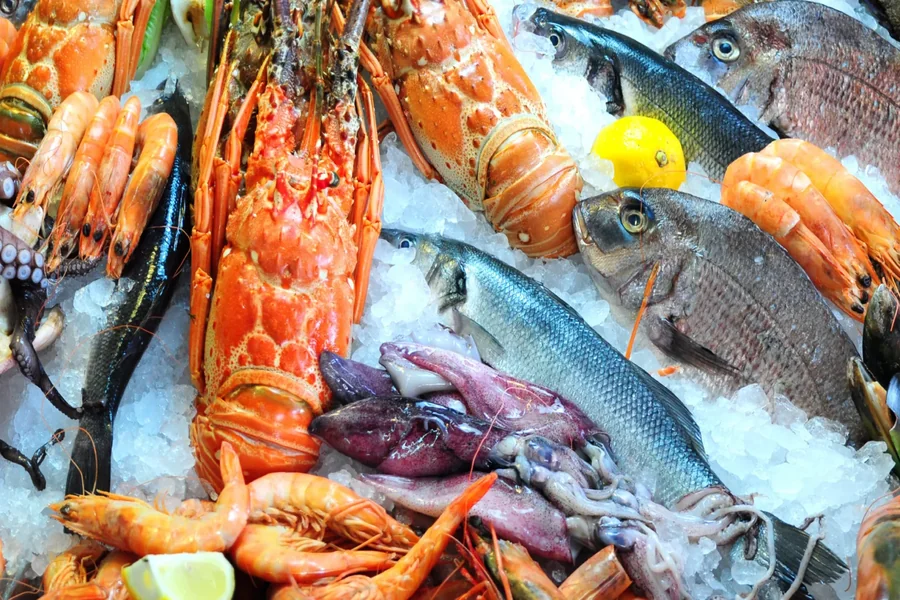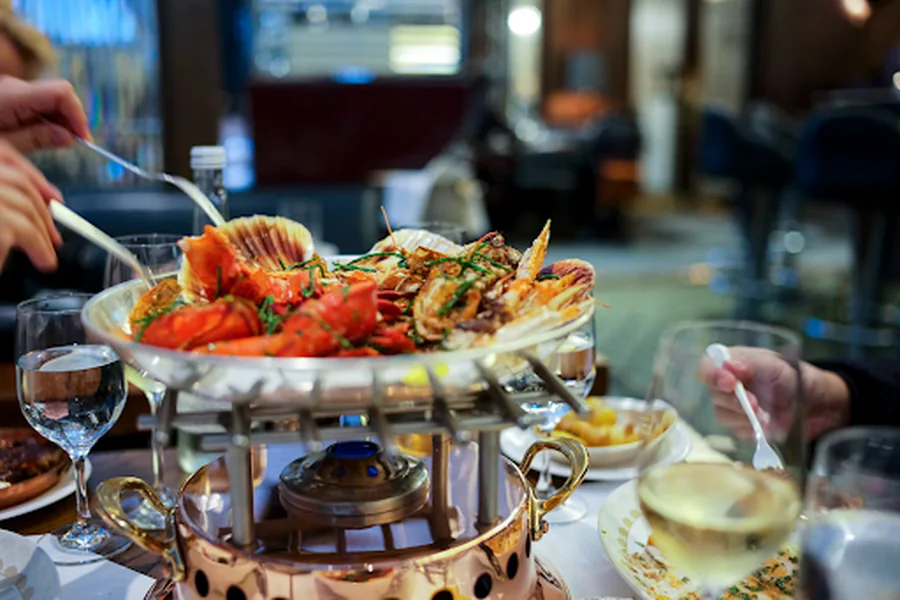
An upscale dinner at home works best when the menu feels special and the host still has time to enjoy it. That takes careful choices about ingredients, portions and preparation. Instead of filling the table with complicated dishes, focus on one premium centerpiece, a few dependable sides and a service plan that keeps last-minute work under control. The result can feel polished without requiring restaurant equipment or an exhausting day in the kitchen.
Plan Menus Around Premium Staples
Start with the ingredient you want guests to remember, then build the rest of the meal around its flavor and cooking time. Seafood, a high-quality cut of meat or a seasonal vegetarian centerpiece can all establish the menu’s direction.
Keep supporting dishes simple enough that they don’t compete for attention. Lobster tails, for example, pair naturally with roasted asparagus, lemon rice and a crisp green salad. A beef tenderloin could work with mashed potatoes, glazed carrots and a bright herb sauce. For a meat-free menu, consider wild mushroom risotto with roasted squash and dressed arugula.
Limit the menu to dishes that share ingredients where practical. Fresh parsley might flavor a sauce, finish the vegetables and garnish the plates. Lemons can appear in the main course, salad dressing and sparkling water. This keeps the shopping list manageable and reduces half-used ingredients.
Good dinner party planning also means thinking beyond individual recipes and considering timing, table setup and how the meal will flow for guests. Before settling on the menu, write down the oven temperature and approximate cooking window for every hot dish. If three items need different temperatures at the same time, adjust the menu before buying groceries. One stovetop side, one oven dish and one cold course usually create a much calmer service.
Match Serving Sizes to Your Guest List
Accurate portions protect the budget and prevent an awkward shortage during dinner. Confirm the guest count several days ahead, then ask about allergies, dietary restrictions and strong dislikes. A premium ingredient loses its appeal if one guest can’t eat it and has no satisfying alternative.
Use the menu structure to decide how much food each person needs. A multi-course dinner calls for smaller servings than a meal built around one main dish. If seafood is the centerpiece, comparing lobster tail portion options can help you decide whether individual tails, shared platters or smaller surf and turf portions suit the meal best.
For a dinner with appetizers, salad, an entree and dessert, plan modest portions at each stage. If the entree is the only substantial course, increase its serving size and provide enough sides for second helpings.
General dinner party portion planning can give you a useful starting point, but your specific group still matters. Teenagers and guests arriving after an active afternoon may eat more, while a late dinner following a reception may call for less.
For eight adults, you could prepare eight individually sized main portions plus one extra portion for flexibility. Add enough vegetables and starch to serve about nine or ten people, since those dishes are easy to enjoy in larger amounts.
Avoid doubling every recipe automatically. Eight guests don’t necessarily need twice as much food as four guests, especially when you’re adding courses. Desserts are a good place to control excess. A rich chocolate tart cut into ten slim slices may serve eight people comfortably and still leave two portions for anyone who wants another taste.
Keep one easy backup in reserve, such as extra bread, a prepared salad or additional roasted vegetables. It can stay off the table unless needed, preserving the clean presentation while giving you a practical safety net.
Prep Ingredients Ahead of Time
Create a written schedule that begins with serving time and works backward. If dinner is at 7:30 p.m., decide when the main course must begin cooking, when guests will sit down and when appetizers should be ready. Add ten or fifteen minutes of breathing room around unfamiliar recipes.
Two days before dinner, shop for shelf-stable items, chill beverages and check serving dishes. The day before, make sauces, prepare dessert and wash sturdy vegetables. You can also set the table and label serving pieces with small notes so you know which bowl or platter belongs to each dish.
On the day of the dinner, measure ingredients into small containers, trim vegetables and prepare garnishes. Refrigerate perishable items promptly and keep raw ingredients separate from foods that are ready to serve. Following basic food safety practices at home helps reduce the risk of cross-contamination while you’re preparing several dishes at once.
Leave delicate work until closer to service. Cut soft herbs shortly before using them, dress salad at the last minute and cook lobster tails or other temperature-sensitive entrees at the appropriate point in the schedule.
Try a full kitchen reset about an hour before guests arrive. Load the dishwasher, empty the sink and place frequently used tools within reach.
Prepare a simple arrival setup away from the main cooking area. A pitcher of cold water, glasses and a small appetizer give guests something to enjoy without crowding the kitchen. You can then finish the hot food while still participating in the conversation. Keep music at a level that allows people across the table to hear each other, and turn on dining-area lighting before the doorbell rings.
Balance the Budget Without Cutting Quality
Spend most of the food budget on the centerpiece and save on ingredients where simplicity improves the meal. In-season produce, homemade salad dressing, fresh bread and potatoes can support a premium entree without making the table feel economical. Their familiar flavors also give guests a comfortable counterpoint to a richer main course.
Set a per-person target before shopping. For an eight-person dinner, divide the total budget among the entree, sides, appetizers, dessert and nonalcoholic drinks. Give the main course the largest share, then look for small savings across the remaining categories.
When choosing desserts for a dinner party, consider the formality of the meal, the number of guests and how easily each option can be served. A few well-chosen sweets or one dessert prepared in advance can feel more polished than an oversized selection.
A homemade fruit crisp may cost far less than eight individual bakery desserts while still looking inviting in a ceramic serving dish. Presentation offers another low-cost upgrade. Warm dinner plates when appropriate, serve vegetables on one generous platter and use a clean spoon for each dish.
Cloth napkins, water in a glass carafe and a few unscented candles can make an ordinary dining room feel more considered. Skip large centerpieces that block sightlines or compete with the food.
Review what you already own before purchasing specialty equipment. A rimmed sheet pan can roast vegetables and catch drips, while a large cutting board can double as a casual serving surface. Borrow extra chairs or matching plates if needed. Guests care more about comfort and good pacing than identical tableware.
Finish the evening with a course that requires almost no work. Serve a dessert prepared earlier, clear only the most distracting dishes and bring coffee or tea to the table. When the main ingredient has been chosen carefully and the cooking schedule leaves room to sit down, the dinner feels generous for guests and manageable for you.