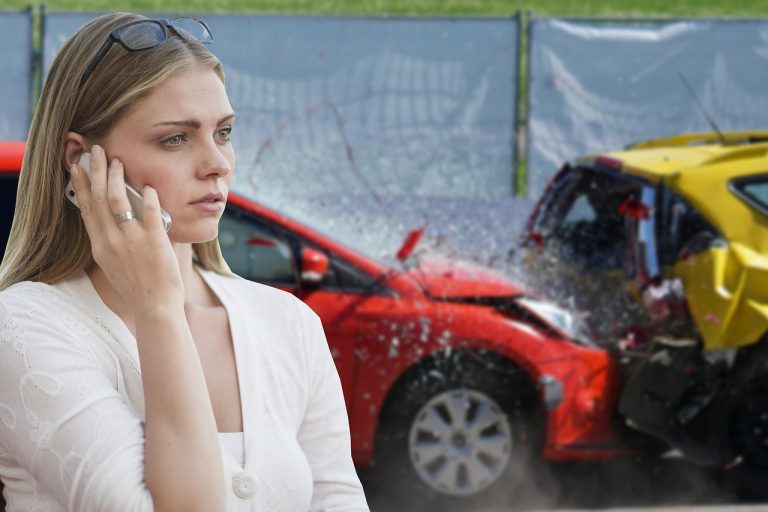
Why Rear-End Crashes in Traffic Jams Often Become Chain Reactions
 Johnathan Parker |
September 16, 2025 |
7:36 pm
Johnathan Parker |
September 16, 2025 |
7:36 pm

Rear-end bumps in gridlock rarely stay “minor.” With cars packed tight and eyes bouncing between brake lights and navigation, one sudden stop can ripple through a whole lane of traffic. The result is a stack of dents, injuries, and finger-pointing. If you are sorting out what happened and who is truly at fault, a seasoned SSD Law Firm can help turn a messy scene into a clear claim.
How One Tap Becomes Ten
Picture this: Car A taps the brakes, Car B is a little too close, Car C is glancing at an exit sign. By the time B hits A, C is already out of the room, and D is reacting to C’s brake lights, not the original hazard. That staggered, split-second delay is how a single mistake multiplies into a chain of impacts.
Momentum Meets No Space
Even at low speeds, two tons of moving metal carry real energy. In tight traffic, the usual safety buffer disappears, so there is nowhere for that energy to go except into the next bumper. Each impact sends a jolt forward, and the next car has even less time and space to recover. Stop-and-go movement makes it worse because tiny speed changes stack up into large closing gaps.
Human Habits Add Fuel
Congestion frays patience. Drivers creep closer than they should, hover over the accelerator, and focus on the car directly ahead instead of scanning several vehicles up the line. When the first hit happens, most people slam the brakes and keep their steering straight. That instinct is normal, but it funnels more cars into the same path, which invites more contact.
Roads and Weather Raise the Stakes
Lane drops, short merge zones, and blind curves shrink reaction time. Add rain, glare, or fog, and those red brake lights are harder to pick up. On wet pavement, tires need more distance to stop, so the first small bump becomes a bigger one for the cars behind. Work zones, uneven surfaces, and faded striping can also nudge drivers into late decisions that trigger the first impact.
The Aftermath: Fault, Proof, and Payment
Multi-car crashes rarely have a single cause or a single responsible driver. Adjusters and attorneys look at things like dashcam footage, photos of crush patterns, event data recorder downloads, and where each car came to rest. Small details matter, such as whether a hazard light was used, which lane markings were visible, and how far debris traveled. A knowledgeable SSD Law Firm can coordinate reconstruction, interview witnesses while memories are fresh, and make sure the right parties share the right amount of fault.
Why These Crashes Snarl a Whole City
A chain reaction does not just bend metal. It shuts down lanes, stalls deliveries, delays ambulances, and ripples through commute patterns for hours. Tow access, fuel spills, and damaged barriers add more time. The broader disruption is one reason agencies scrutinize these crashes so closely.
What Actually Helps Prevent the Pileup
- Leave a real buffer. In slow traffic, keep a visible gap so you can brake smoothly instead of abruptly.
- Scan three to four cars ahead. React to the wave, not just the bumper in front of you.
- Communicate early. Tap brakes lightly when you see trouble forming so drivers behind you get a head start.
- Use modern safety tech. Forward collision warning and automatic emergency braking catch what you might miss.
- Mind the lane. Avoid stopping directly behind another car’s bumper. If safe and legal, leave a slight offset so a light nudge is less likely to push you straight ahead.
Conclusion
In crowded traffic, tiny mistakes grow fast. Close spacing, delayed reactions, tricky road design, and lousy weather turn a single rear-end hit into a row of damaged cars. Understanding that chain—and documenting it well—is the key to a fair result after the fact.