Why Deer Get Used to Repellents Over Time — And What Works
 Johnathan Parker |
April 18, 2025 |
2:43 pm
Johnathan Parker |
April 18, 2025 |
2:43 pm
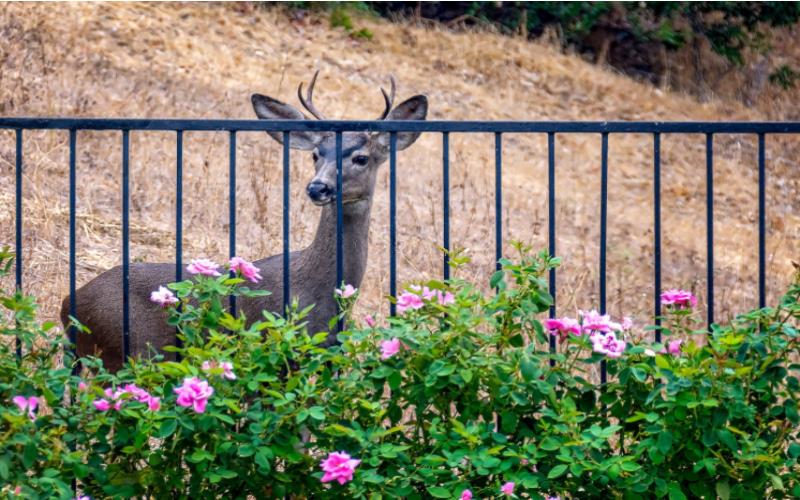
When it comes to preserving our gardens from the relentless appetite of deer, many of us have turned to various repellents in hopes of keeping these graceful creatures at bay. However, we often find ourselves scratching our heads, wondering why the same methods that once proved effective seem to lose their potency over time. This phenomenon raises an important question: why do deer get used to repellents over time? Understanding the underlying reasons can significantly enhance our approach to deer management, ensuring that our gardens remain flourishing and unscathed.
The Curious Nature of Deer
Deer are inherently curious creatures, and this curiosity plays a pivotal role in their interactions with their environment, including the repellents we use. Initially, when a deer encounters a new scent or barrier—be it a fishing line strung around our gardens or the fragrance of Irish Spring soap—it triggers an instinctive response to avoid the area. However, as time goes on and the deer become more familiar with these deterrents, their initial wariness begins to wane. They learn and adapt, which is a natural survival mechanism.
For instance, while a fishing line may initially confuse a deer, they will soon learn to navigate around it. As they repeatedly encounter the line without any significant repercussions, their caution diminishes. This learning process is not unique to deer; it is a common trait among many animals. In essence, what starts as a potent deterrent can quickly become a mere inconvenience, leading us to question the reliability of such methods.
The Role of Scent and Familiarity
Similarly, with scent-based repellents like Irish Spring soap, the initial olfactory shock may repel deer, but over time, they become desensitised to the scent. The deer’s ability to adapt to their surroundings is remarkable, and this adaptability extends to their sense of smell. Research indicates that deer possess a keen sense of smell, which allows them to detect changes in their environment. However, just as we humans can become accustomed to certain smells, deer can also grow used to those that are intended to deter them.
When we sprinkle soap around our gardens, it may initially create an unfamiliar scent that deer find off-putting. Yet, with repeated exposure, they begin to associate the area with the smell without perceiving it as a threat. Eventually, this leads to a scenario where the garden no longer triggers their avoidance instinct, resulting in an increased likelihood of deer browsing on our plants. Therefore, understanding the limits of scent-based repellents is crucial in our ongoing efforts to safeguard our gardens.
Psychological Deterrents vs. Physical Barriers
As we delve deeper into the mechanics of deer behaviour and their interactions with repellents, it becomes evident that many common deterrent methods are fundamentally psychological. These techniques rely on the deer’s initial reaction to unfamiliar stimuli, whether it be a scent, sound, or sight. However, as we have established, deer are not easily fooled for long.
The effectiveness of psychological deterrents diminishes because they do not pose any real threat to the deer. They simply create an illusion of danger. Over time, deer learn to identify these non-threatening barriers and navigate around them. This is where we must consider more robust solutions if we wish to achieve lasting results. Electric fences, for example, provide a tangible deterrent that poses a genuine risk to deer, effectively discouraging them from approaching.
What Works in Long-Term Deer Management
So, what works in keeping deer out of our gardens? While psychological deterrents have their place, we must also explore more effective and sustainable options. Barrier deer fences, for instance, create a solid physical barrier that deer cannot easily bypass. Unlike fishing lines or soap, these fences do not rely on the deer’s perception of danger or novelty. They impose a real obstruction that requires no learning or adaptation on the part of the deer.
At Critterfence, we advocate for the use of barrier fences as a long-term solution. These fences are designed to be lightweight, low visibility, and highly effective at keeping deer out. Moreover, they require minimal maintenance, making them an appealing choice for gardeners looking to protect their plants without the constant need for renewed repellents. By investing in a proper barrier, we can ensure that our gardens remain safe from deer while eliminating the frustrations associated with temporary solutions.
Alternating Strategies for Success
It’s important to note that while some methods may lose their effectiveness over time, we can implement an alternating strategy to extend the lifespan of our deterrents. By rotating between different types of repellents—whether they are psychological in nature or more physical—we can keep deer on their toes and maintain a higher level of protection for our gardens. This approach not only helps in managing deer populations effectively but also allows us to utilise a wider range of tools in our gardening arsenal.
For example, combining barrier fences with scent-based deterrents can create a multi-layered defence system that is difficult for deer to navigate successfully. By doing so, we can harness the benefits of both psychological deterrents and physical barriers, providing a comprehensive strategy that addresses the complexities of deer behaviour.
In our quest to protect our gardens, understanding why deer get used to repellents over time is essential. While curiosity and adaptability are natural traits of these creatures, we can take proactive steps to ensure that our gardens remain safe and thriving. By prioritising effective solutions such as barrier fences while employing alternating strategies, we can enhance our chances of long-term success in deer management, allowing us to enjoy our gardens without the looming threat of deer destruction.
Ultimately, it’s about finding the right balance and utilising the most effective tools available to us. As we navigate the challenges of deer in our gardens, let us remember that knowledge is our greatest ally, empowering us to make informed decisions that will yield fruitful results.