What Are Erythrocytes? Understanding the Role of Red Blood Cells
 Johnathan Parker |
July 4, 2025 |
11:43 am
Johnathan Parker |
July 4, 2025 |
11:43 am
Erythrocytes, more commonly known as red blood cells, play an essential role in keeping your body functioning properly.
These cells are responsible for transporting oxygen from your lungs to your tissues and organs, as well as carrying carbon dioxide back to the lungs for exhalation. Without a steady supply of healthy erythrocytes, your body’s cells wouldn’t get the oxygen they need to produce energy or remove waste efficiently.
Research continues to explore how nutrition and lifestyle affect red blood cell performance. Certain nutrients, such as iron, vitamin B12, and even the C15 fatty acid, have been studied for their potential impact on erythrocyte function.
Because red blood cells are so closely tied to overall vitality, understanding what they are and how they work is key to recognizing when something might be off. Read on to learn more about erythrocytes and how they benefit you each and every day.
Erythrocytes Explained
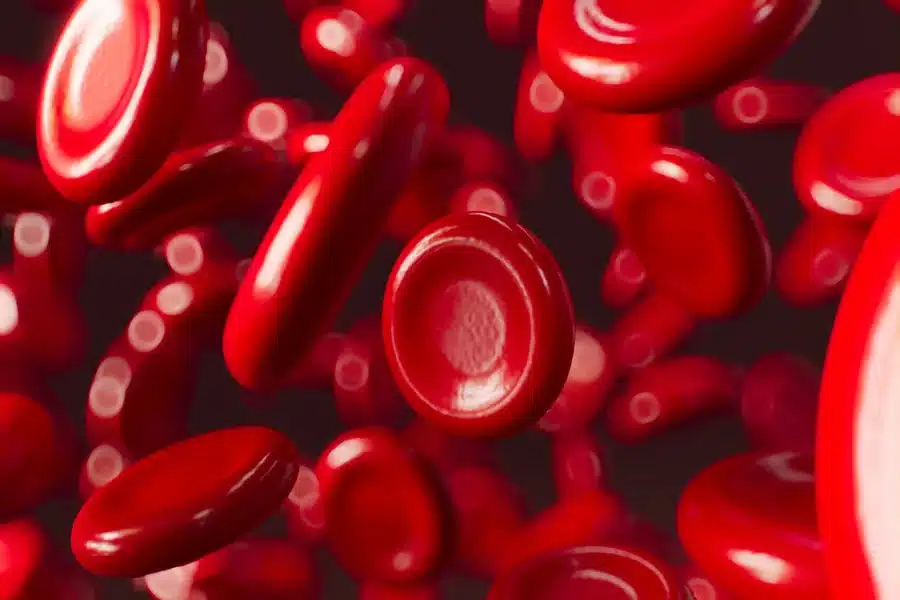
Erythrocytes are specialized blood cells that comprise nearly half of the total blood volume in the human body. The term “erythrocyte” is derived from Greek — erythros meaning red, and kytos meaning cell. These cells obtain their vivid color from hemoglobin, a protein that binds to oxygen and gives blood its red appearance.
Unlike most other cells in your body, mature erythrocytes lack a nucleus. This feature gives them a distinctive biconcave shape, allowing for greater flexibility and surface area to absorb and transport gases. Their structural design also helps them navigate the narrowest of blood vessels, ensuring oxygen delivery reaches even the smallest capillaries.
What Are the Core Functions of Erythrocytes?
The main job of erythrocytes is oxygen transportation. As blood passes through your lungs, hemoglobin inside your red blood cells binds to oxygen molecules. These oxygen-rich cells then travel through your circulatory system to reach tissues throughout your body.
Additionally, once oxygen is delivered, hemoglobin picks up carbon dioxide — a waste product of cellular activity — and returns it to the lungs for removal.
Erythrocytes also contribute to the regulation of blood pH. By buffering acids and bases in the bloodstream, they help maintain a stable internal environment, which is vital for all bodily functions. Through their combined roles in gas transport and pH balance, erythrocytes are important players in energizing your cells and keeping your systems running smoothly.
What Is the Life Cycle of Erythrocytes?
Erythrocytes have a structured life cycle that begins in the bone marrow, where they’re formed through a process called erythropoiesis. This process is regulated by erythropoietin, a hormone produced primarily by the kidneys in response to low oxygen levels in the blood. As erythrocytes mature, they gradually lose their nucleus and other internal structures to make room for hemoglobin.
Once released into the bloodstream, erythrocytes circulate for about 120 days. After this period, they become less flexible and more prone to damage. The spleen, along with the liver, are in charge of filtering out these aged or defective cells.
Components like iron are recycled, while the remaining cellular debris is broken down and removed from the body. This constant cycle ensures your blood remains rich in healthy, functional erythrocytes.
What Can Go Wrong if Erythrocytes Are Disrupted?
When something disrupts the normal number or function of red blood cells, it can lead to noticeable health issues.
Anemia, one of the most common blood disorders, occurs when the body lacks enough healthy red blood cells to carry sufficient oxygen. This can result from iron deficiency, chronic diseases, vitamin shortages, or genetic conditions. Symptoms include fatigue, weakness, and shortness of breath.
Other erythrocyte-related disorders include polycythemia, where the body produces too many red blood cells, and sickle cell disease, a genetic condition that causes red blood cells to assume an abnormal shape. These sickled cells can block blood flow and lead to pain or organ damage.
How To Support Erythrocyte Health
Maintaining healthy erythrocytes begins with good nutrition. Iron is required for hemoglobin production, while folate and vitamin B12 support red blood cell formation. These nutrients are found in foods like leafy greens, legumes, meat, and fortified cereals. In some cases, supplements may be recommended to correct deficiencies.
Hydration also plays a role, as plasma (the liquid part of blood) helps erythrocytes move efficiently throughout your circulatory system. Limiting alcohol intake and managing chronic health conditions, like kidney disease or diabetes, can further support red blood cell health.
Finally, routine blood tests and medical check-ups can help identify imbalances early on, making it easier to address problems before they become more serious.
The Main Takeaway: Small Cells, Big Impact
Erythrocytes may be microscopic, but their role in your body is anything but small. These red blood cells power your circulatory system by transporting oxygen, removing carbon dioxide, and helping maintain balance in your bloodstream.
Understanding how erythrocytes function — and what can go wrong — can offer important insight into your overall health. With the proper nutrients, hydration, and medical awareness, it’s possible to support erythrocyte performance and keep your body running at its best.