The Rise of Smart Technology in Workplace Security
 Johnathan Parker |
August 6, 2024 |
10:42 am
Johnathan Parker |
August 6, 2024 |
10:42 am
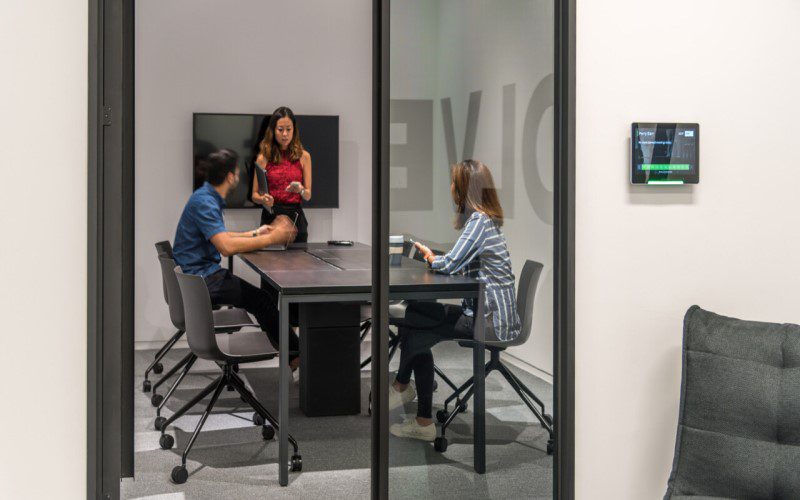
Protecting the workplace has never been more essential to business today. Technology offers various solutions that help safeguard office environments – one significant development being smart technology solutions such as electronic locks for cabinets which offer improved protection while being easy to use.
Understanding Smart Technology in Security
Smart technology refers to systems that utilize advanced digital solutions to increase security. While traditional security methods rely on physical keys or manual controls for access control systems, smart technology utilizes electronic and digital solutions for more flexible security options – like smart locks, surveillance cameras, and access control systems.
By adopting smart technology into their security infrastructures, businesses can enhance their protection from modern threats more robustly and dynamically compared to outdated practices. Smart technologies offer several distinct advantages within the workplace environment and benefit employees immensely as a result.
Benefits of Smart Technology in the Workplace
Increased Security
One of the primary advantages of smart technology lies in its ability to bolster security. Smart locks offer advanced features like remote access and real-time monitoring that protect sensitive areas in an office setting from unauthorized entry and ensure that only authorized personnel enter secure zones.
Access Control
Smart technology also excels in managing access control. By installing smart locks in various parts of your workplace, it becomes simple to control who has access to which sections. RFID cards, mobile IDs, or keypad entries allow precise control over who gains entry; decreasing security breaches by keeping individuals off unauthorized areas of access.
Convenience and Efficiency
One advantage of smart technology lies in its convenience and efficiency. Traditional security systems may require manual updates and key management, which is inconvenient and error-prone; on the other hand, smart locks can be managed remotely to update access permissions remotely and monitor security remotely from anywhere in your building or even remotely from other parts of the world.
Key Features of Electronic Lock Systems
Advanced Access Options
Modern electronic lock systems come with various access options that meet different user needs, from keyless entry systems utilizing RFID or mobile ID technology, which eliminates the need for physical keys, to mobile ID solutions that offer convenient entry through simple swipe or tap technology.
Remote Management
One of the hallmarks of smart locks is their remote management capability, making access to your office manageable from virtually any location via special software or apps. You can monitor access control remotely to respond swiftly and make adjustments as required; all without physically being present at your site.
Integration With Other Security Solutions
Smart locks can easily integrate with other security systems you already have in place; such as surveillance cameras or alarm systems. They allow businesses to establish comprehensive security networks. But before selecting one for use at their business premises, selecting an ideal smart lock must first be accomplished.
Choosing an Appropriate Solution
Assessing Your Needs
Before selecting a smart lock system for your business, you must evaluate its specific requirements. Consider aspects such as the level of security needed, facility type, and access transaction volume as you assess each of these aspects in detail. Knowing these specific details will allow you to select an option that provides both security and convenience in equal measures.
Compatibility
Before selecting your smart lock system, be certain that it fits seamlessly with your existing security setup. Doing so will facilitate easier integration and limit potential complications caused by incompatible systems; an effectively integrated security system promises improved performance and reliability.
Budget Considerations
While smart locks provide many advantages, their cost versus benefits ratio must be balanced accordingly. Once again consider your budget carefully when considering different solutions that meet security needs without overspending.
Future Trends in Workplace Security
Emerging Technologies
Smart technology continues to advance at an alarming rate. Future trends could include more sophisticated access control systems with biometric security features as well as increased integration between emerging technologies and smart tech systems.
Increased Adoption
As smart technology becomes more affordable and accessible, its adoption in workplace security should continue to rise. Organizations of all sizes are recognizing its benefits across various industries – driving wider implementation.
Conclusion
Smart technology represents an immense leap forward for workplace security and access management. By adopting solutions like electronic locks for cabinets, smart tech enhances office safety while streamlining management processes and staying ahead of threats that emerge in real time.