The Differences Between Urgent Care and Emergency Vet Care
 Johnathan Parker |
November 19, 2025 |
10:10 am
Johnathan Parker |
November 19, 2025 |
10:10 am
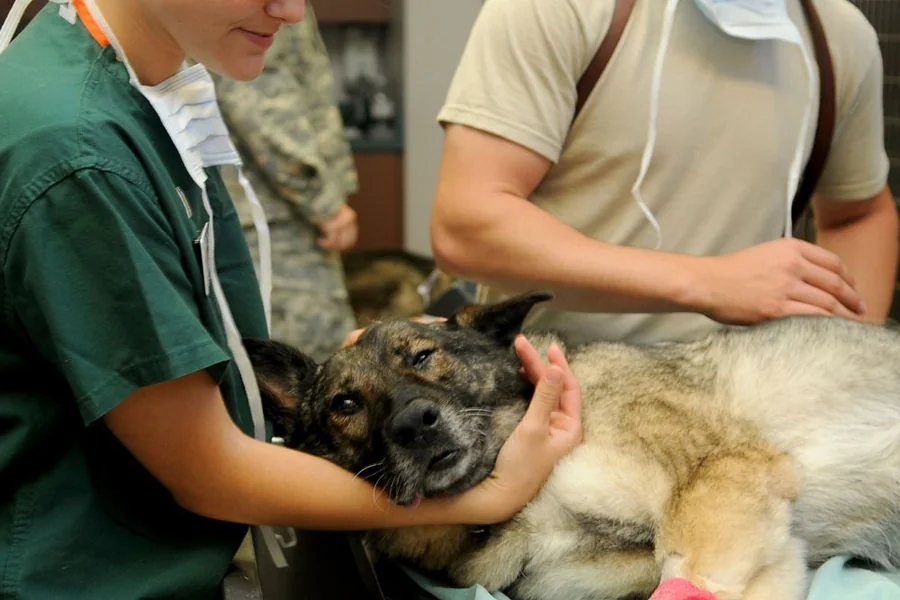
When a pet suddenly becomes sick or injured, it can be challenging to know where to go for help. Many pet owners wonder whether their situation calls for urgent care or full emergency vet care. Although both provide important medical support, they are designed for different levels of need. Understanding the difference helps you make the right choice quickly, which can make a significant impact on your pet’s health and comfort.
What Is Veterinary Urgent Care
Urgent care is designed for non-life-threatening situations that still require timely medical attention. These cases should not wait several days for a regular appointment, but they do not require the advanced equipment and around-the-clock care found in emergency hospitals.
Urgent care is ideal for issues that are uncomfortable, concerning, or worsening, but not immediately dangerous.
Common examples of urgent care needs include:
- Minor wounds or superficial cuts
- Ear infections
- Hot spots or skin irritation
- Mild vomiting or diarrhea
- Eye redness or mild discharge
- Lameness without severe pain
- Small abscesses
- Mild allergic reactions
- Urinary discomfort without complete blockage
Urgent care clinics typically operate with extended hours and offer same-day availability. They provide fast diagnostic support, basic imaging, and treatment for moderate issues. The goal is to prevent conditions from becoming more serious.
What Is Emergency Vet Care
Emergency vet care is designed for life-threatening or rapidly worsening situations. Emergency hospitals have advanced equipment, larger medical teams, and the ability to provide intensive treatments at any time of day or night. They are staffed for critical situations and are prepared to act immediately.
Emergency care is essential when a pet’s life, long-term health, or organ function is at risk.
Examples of emergency situations include:
- Difficulty breathing
- Seizures
- Continuous vomiting or diarrhea
- Uncontrolled bleeding
- Trauma from a car accident
- Suspected poisoning
- Collapse or fainting
- Inability to walk or sudden paralysis
- Severe abdominal pain or bloating
- Heatstroke
- Snake bites
- Urinary blockage
- Loss of consciousness
Emergency hospitals are open 24 hours a day because these conditions cannot wait. Pets experiencing these symptoms need immediate and advanced care.
Key Differences in Equipment and Capabilities
Urgent care clinics offer many helpful services, but emergency hospitals provide a much higher level of medical support. Understanding their capabilities helps you decide where to go.
Urgent care clinics typically provide:
- Basic imaging such as X-rays
- Treatment for moderate injuries
- Minor surgical procedures
- Wound cleaning and suturing
- Diagnostics for infections or mild illnesses
Emergency hospitals provide:
- Advanced imaging such as ultrasound or full radiology
- Emergency surgery, including after-hours operations
- Oxygen therapy
- Blood transfusions
- Continuous monitoring
- Intensive care units
- Specialized diagnostic tools
- Access to a full team of veterinarians and technicians
Emergency hospitals are equipped to stabilize pets quickly, manage complex cases, and provide care that requires constant observation.
When You Are Not Sure Where to Go
Pet emergencies can feel overwhelming, and symptoms are not always easy to interpret. If you are unsure whether a situation is urgent or life-threatening, it is always better to err on the side of caution. An emergency hospital like Five Rivers Pet Emergency Hospital can offer guidance over the phone, helping you determine whether you need to come in immediately or whether urgent care is more appropriate.
Any symptom involving breathing problems, collapse, sudden neurological changes, or severe pain should always be treated as an emergency.
Making the Right Choice Protects Your Pet
Both urgent care and emergency vet care play important roles in supporting your pet’s health. Urgent care handles problems that need prompt attention but are not immediately dangerous. Emergency care is designed for critical situations that require fast, intensive treatment.
Knowing the difference ensures your pet receives the right level of attention as quickly as possible. When in doubt, choosing emergency care is always the safest option. Your pet’s well-being depends on timely, informed decisions, and understanding these two types of veterinary care helps you take the right steps when it matters most.