Essential Transmission Care: Preventing Major Mechanical Failures on Daily Commutes
 Johnathan Parker |
August 23, 2026 |
1:35 pm
Johnathan Parker |
August 23, 2026 |
1:35 pm
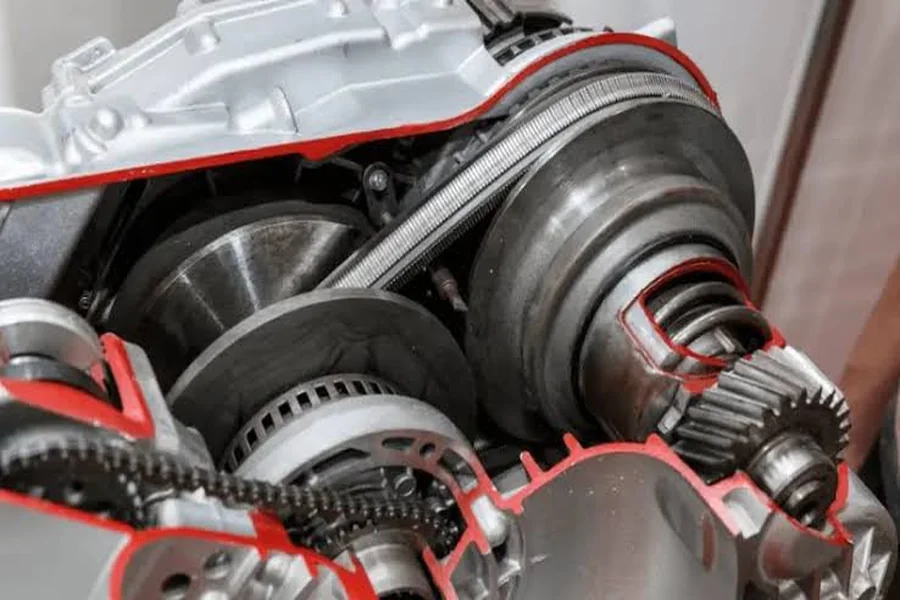
Modern daily commuting places a continuous and significant strain on your vehicle’s mechanical drivetrain. Between stop-and-go highway traffic, sudden accelerations on freeway on-ramps, towing recreational loads, and extended idling during peak summer heat, your vehicle’s transmission endures persistent internal friction and extreme operating temperatures. Despite being one of the most critical and intricate mechanical assemblies in any modern car, truck, or SUV, the transmission system is frequently overlooked by drivers until severe drivability problems arise. Understanding how transmission fluid functions, recognizing early warning signs of component wear, and sticking to a consistent preventative maintenance schedule can prevent major, unexpected mechanical failures and protect your automotive investment.
The Critical Role of Transmission Fluid in Drivetrain Health
Transmission fluid serves multiple indispensable roles within an automatic, manual, or continuously variable transmission gearbox. Beyond offering basic surface lubrication between high-speed metal gears and bearings, automatic transmission fluid (ATF) functions as a specialized hydraulic medium. It enables automated gear engagement, stabilizes internal hydraulic pressure, cools sensitive internal components, and prevents excessive friction on internal clutch packs. Over extended miles, continuous thermal cycling and oxidative breakdown degrade the vital chemical additives within the fluid, steadily diminishing its ability to resist high heat and lubricate tight mechanical tolerances.
When transmission fluid deteriorates, microscopic metallic particles, carbon deposits, and friction debris accumulate throughout the transmission fluid pan, valve body solenoids, and cooling lines. Contaminated fluid causes internal slippage, sluggish or erratic gear shifts, and accelerated mechanical wear on internal seals. Periodically inspecting transmission fluid level and coloration—ensuring the fluid remains a clean, translucent pink or bright red hue rather than a dark brown, black, or cloudy shade—is one of the most effective ways for any driver to monitor overall drivetrain condition.
Recognizing Early Warning Signs of Transmission Wear
Major gearbox breakdowns rarely happen overnight without advance warning signs. Catching subtle mechanical irregularities early can save car owners thousands of dollars compared to the substantial cost of a comprehensive rebuild or full unit replacement. Watch closely for these common warning indicators during your everyday commute:
- Slipping Gears: The engine suddenly revs higher than usual without an accompanying increase in forward vehicle speed, or the vehicle unexpectedly drops out of gear while cruising at steady speeds.
- Delayed or Rough Shifting: A noticeable lag, shudder, or harsh clunking sensation when shifting between park, drive, and reverse gears.
- Unusual Vibrations and Sounds: Persistent whining, buzzing, humming, or grinding noises audible during acceleration or gear transitions.
- Visible Fluid Leaks: Bright red, pink, or dark brownish fluid puddles gathering beneath the central underside of your vehicle chassis.
- Acrid Burning Odors: A distinct burnt-toast or pungent sweet chemical smell that signals overheating transmission fluid and inadequate heat dissipation.
Preventative Maintenance and Service Intervals
While some modern auto manufacturers market certain vehicle models with lifetime transmission fluid, real-world driving environments—especially high-humidity coastal climates, stop-and-go city traffic, and frequent heavy loads—frequently necessitate fluid changes every 30,000 to 60,000 miles. A thorough transmission inspection evaluates pan gasket integrity, cooler line connections, filter cleanliness, and fluid condition.
Whether your vehicle requires a routine fluid exchange, pan drop and filter replacement, or a computerized diagnostic scan for rough shifting patterns, scheduling professional transmission service in Tampa ensures certified technicians inspect your drivetrain using manufacturer-approved specifications, proper fluid formulations, and precise torque standards.
Practical Driving Habits That Protect Your Transmission
In addition to adhering to a regular maintenance schedule, everyday driving practices have a profound influence on drivetrain longevity:
- Come to a Complete Stop Before Shifting: Always bring your vehicle to a complete standstill before toggling between drive and reverse gears to prevent shock-loading sensitive planetary gearsets.
- Avoid Exceeding Towing Capacities: Pulling trailers or carrying payload beyond manufacturer ratings generates severe thermal buildup, which remains the single leading cause of premature transmission failure.
- Warm Up the Engine and Drivetrain: Allowing your engine and transmission fluid a brief moment to circulate during cold starts reduces hydraulic cavitation and initial frictional resistance.
Conclusion
Your vehicle’s transmission is an intricate balance of precision hydraulics and mechanics that requires proactive care. By regularly checking fluid levels, remaining vigilant to early shifting warning signs, and staying current on preventative inspections, you can ensure reliable, stress-free daily transportation for years to come.