Choosing a Local Appliance Repair Company With Confidence
 Johnathan Parker |
August 27, 2026 |
2:48 pm
Johnathan Parker |
August 27, 2026 |
2:48 pm
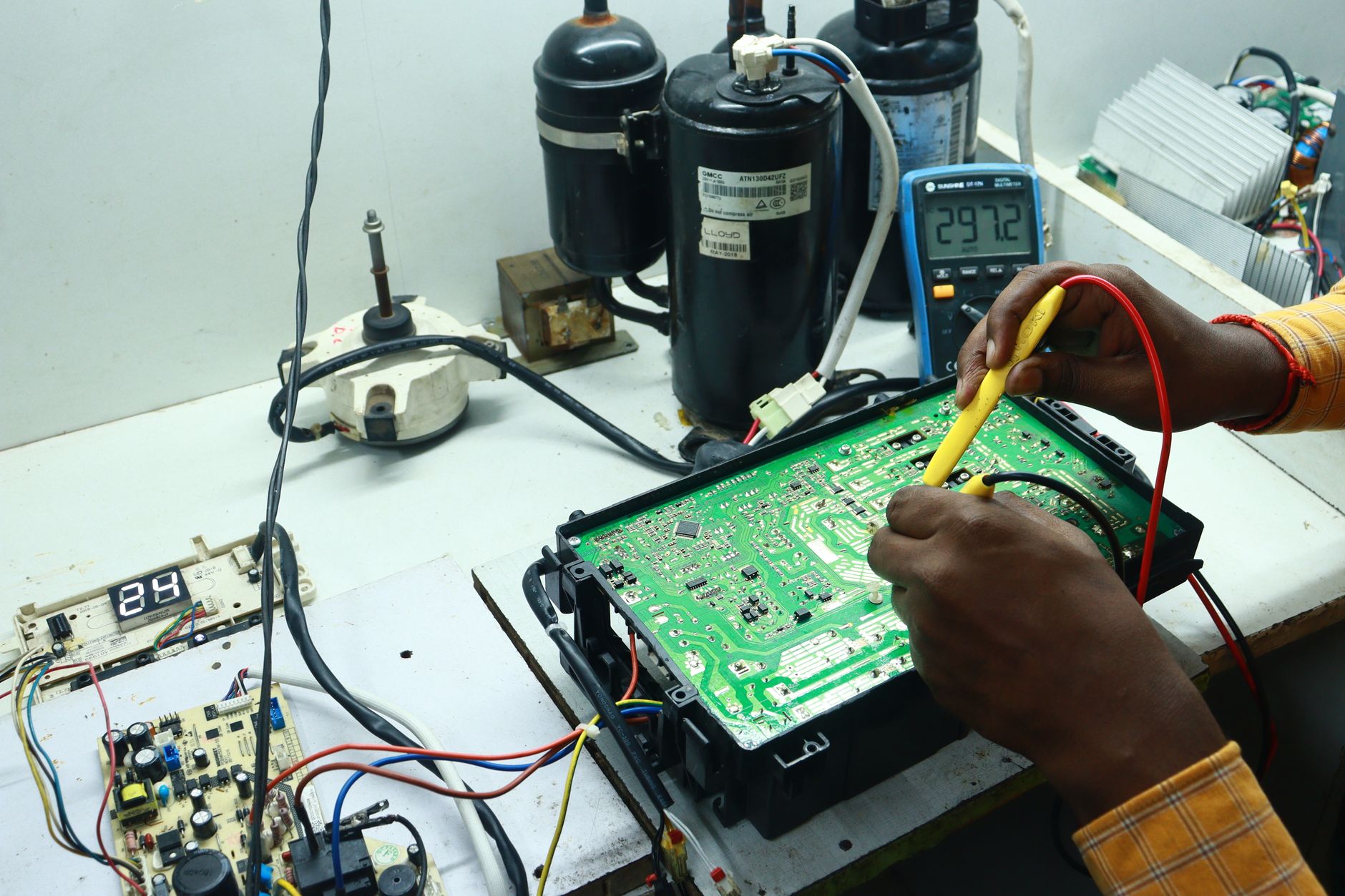
When an appliance breaks, the household often has to make several decisions at once. Is the problem urgent? Is it safe to keep using the machine? Should the family wait for a part, book a diagnostic visit, or start shopping for a replacement? These questions are easier to answer when the repair provider communicates clearly and treats the appointment as more than a quick transaction. A good appliance repair experience should leave the homeowner with a working unit when possible, but also with a better understanding of what went wrong and how to reduce repeat problems.
What Makes a Repair Provider Trustworthy
Trust starts with basic professionalism. A repair company should be easy to contact, clear about appointment timing, and willing to explain how its service call and diagnostic process work. The technician should arrive prepared to inspect the appliance, identify likely causes, explain the repair path, and provide a practical estimate before moving forward with work.
People searching for an appliance repair company in Newmarket may be dealing with anything from a leaking dishwasher to a refrigerator that suddenly stops cooling. In those moments, the company’s value is not only technical skill. It is also the ability to respond promptly, communicate options plainly, and help customers decide whether repair makes sense for the age and condition of the appliance.
Diagnosis Is the Foundation
A symptom can have more than one cause. A washer that will not spin may have a lid switch problem, drive issue, blocked drain, overloaded cycle, or electronic fault. A dryer that runs without heat may involve airflow, sensors, a heating element, or a gas ignition problem. A fridge that warms up can point to door seals, fans, thermostat controls, coils, or sealed-system concerns. Without diagnosis, homeowners can waste money on unnecessary parts or replace an appliance that could have been repaired.
A careful technician does more than name a failed component. They should explain how the component affects performance, whether the issue is isolated, and whether the appliance has other signs of wear that may influence the decision. That context helps the homeowner avoid the common trap of authorizing one repair without understanding the bigger picture.
Balancing Cost, Age, and Convenience
Replacement can be appealing because it feels decisive. But new appliances bring their own costs: purchase price, delivery, installation, disposal, time off work, and the learning curve of a new model. Repair may be the better choice when the appliance is still within a reasonable service life and the failure is limited to a fixable part. Replacement may be wiser when the unit is very old, repairs are frequent, or a major component is failing.
There is no single rule that fits every home. A higher-end range, built-in fridge, or specialty dishwasher may justify a different repair threshold than a basic older appliance. The repair company’s job is to provide enough information for the customer to weigh cost against function, not to push one answer automatically.
Why Warranties and Parts Matter
A repair is only as strong as the part installed and the workmanship behind it. Homeowners should ask whether parts and labour are covered after the visit, how long the coverage lasts, and what is excluded. Warranty language matters because it signals whether the company stands behind its work and whether the customer has recourse if the same issue returns soon after repair.
Parts quality also matters. Some appliances require brand-specific parts, while others may have reliable alternatives. A technician should explain when a part must be ordered, how availability affects the timeline, and whether continued use of the appliance is safe while waiting. Clear answers reduce uncertainty and help the household plan around the disruption.
Common Repairs Worth Addressing Promptly
Certain appliance problems should not be ignored. A refrigerator that is not cooling can create food-safety concerns. A dryer that overheats or takes too long may indicate restricted airflow. A dishwasher leak can damage flooring or cabinetry. A gas smell near a stove or dryer requires immediate caution and professional attention. Even a small washer leak can become more expensive if water reaches walls, floors, or electrical areas.
Prompt repair is not about panic. It is about preventing a manageable issue from spreading. When homeowners know which symptoms require quick action, they can protect the appliance and the surrounding home.
How Homeowners Can Prepare
Before booking service, it helps to gather the appliance brand, model number, approximate age, and a clear description of the problem. Error codes, photos, short videos, and notes about when the issue happens can make diagnosis faster. It is also useful to mention any recent changes, such as a power outage, move, installation, renovation, or unusual noise before the breakdown.
On appointment day, clearing access to the appliance helps the technician work efficiently. The homeowner should also ask practical questions before the visit ends: what caused the issue, whether maintenance could help, what signs to watch for, and how long the repair should reasonably last.
It is also worth thinking about communication after the repair. A useful company explains what was done, what part was replaced, whether anything should be monitored, and how to request help if the same symptom returns. That kind of record gives homeowners confidence and makes future service easier, especially when several appliances in the home are aging at the same time.
Conclusion
Choosing an appliance repair provider is partly about technical skill and partly about communication. Homeowners need accurate diagnosis, fair pricing, safe work, and guidance that respects the realities of a busy household. When those pieces come together, repair becomes more than a temporary fix. It becomes a practical way to extend appliance life, reduce waste, and make a confident decision before spending money on replacement.